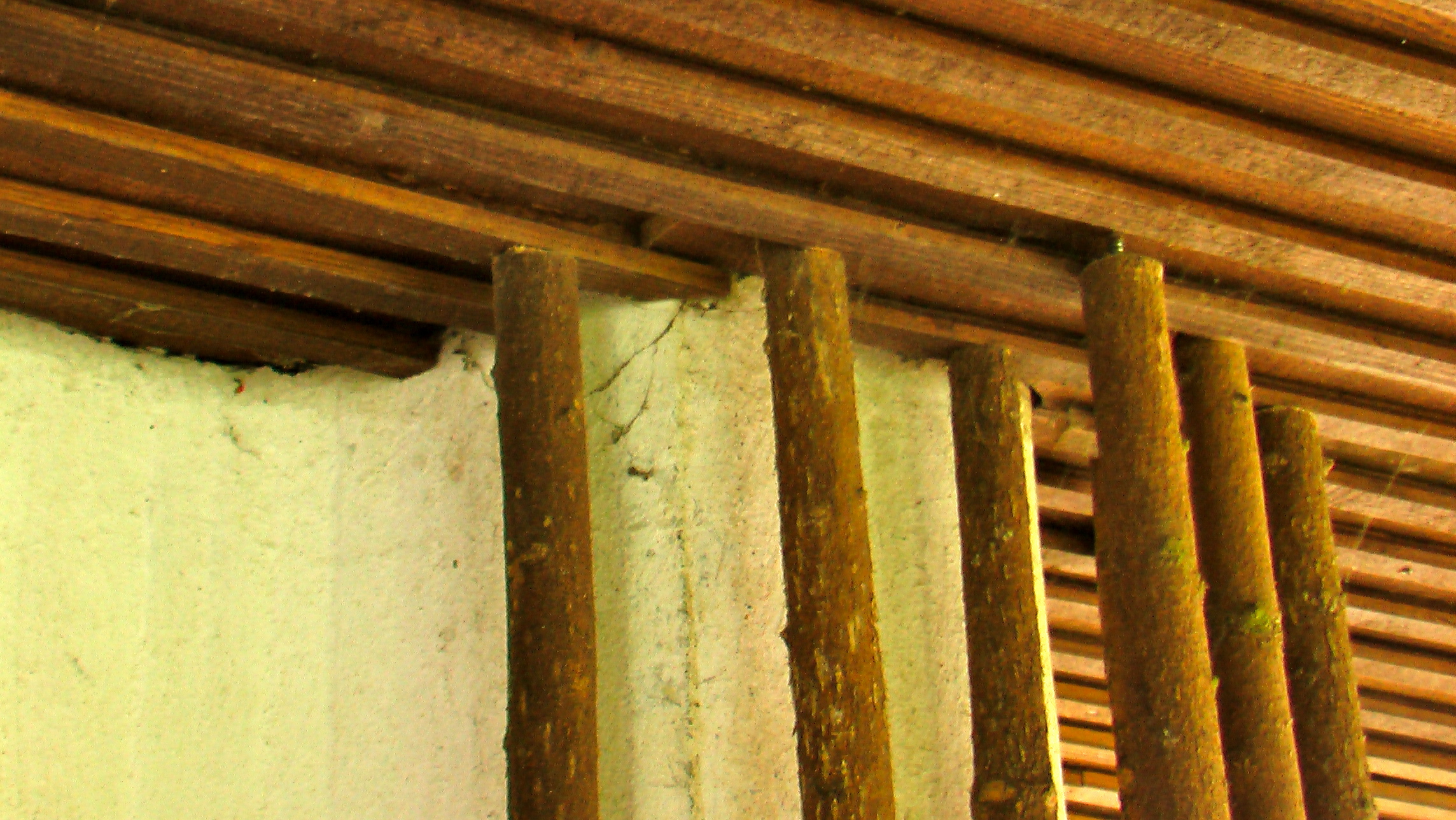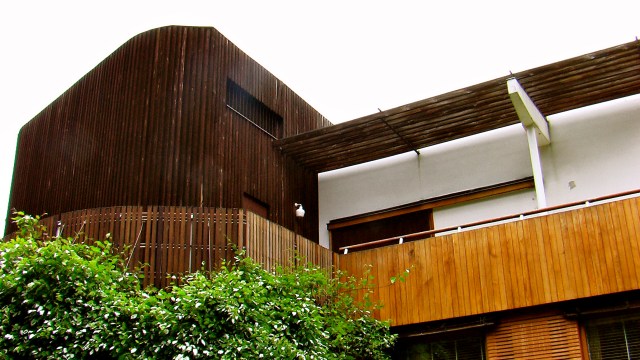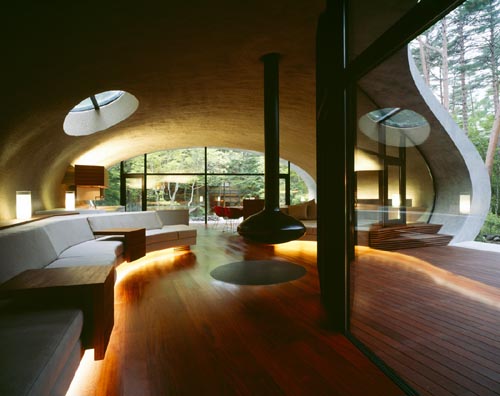
Holes open up a home to the outside world, making it seem extra enchanting. In a forested area of Japan where there’s plenty of rain, architect Kotaro Ide of ARTechnic decided to design with elliptically-shaped concrete forms rather than cladding the house with more traditional (and fragile) wood. Then he cut holes into the concrete to liberate the space.
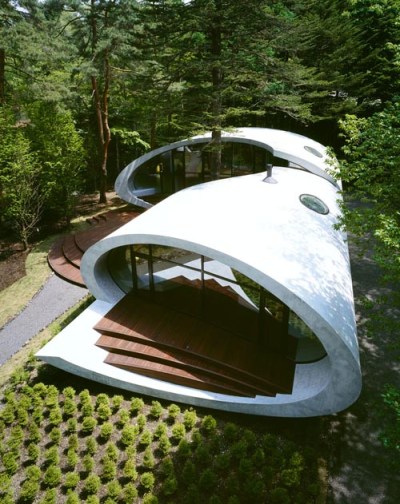
Given the organic, seamless flow of the Japanese vacation home all windows and doors had to be custom designed.  The result: a sumptuous, all-embracing environment, one that’s now been published all over the world.
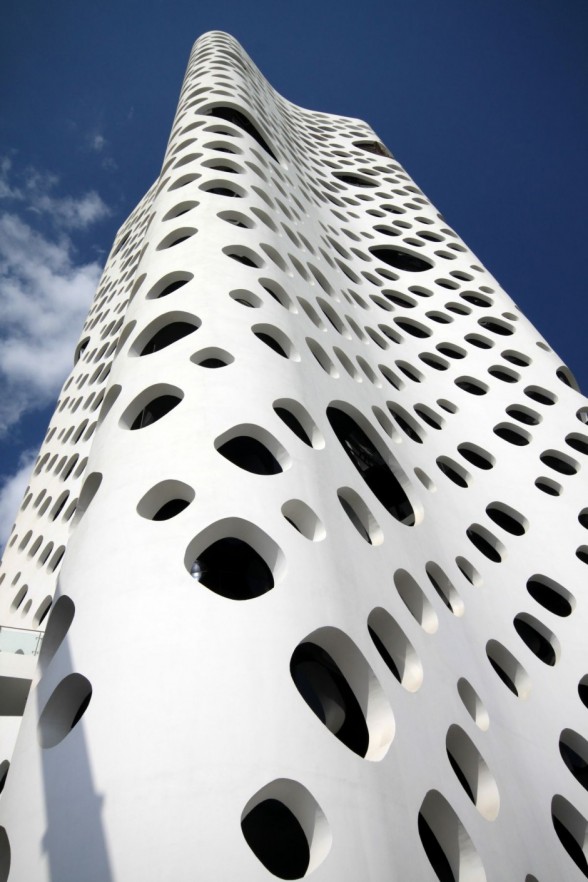
Just when you thought you couldn’t take any more concrete slab towers or steel-and-glass cliches along comes the O-14 Tower by Reiser + Umemoto Architects.  The 21-storey skyscraper rises like a latticework tower in Dubai, United Arab Emirates.  The perforated “superliquid” concrete skin measures only 15 inches thick, a remarkable achievement in high-performance, seemingly elastic concrete.  Given that most skyscrapers in North America are uninventive lookalikes, this is the kind of architectural daring worth applauding.  I’ve written about Reiser + Umemoto before.  Maybe somebody in Canada will commission them to design something intelligent and gutsy soon. S.V.P.
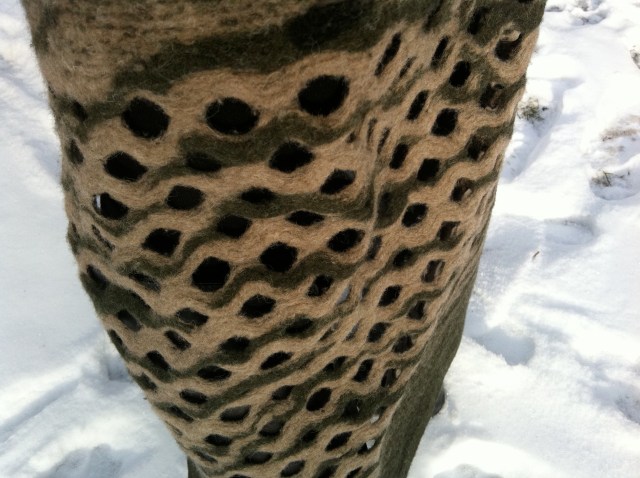
What the O-14 tower is to clothing design…Gwen Stefani’s L.A.M.B. clothing line (named for her 2004 solo album Love, Angel, Music, Baby,) has been around for six years but her latest coat design rips apart conventional thinking about covering up.  For L.A.M.B.’s long, winter coat the wave of olive colour is heightened by hundreds of peek holes in the lower half.  It makes walking on the snow extra flirty.
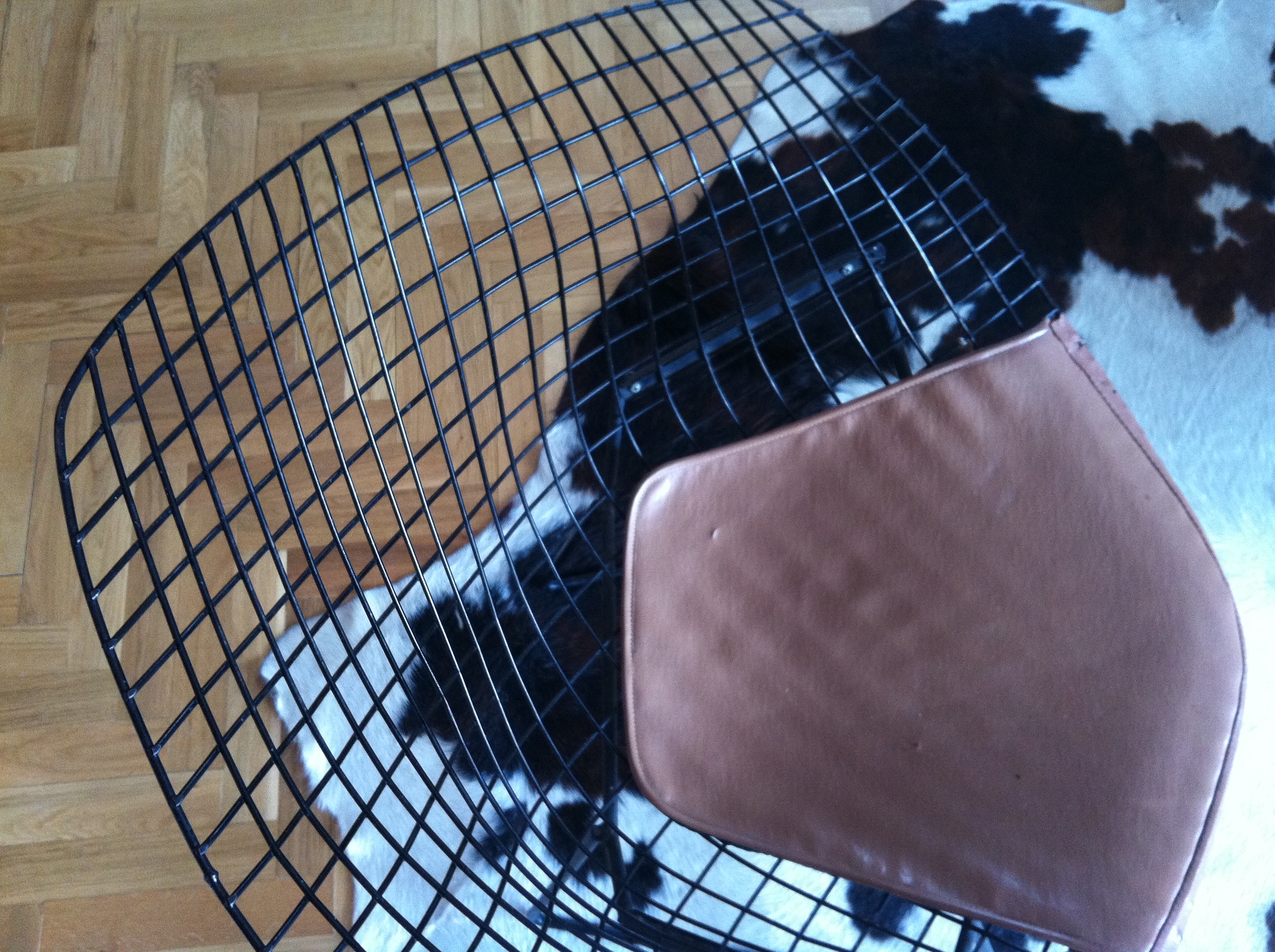
 Punctured with openings, this chair (1952) was among the very first to depart radically from thick, brutishly heavy chairs to offer a lightweight sculpture to arrange yourself in.  Designed by Harry Bertoia in steel wire to be as much about sitting as it is about changeability of sculpture.  Something to curl into and watch the world go by.  


Remember orange shag carpet?  Rather not?  Well, weep or rejoice…Orange is back with a vengeance.  I see orange splashed over this season’s snowboarder jackets, in architecture and even on these retro cocktail napkins by the Parisian designer Françoise Paviot.

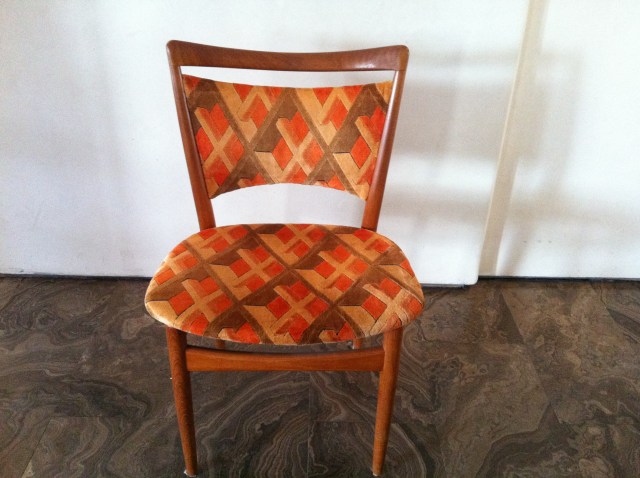
Danish teak chair, part of my dining room set, 1960s.   I intended recovering the chairs in something cool and minimal – black or white or taupe –  but still enjoying the vibe of this orange-brown agitation.

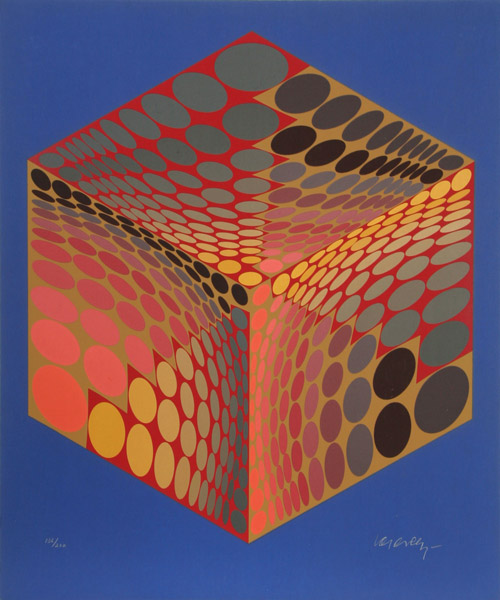
Coming at you from the psychedelic 1960s and the art of, say,  Victor Vasarely.  This serigraph by Vaserely titled Parmenide (Orange, Red & Blue).
I had to haul this out of the closet just to show you how orange can be done with conviction.  Here it is…my mod orange vinyl jacket by Courreges.  Vintage bombshell. 1960s.  The instructions say:  Clean with a damp cloth.  Or simply wear as a raincoat in a light mist.

Orange crush.

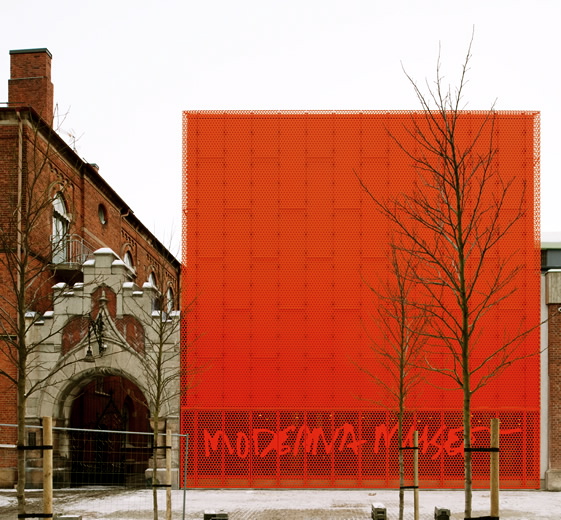
Taken in small doses, orange is a delicious energy drink.  The perfect way to clad the satellite operation of Sweden’s Museum of Modern Art in Malmo.  This blaze of orange designed by the Stockholm-based partnership of Bolle Tham and Martin Videgård.  Love the way mod orange rocks it out here, right next to an old electricity station. Zap!

Brain coral, found on Coconut River Beach, once the site of a slave settlement in Nevis, a Caribbean island historically rich for its productive sugar plantations.

The random, organic pattern of a Favela in Medellin, Columbia.  Also known as a slum, or in polite academic circles, an informal settlement.

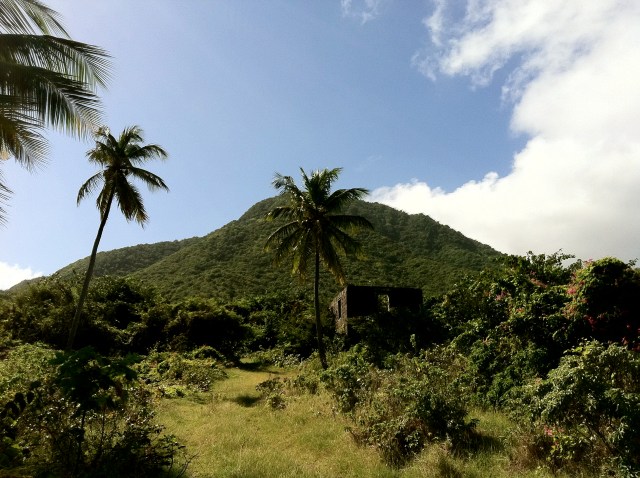
Nevis is an enchanting balm for the soul…A mountainous, historically-charged island in the West Indies that’s untouched by the overzealous commercialism of many islands in the Caribbean.   And, yes, you have to commit to getting there. After two long-haul flights, our third and final one was a wild ride on a 20-seater designed in the 1960s.  Vintage is something I like in furniture.  Not so much for planes.

 We flew straight into the sunset, and massive storm clouds, leaving Christmas festivities and sub-zero temperatures far, far behind.

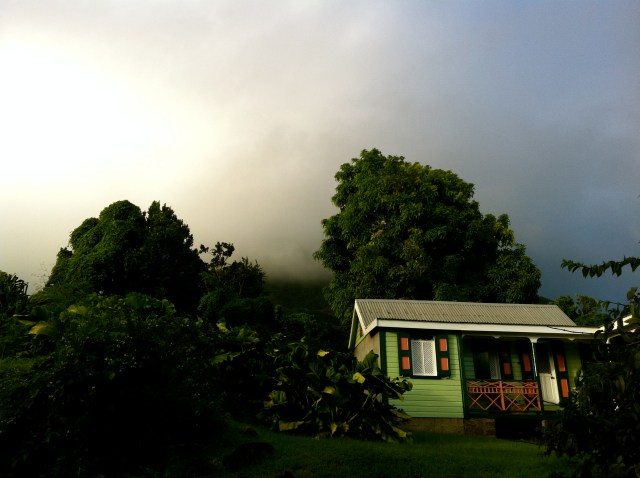
The island is a storybook of how to live and create a home – especially an intimately-scaled home – like this colourful wood-frame pitched delicately, magnificently against the rolling foothills of Mount Nevis. The legendary Hermitage Inn, built 340 years ago, is a collection of pitched-roof private villas at 800 feet above sea level with a Great House finished in Nevis hardwood and defined by its perfectly proportioned dining room, verandah and library.

 There’s tragedy, too, pressed into many of the island’s ruins. The Eden Browne estate looms dark and foreboding against an overgrown landscape where the groom killed his best friend on the night of his wedding.

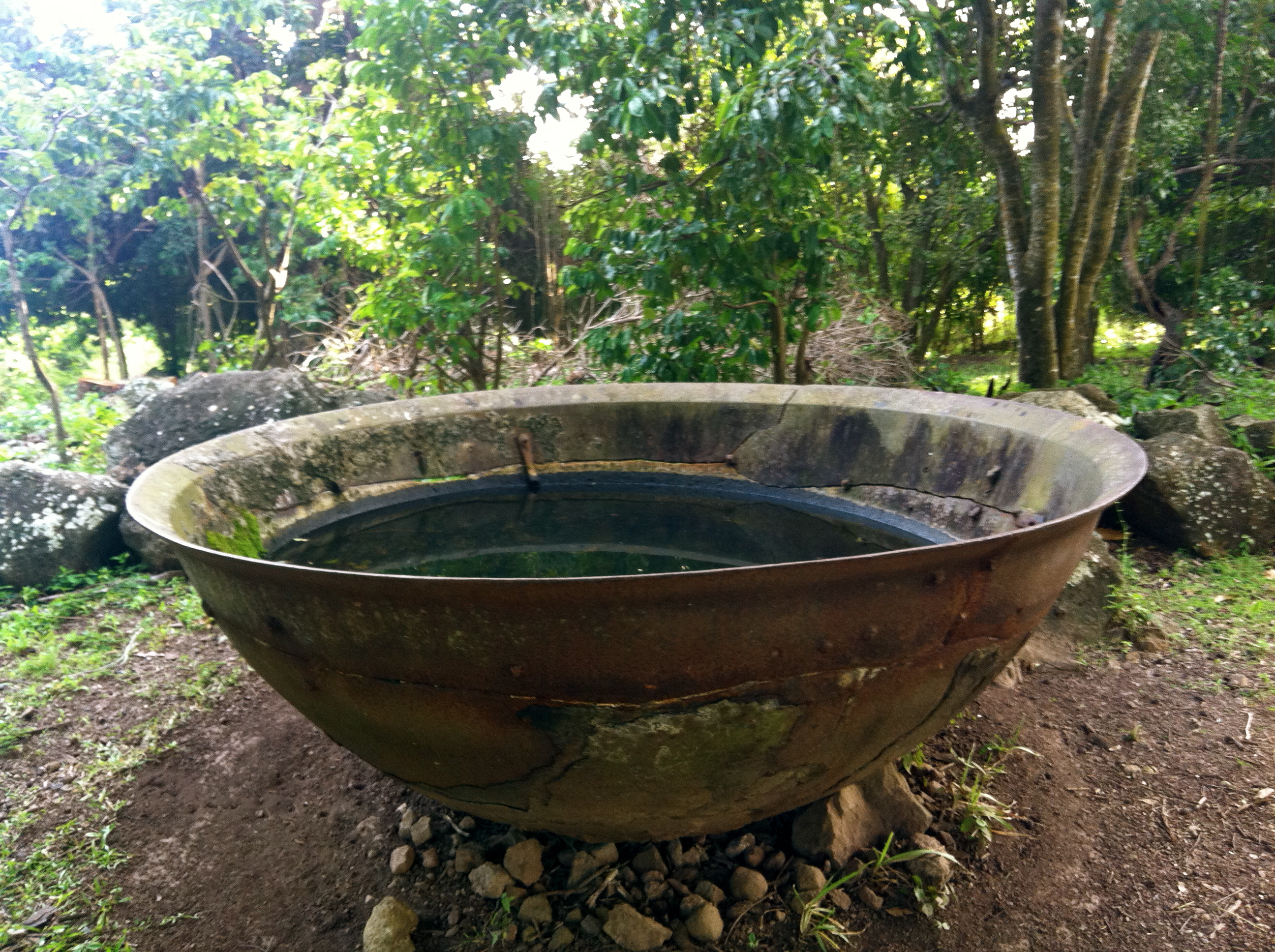
There are copper vats and iconic stone kilns still scattered across the island where slaves historically laboured on sugar plantations.

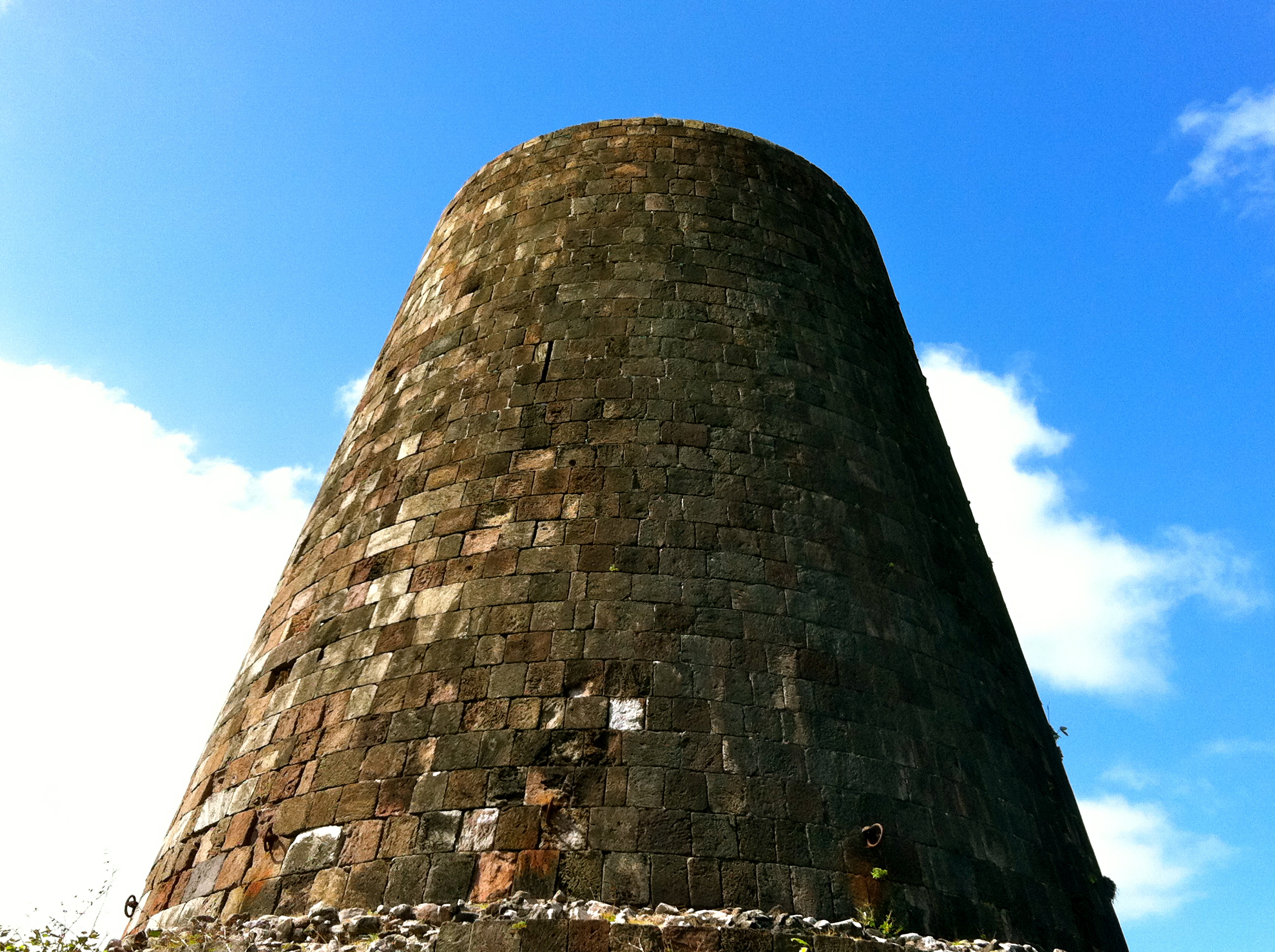
The production of “white gold” produced monuments in stone.  They might be confused as temples to Mayan Gods.  And now many of these artefacts are left to fall into ruin, while wild goats graze around them.

 The beaches are vast, untouched and deserted.  Just us and the palm trees bent over the sand, and the vervet monkeys prankstering around in the bushes.

Several plantations on Nevis have been transformed into elegant restaurants and hotels.  The Golden Rock Inn and Restaurant has been given a bold contemporary look by its owners, the acclaimed New York minimalist artist Brice Marden and his wife Helen.  (Marden’s work was featured at the MoMA in NYC in 2006, and his large abstracts have been sold on the block at Christie’s and Sotheby’s for many millions – each.)

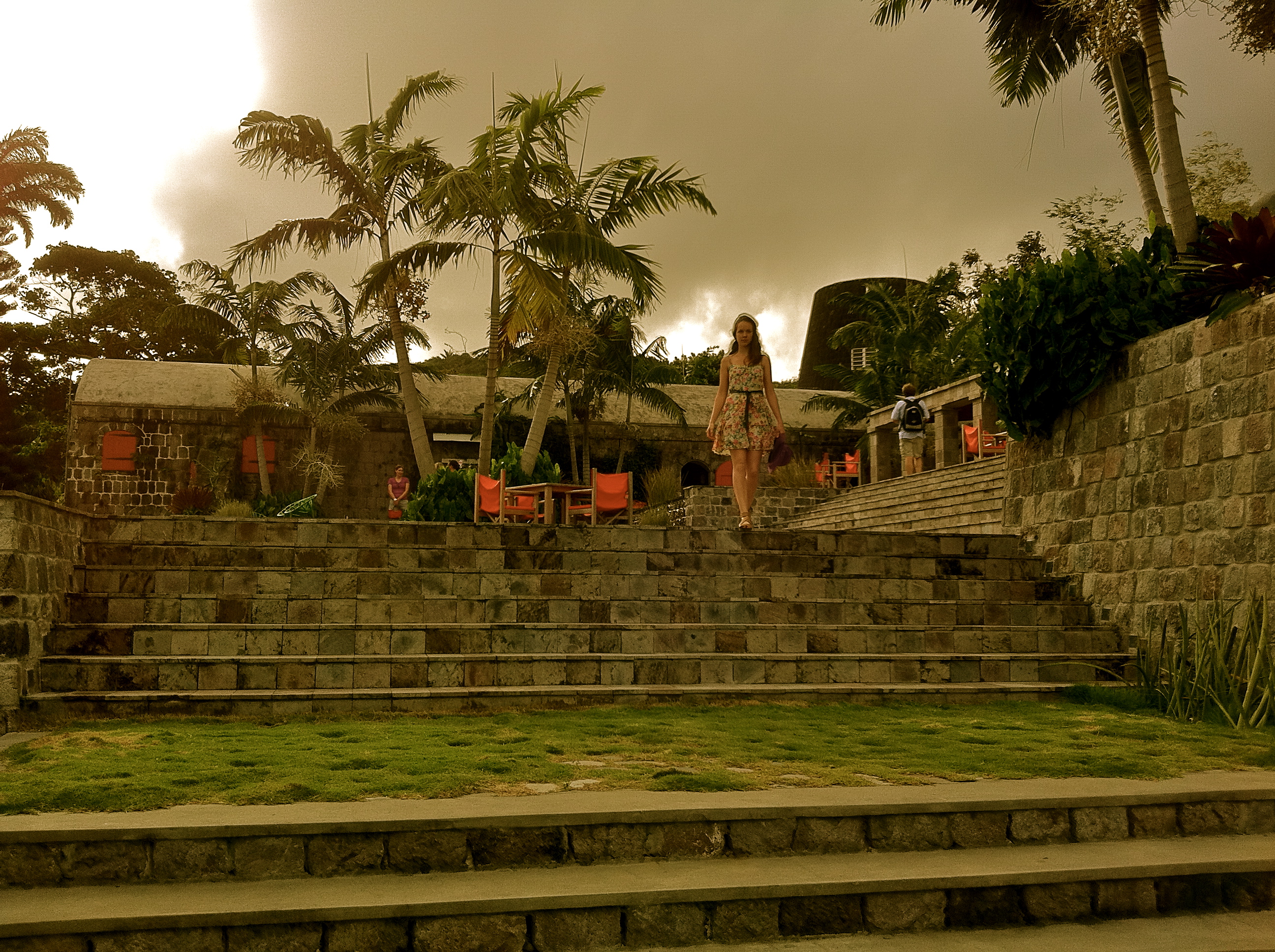
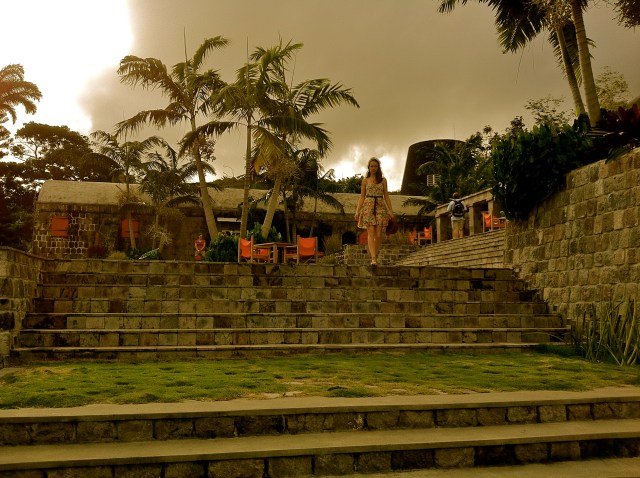
Marden asked the Paris-based designer Ed Tuttle, whose portfolio includes the luxury Aman hotels, to put his stamp on Golden Rock. A large podium with reflecting pool and steps leading to a dining terrace has been inserted into the lush landscape.  Stone plantation buildings with vaulted ceilings serves as a cafe and bar, revitalized with lounge furniture and shutters painted the plantation’s signature colour of burnished red.     Marden tours around the open-air restaurant, wearing his favourite black toque, saying hullo to us today and supervising the ongoing upgrades and aesthetic ordering of the wild, dense rain forest.

The Nevis fireworks on New Year’s Eve were dazzling.  So was the ‘Killer Bee’ rum punch at Sunshine’s beach restaurant.  And, most of all, dancing in the sand in bare feet.  Happy New Year !   It’s going to be a good one.  With love, from Nevis.

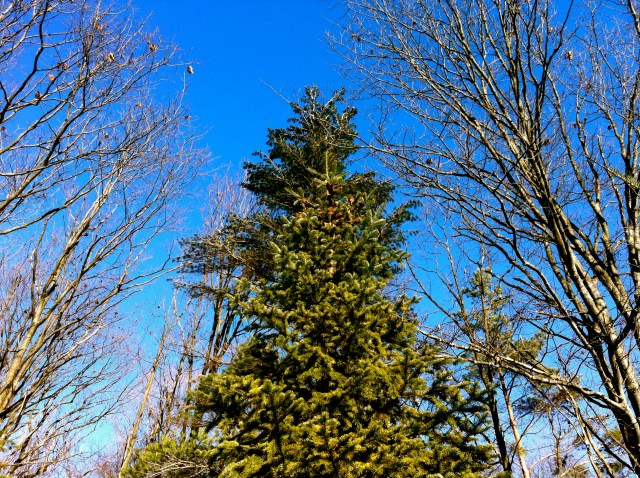
Now that the leaves of the crabapple have fallen to the ground, I have a direct view out my window to my neighbour’s old growth Norway Spruce.  She rises more than 80 feet and  towers over the houses.  Branches lifted upwards. Adorned with masses of pine-cone bling.  All embracing.  She’s one of the tree spirits living in my Beaches neighbourhood. So, no, I rarely feel the need to travel north to connect to nature.

Although it sure feels great when you finally do arrive there.

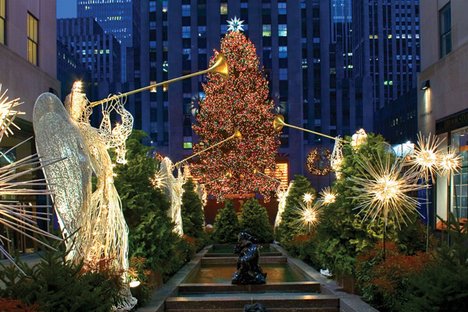
Christmas shines a moonbeam on the intrepid evergreen.  To pay homage, we come out to the world’s great public squares to worship at the foot of the Christmas tree. in NYC, people have been flocking to the lighting up of the Rockefeller tree since the 1930s.  This year’s 75-foot-high Norway Spruce at Rockefeller is almost as tall as the one I’m looking at right now through my Beaches window…but, sorry America, mine’s taller.

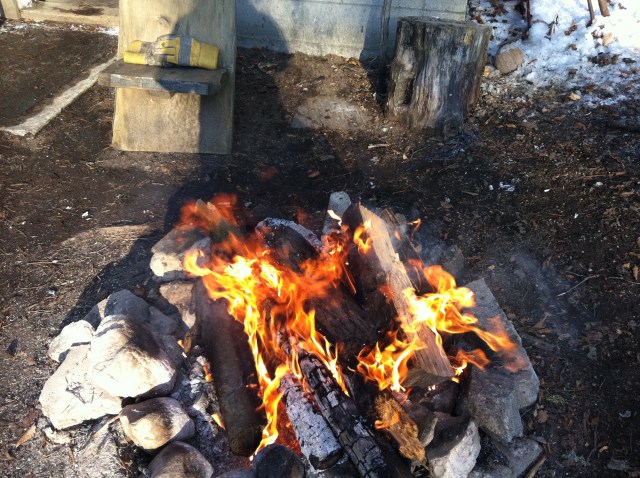
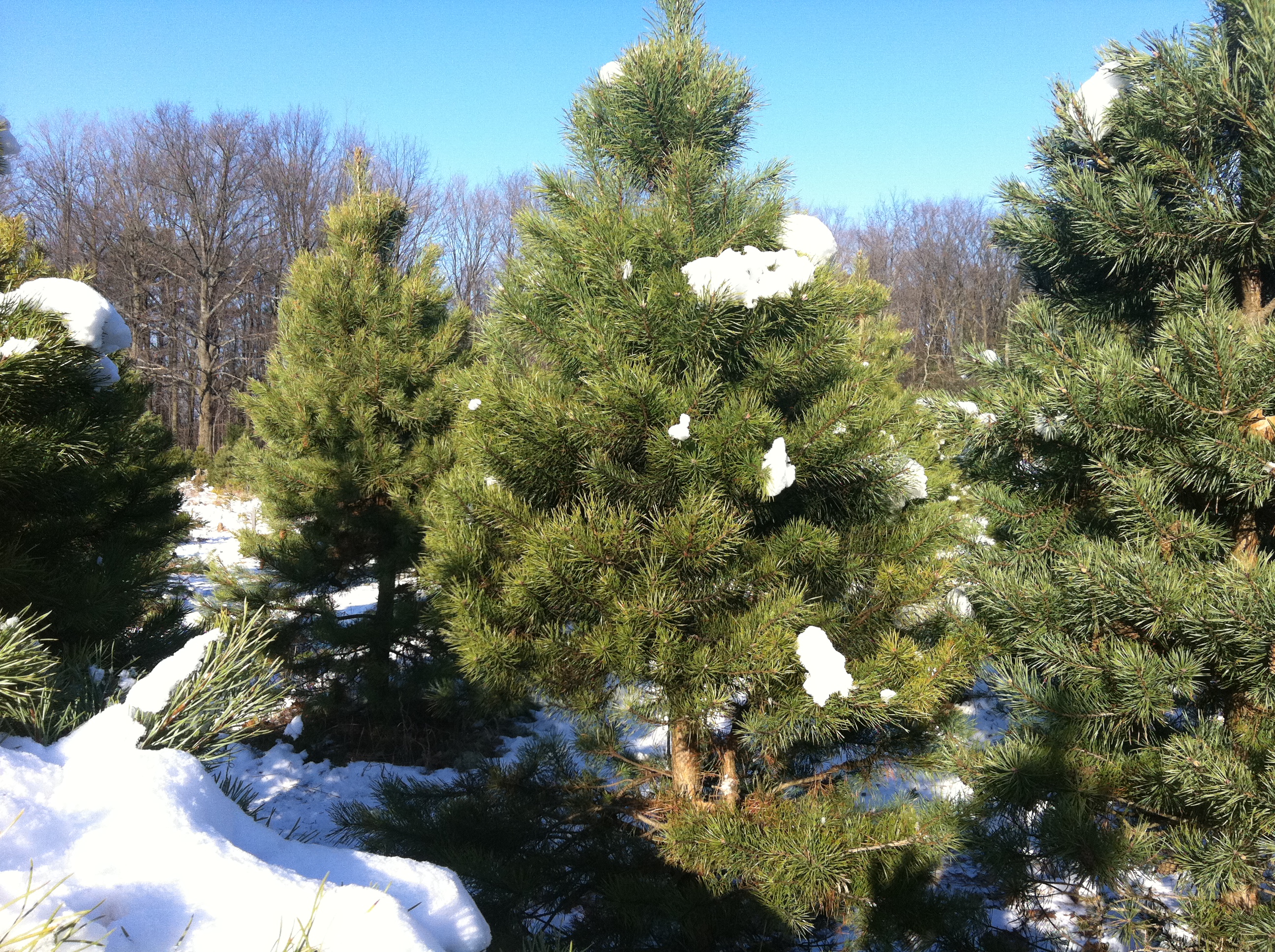
 This year, on a brilliant sunny day, we rejected the evergreens tightly swaddled in the grocery store parking lot and went in search of an authentic Canadian icon. Piled the kids in the van and drove north of the city in search of a tree farm, and hot chocolate and –critical ingredient —  the ironman bonfire.

We ended up at Tufford’s Trees.  A solid family place.  No pre-fab shacks selling maple fudge.  No horses pulling wagons while frothing horrible white stuff from their mouths.

We were looking for something about 10 feet tall to set down in our Canadiana room.

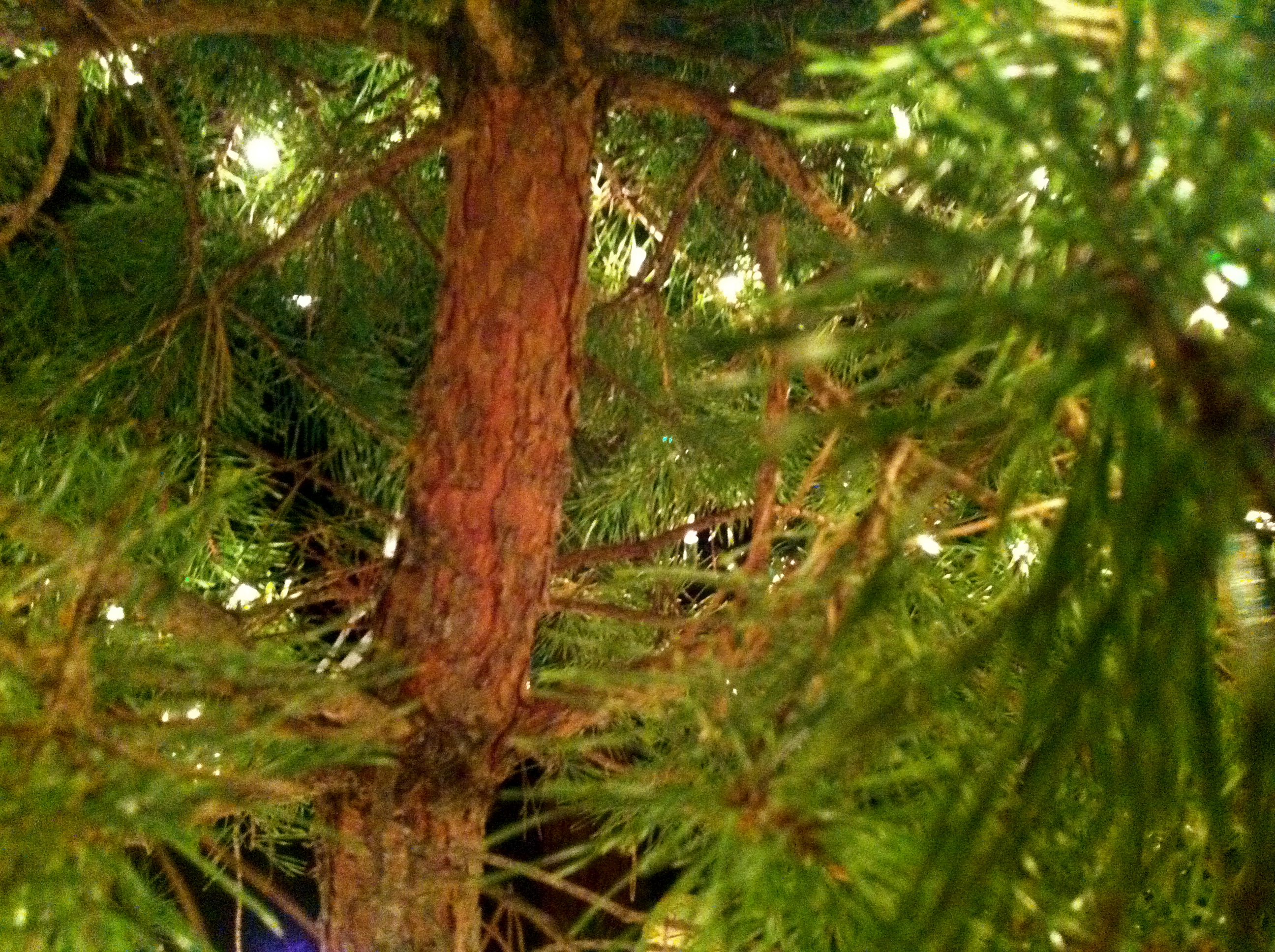
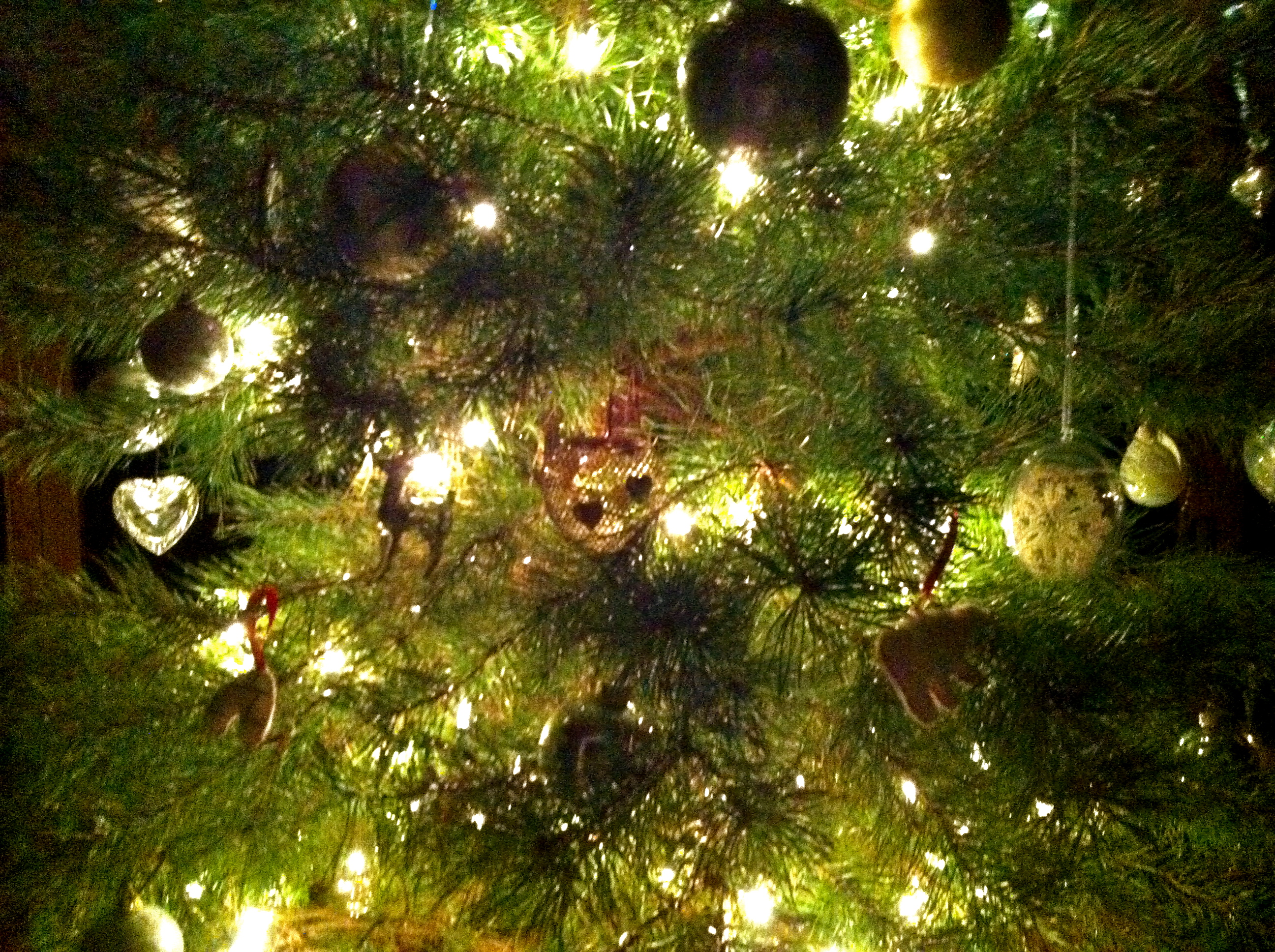
Something to peer into, with an intriguing interior life.  A forest within a tree.  This one is light and airy and the crooked trunk will make a splendid scratching post for Hercules.

The thought was that with the help of some silver and gold balls, hand-stitched Canadian igloos and polar bears, miniature white lights…Enough daydreaming…We sawed it down. And later discovered the painful perils of the Scotch Pine and the delights of hanging ornaments with leather gloves on.

Our friends, Helen and Nigel, needed a really, really tall tree to fill their double-height living room. And, designers that they be, they were armed with a measuring tape.  Mr. Tufford looked dubious when he was given the required dimensions.  Then he remembered the big red pine that he’s been trying to sell for years.   (By the way, Tufford plants about 400 saplings every year to keep his farm healthy.)

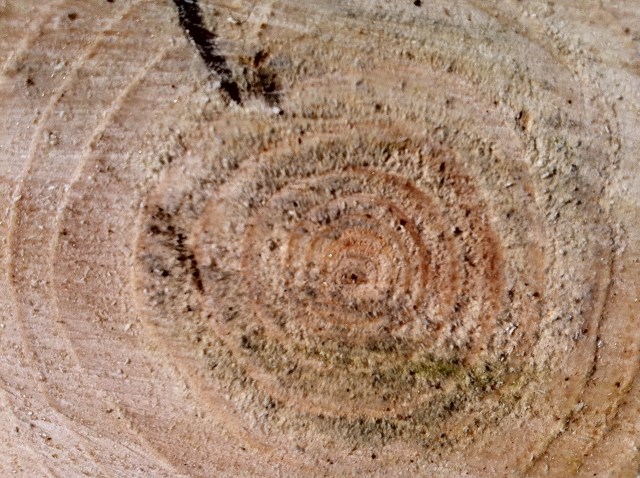
Here it is: Red Pine’s proof of age.  An honest look back through a lifetime of fast and slow growth. Imagine if this was how humans revealed their age.  Brutal honesty. Joan Rivers might not like it.

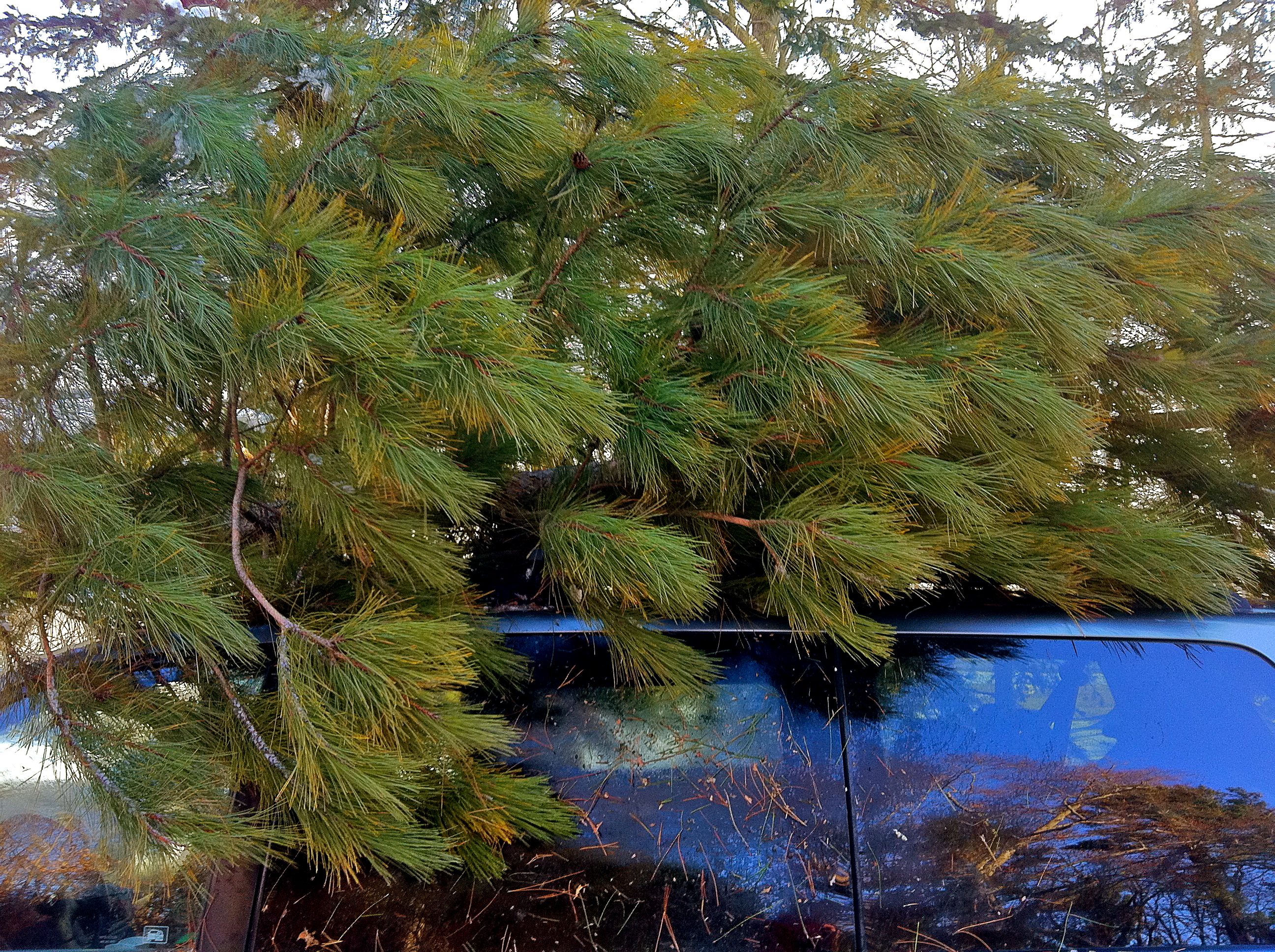
In this act: a family van disappears under aforementioned red pine.  Not sure this is the next generation AirStream.    But makes an excellent air freshener for any home.

Back to the Beaches, and an evening walk along the Boardwalk where 15 trees are lit up like multi-coloured extravaganzas.

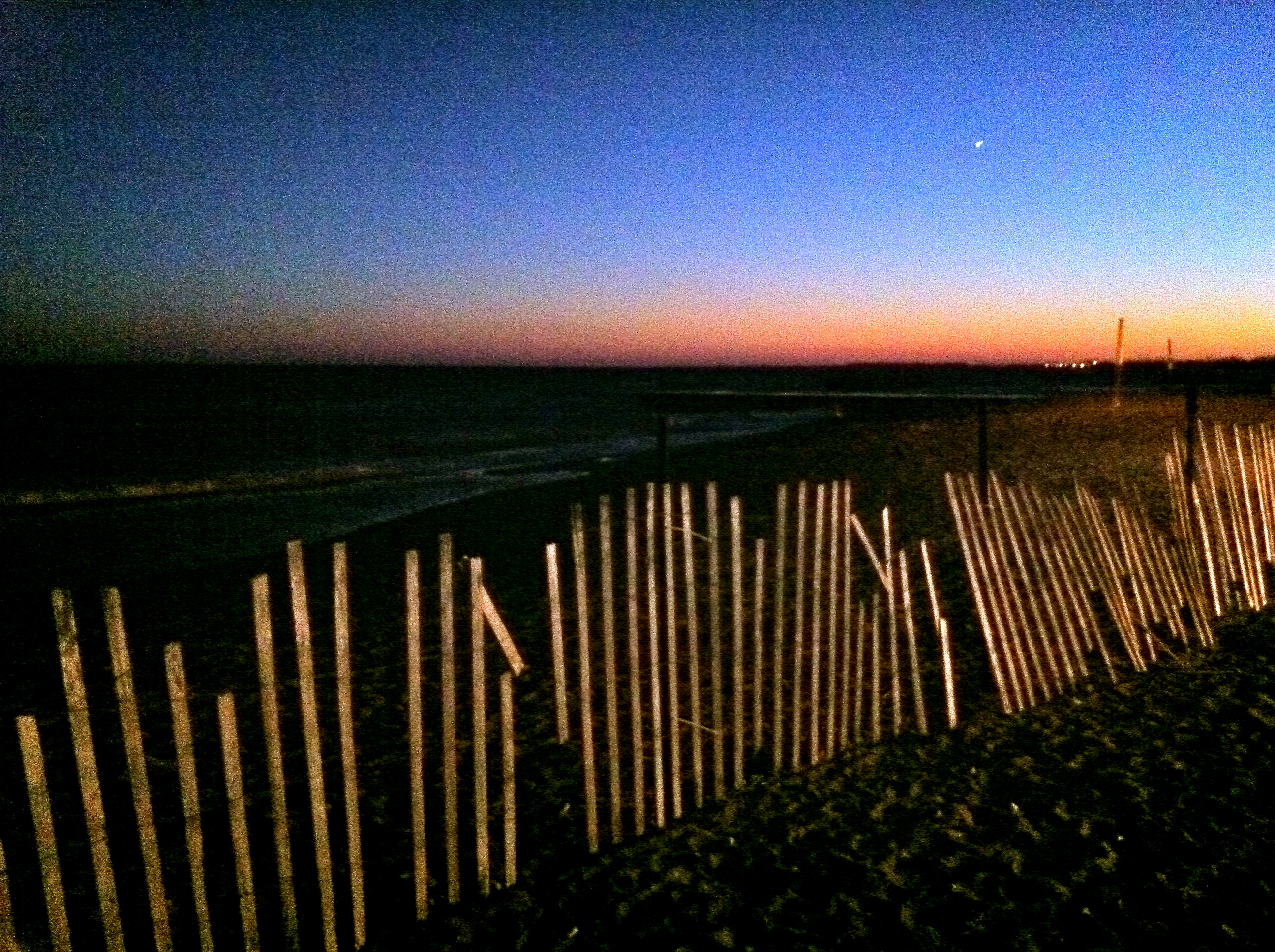
The sun was sinking low into the winter sky.

That’s my version of an Illuminated Xmas Tree Manuscript.  I have to go now and plug in my lights.  Merry Christmas !!

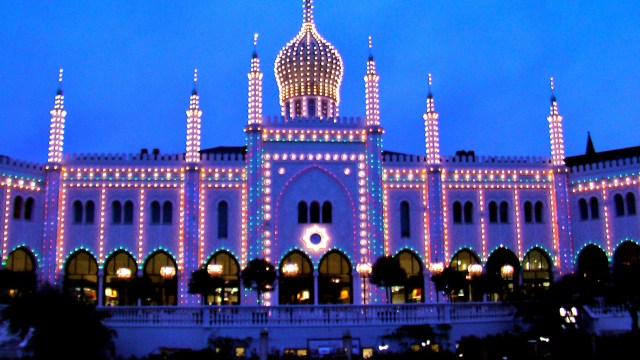
When I see Christmas in my head, I don’t see green and red.  I prefer combinations of deep purple and electric blue.  Which is why the Moorish Palace at Tivoli (1853) in the entertainment gardens of Copenhagen gives me an extra thrill at Christmas time.

Or this season’s Christmas packaging at  LeNôtre fine foods in Paris, where the glossy paper bags are mini works of art and the tea comes in hot pink tins.

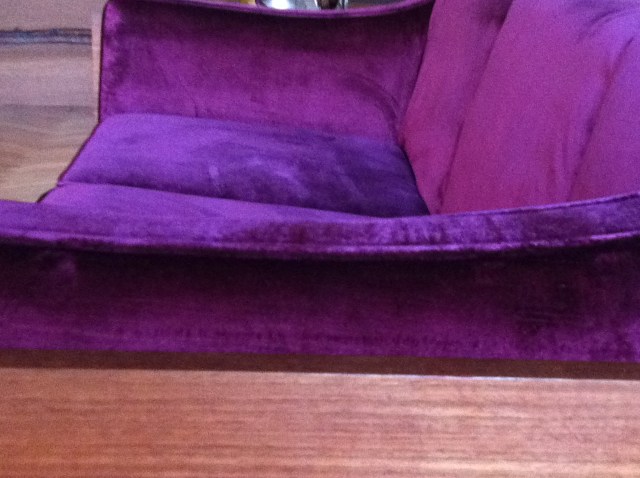
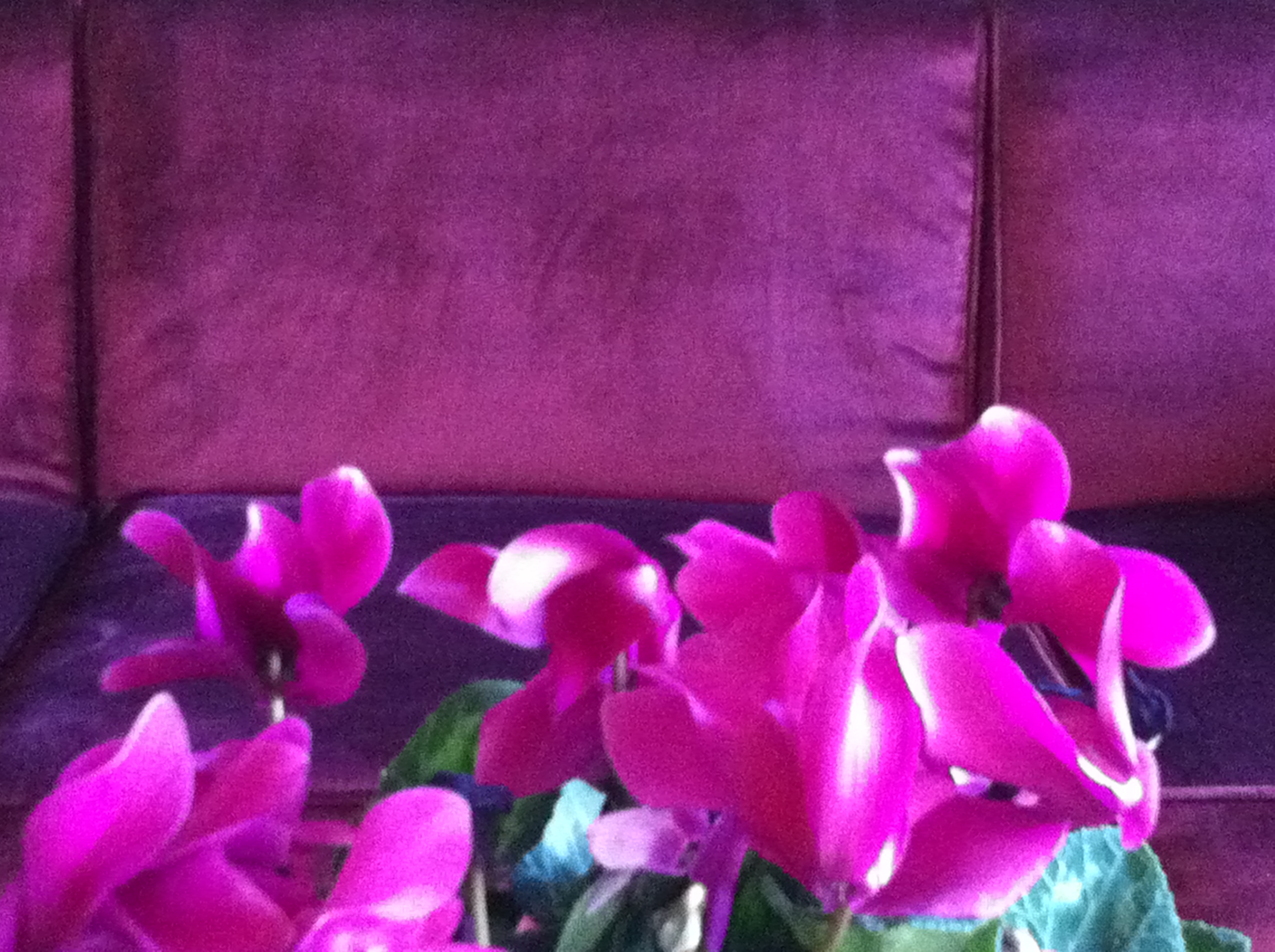
Inspired by the season of rich tones, I recovered our Danish teak couch (originally upholstered in a boring oatmeal colour) in a deep purple.   Velvet seemed the only option.  What do you think???

  Actually, because the velvet shifts from purple to burgundy to pink depending on the sun and the way the plush moves, I’ve decided to rename it our Mark Rothko couch.


Nobody does deep purple and electric blue like the great American painter Mark Rothko.  Possibly Henri Matisse, but not with the kind of endless meanings floating out from abstraction.  I just saw a fantastic play in Toronto about Rothko called Red.  There was paint flying, and clouds of pigment when the passion of making art went sky high.  Whenever I’m in Washington my first pilgrimage is to the East Building at the National Gallery to see the colour-drenched Rothko’s hovering there.  Luckily, I have a Rothko right here at home.  It’s a fridge magnet. I think I got it for Christmas.

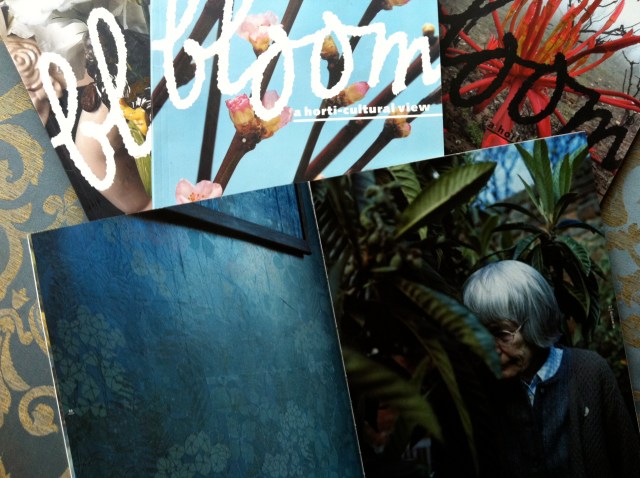
Bloom is a luscious magazine published out of Holland.  More than that, it’s a changemaker that predicts design trends beginning with its “horti-cultural view”.  That may sound quirky but Bloom is considered a bible among fashion insiders, starting with thread designers.     Thread designers read it to help project new colours and textures for the future.  Their output of thread influences fabric designers who, in turn, catalyze new fashion trends.  One season after the release of Bloom, the vision of the magazine turns up on the walkways of the world’s most illustrious fashion shows.

Bloom’s feature on the British wallpaper designer, Marthe Armitage, describes how her intense, lushly coloured designs were an attempt to bring the plant life of the outdoors inside, to clamber up the walls of her friends.  She’s been making her lino-print papers for more than fifty years and only works with two or three colours at a time: like this one, “bushes” (1992) in which she layers turquoise with aqua blues and steely greys.

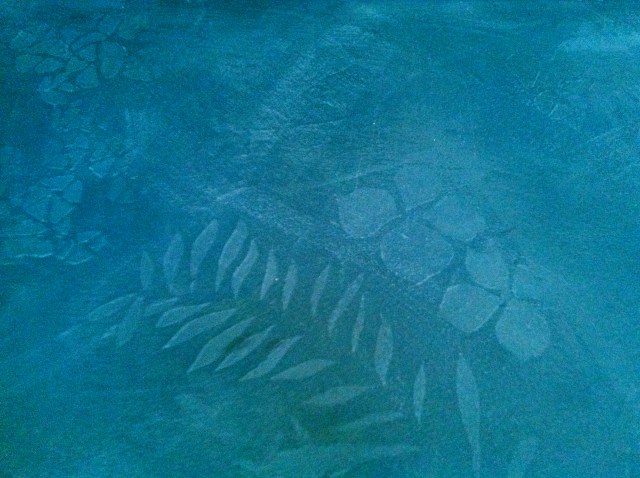
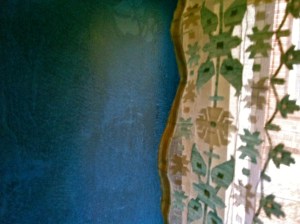
I admired the subtlety of her designs, but was reluctant to put wallpaper up on our walls.  Instead, I asked a painter to create three stencils of florals and layer various colours of blue over the wall in our Canadiana room. At a quick glance, the wall looks intensely blue – eventually, though, you can begin to make out the leaves and petals painted there.

My friend, Olivier Beriot, is an amazing costume designer based in Paris and he’s the one who gave me several issues of Bloom.  He designed the costumes for The Diving Bell and the Butterfly, that masterful film by Julian Schnabel that shifts between the unthinkable and sublime fantasy.  Whenever I gaze at the mesmerizing plants and foliage in Bloom, I think of the blooming of Olivier’s creations, and the promise of thread design.

Hike into a forest and your heart slows down.  At least, that’s what happens to me.  Here’s what I discovered after three flights, a long train ride and a taxi with a really lost driver:  Nordic pine forest, west coast of Finland, surrounding the world-famous home, Villa Mairea, designed by Alvar Aalto.  Harry and Maire Gullichsen were among the wealthiest people in Finland when they commissioned their good friends, Alvar and Aino Aalto to design their Villa Mairea during the Depression.   The architects called the villa an “opus con amore,” a house imagined with affection.   The Aalto design emphasizes local, rustic materials: rattan mats on the floors rather than Persian carpets. There are paths made of local flagstone and columns of spruce at the front entrance – not exactly what you’d find in Beverly Hills.

I was amazed by the curved cedar balustrades and arbours made of spruce saplings at the Villa Mairea.  In a home filled with paintings by Picasso, Fernand Leger and Alexander Calder mobiles, built-in bookcases in the study were designed using birch plywood to be engaging and human-warm.

Hercules on our (yes, Aalto-inspired) curved back deck, doing what he likes best: posing.
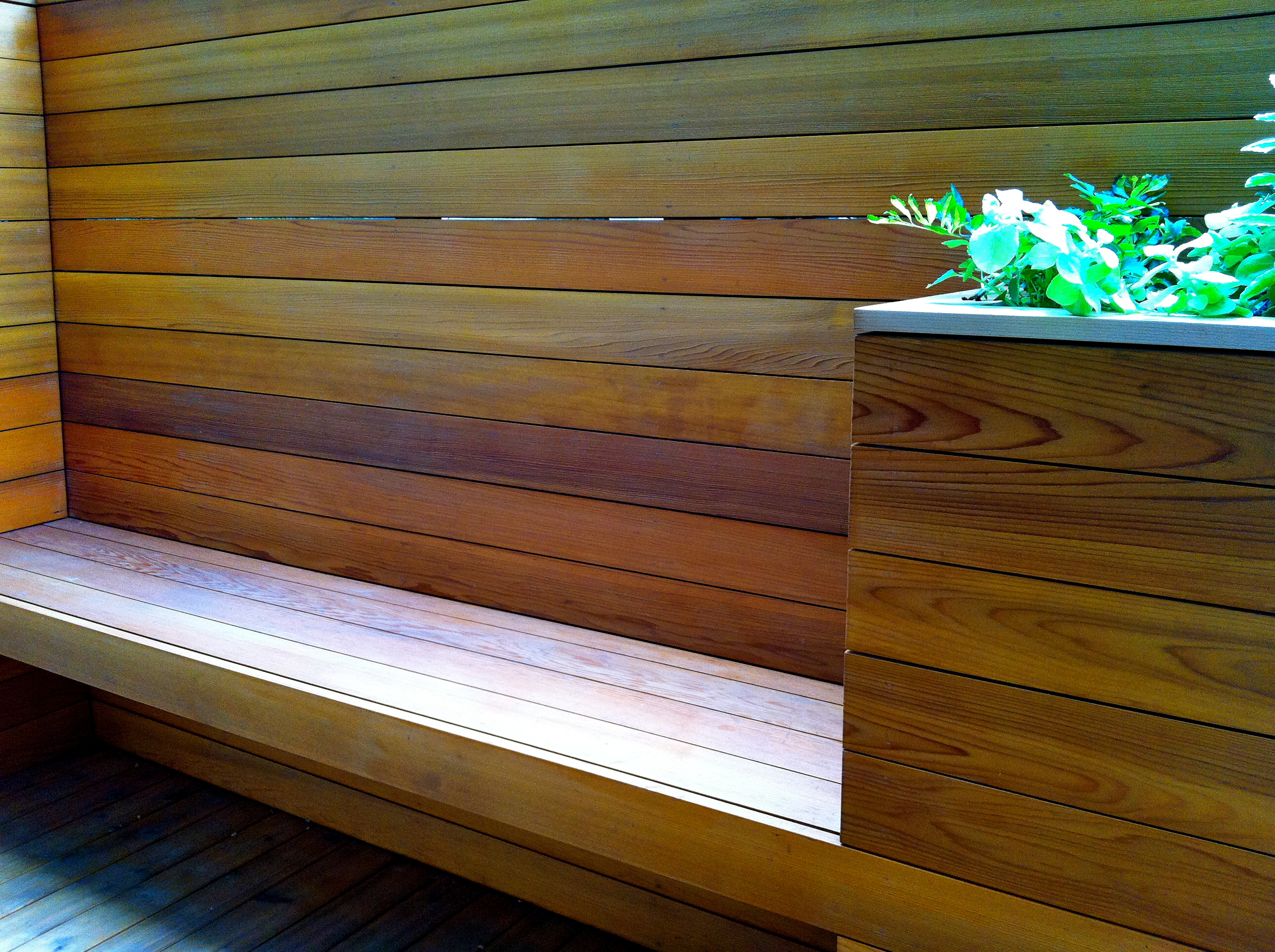
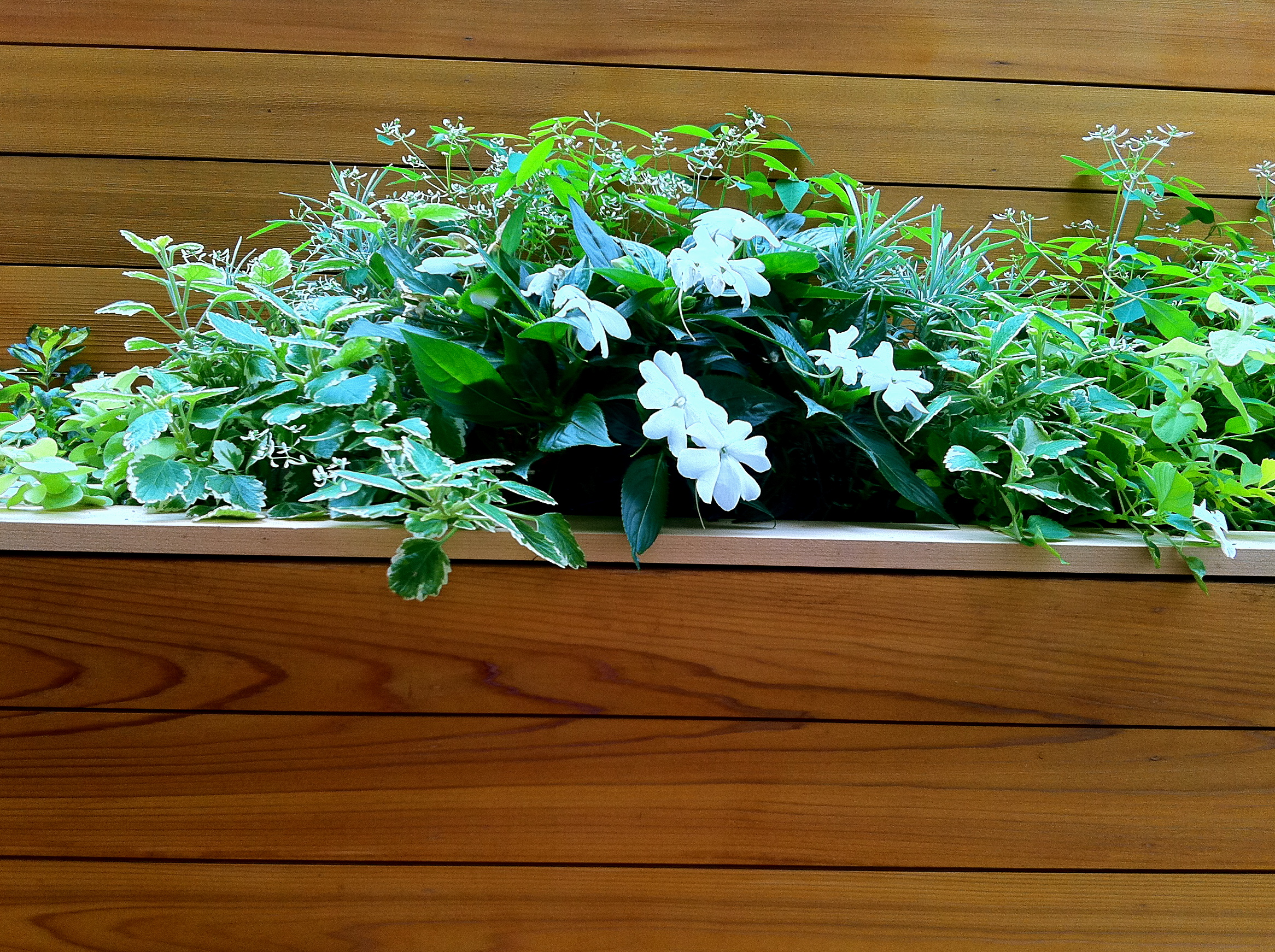
Our side deck, made of clear cedar, doubles as a green space and lounge seat to catch the late afternoon rays.

Designed with a whole range of green tones, this little garden catches my eye every time I walk through the kitchen.  And, because it’s sheltered on the north side of our house, the plants flourish even after the first snowfall.

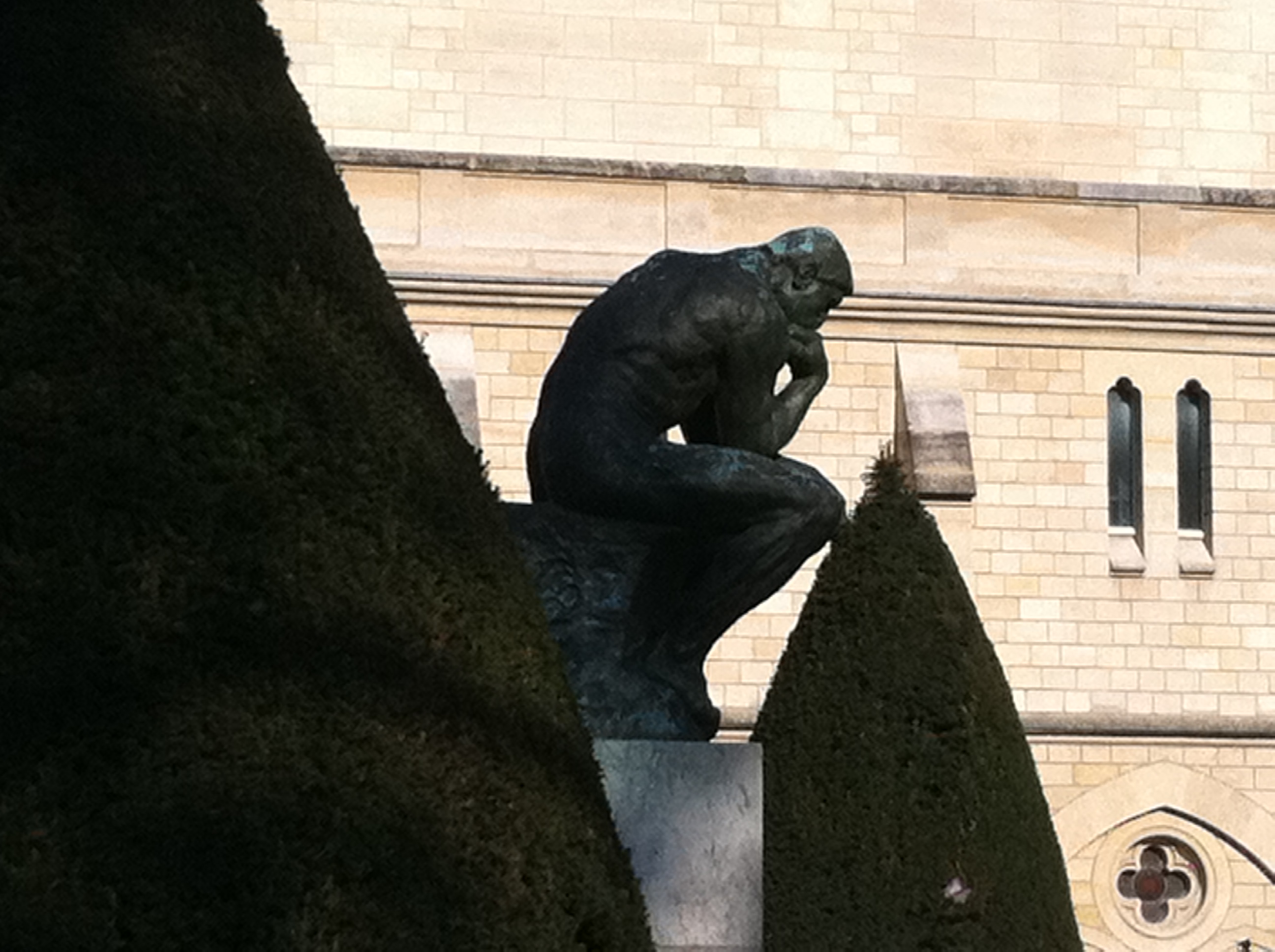
The Rodin Museum on the Left Bank, Paris, is where sublime connections happen between art and nature.  I’ve experienced the gardens and Rodin’s masterworks such as Le Penseur (1880) under a veil of snow and through a mist of rain.  A few days ago, under brilliant blue skies, the naked brooding man in bronze seemed as intense as the harshly clipped shrubs.  I learned for the first time that Rodin’s museum was previously a girl’s school run by the Ladies of the Sacred Heart.  And, later, in the early 1900s the mansion served as an atelier for painter Henri Matisse with Rodin commandeering a suite of rooms on the ground floor, and, across the street, Isadora Duncan conducting her dance studio.  Eventually, Rodin ensured that the entire mansion, L’Hotel Biron, would become the permanent resting ground for his vast collection of bronze sculptures and drawings.

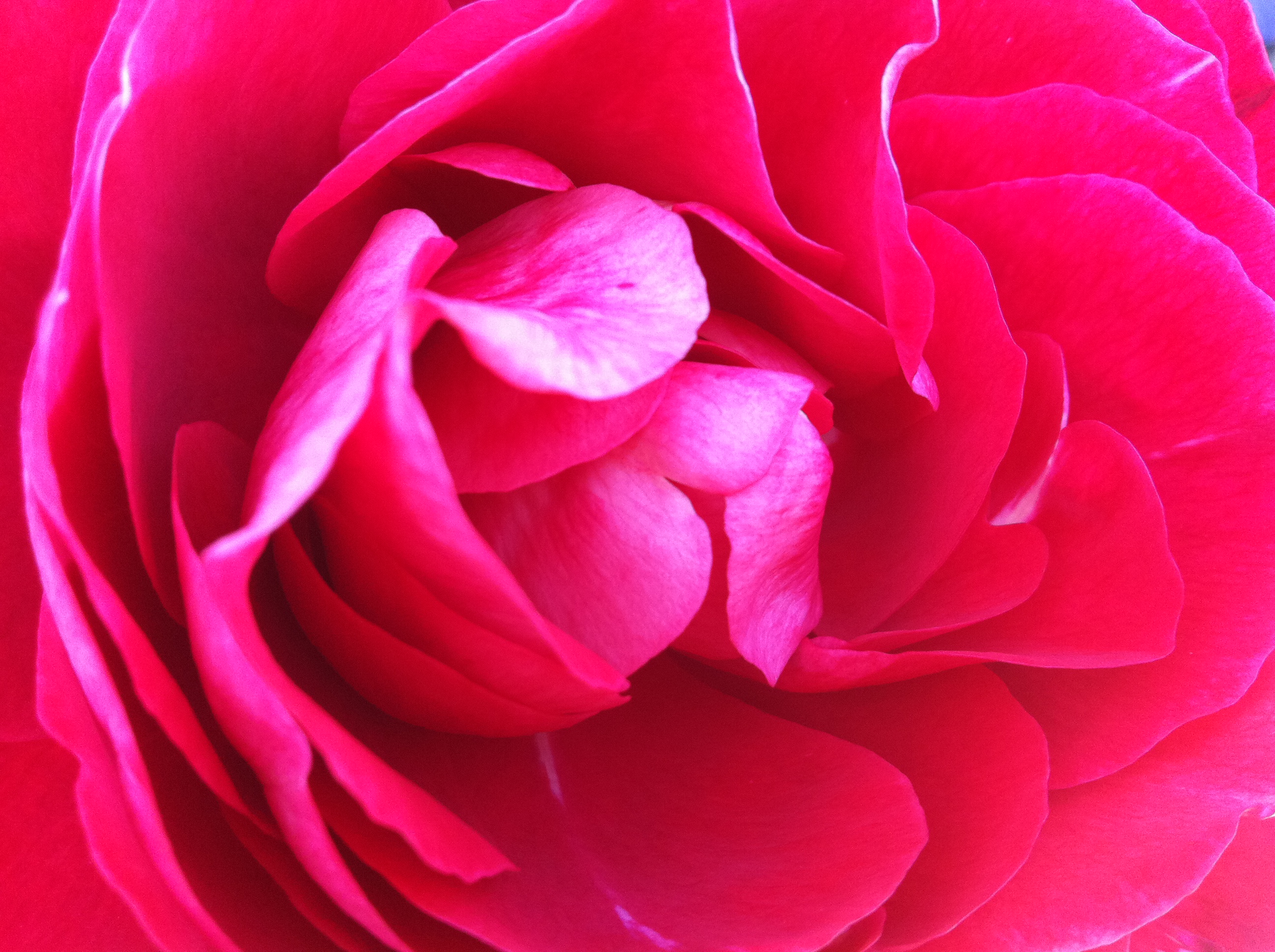
A walled, secret garden with some 2,000 roses, many of them in full bloom despite the cool autumn temperatures.  This one still radiating youth and vitality, like Rodin’s muse and lover, Camille, who was 17 years old when she joined his studio.

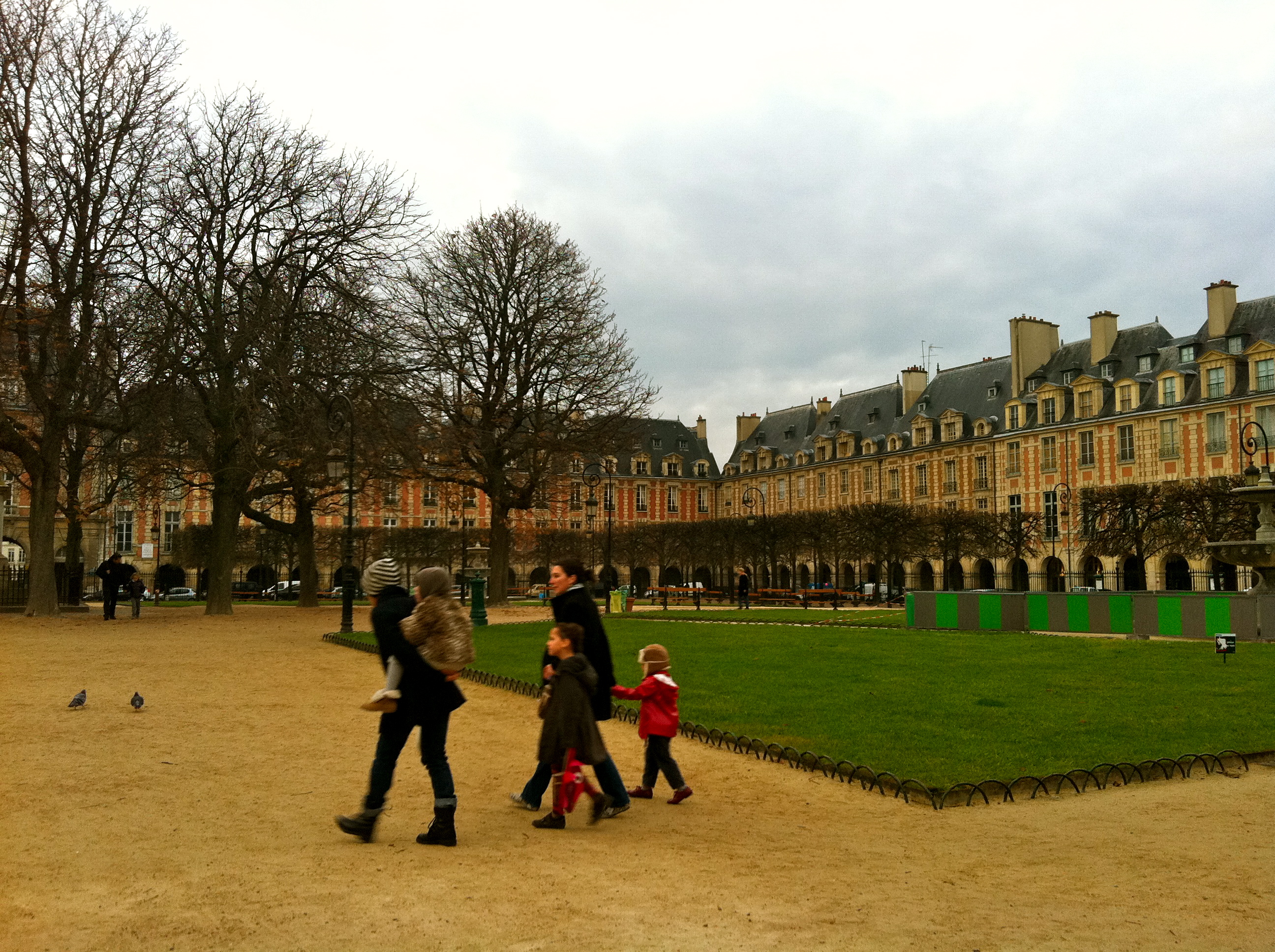
Place des Vosges, one of the world’s greatest living rooms, where the Linden trees and  lawns of grass soften the epic scale of the square.  Victor Hugo once lived here, and the influential French Culture Minister, Jack Lang and, these days, behind his shuttered windows, Dominique Strauss-Khan, who almost became the next French President.  (Almost only matters in horseshoes.)

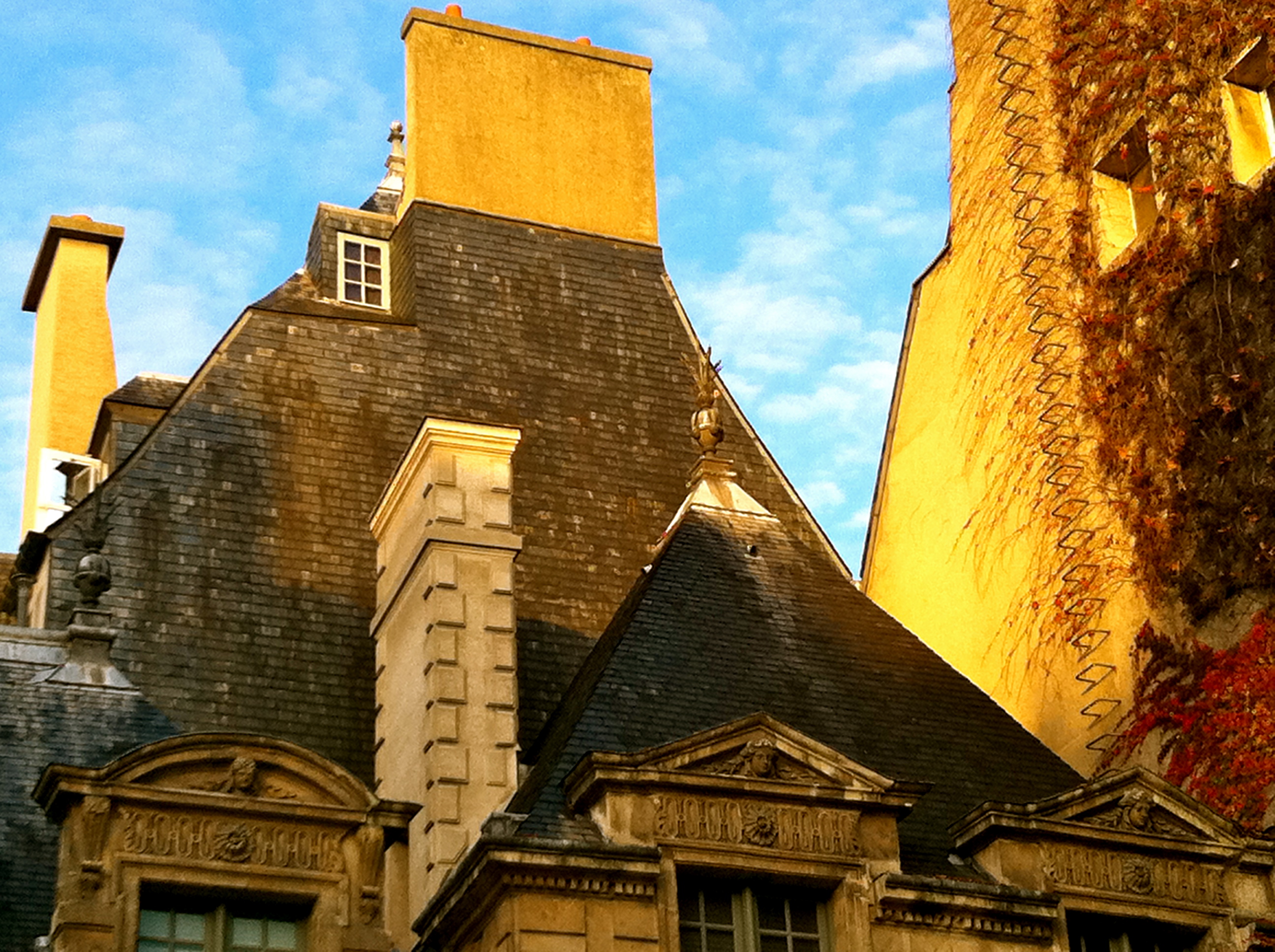
A dance of dormers and chimneys, peaks and valleys, on the roof of the 17th-century Hotel Sully, connected, by way of a massive door, to Place des Vosges.

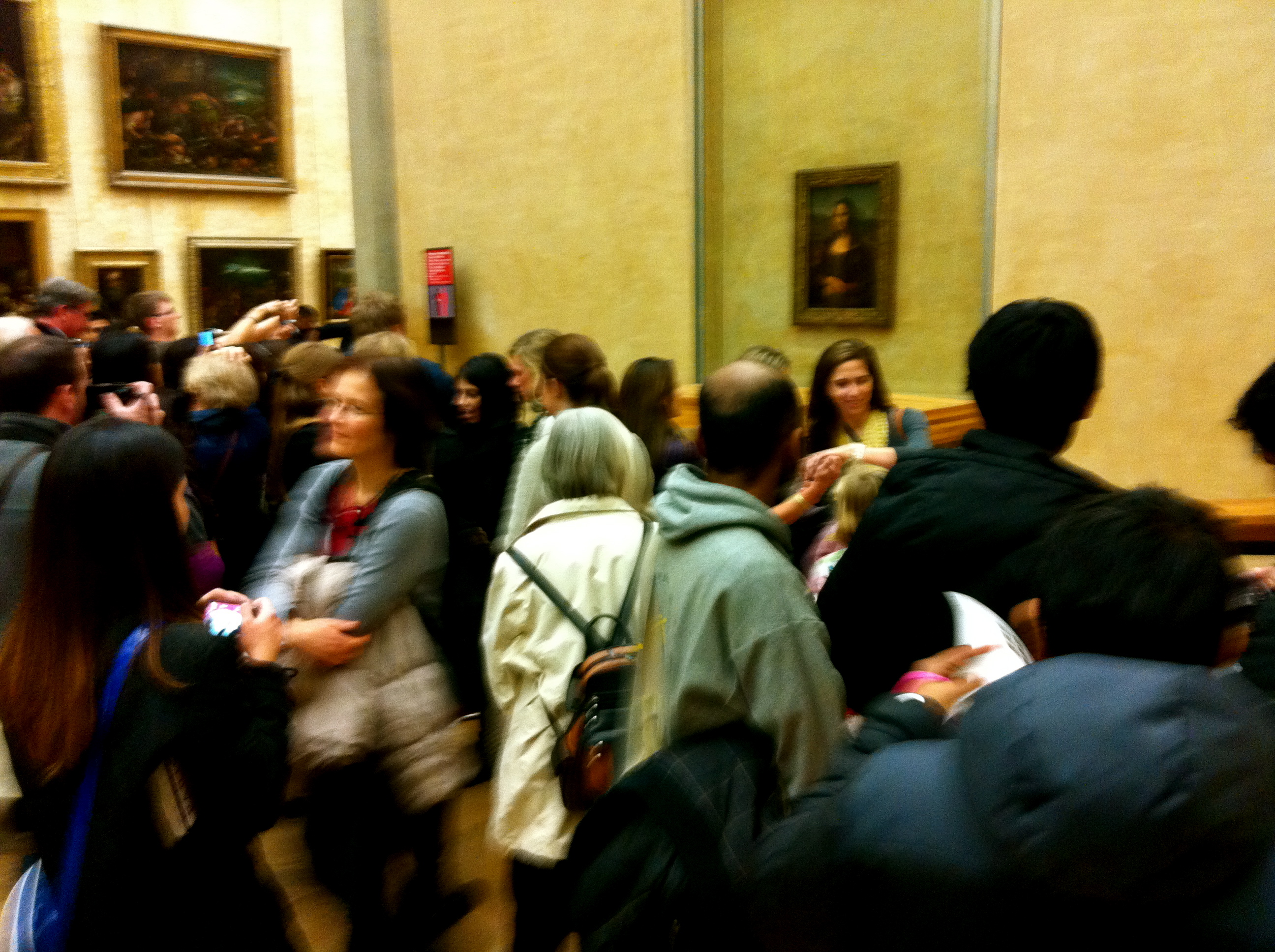
Late Friday night. Most of the six million visitors to the Louvre journey deep into the museum to see the mythical Mona Lisa.  Seven minutes, on average, spent hanging with her and being part of the spectacle of seeing…and being seen. This time I noticed her peasant hands, so much darker than her neck and face.

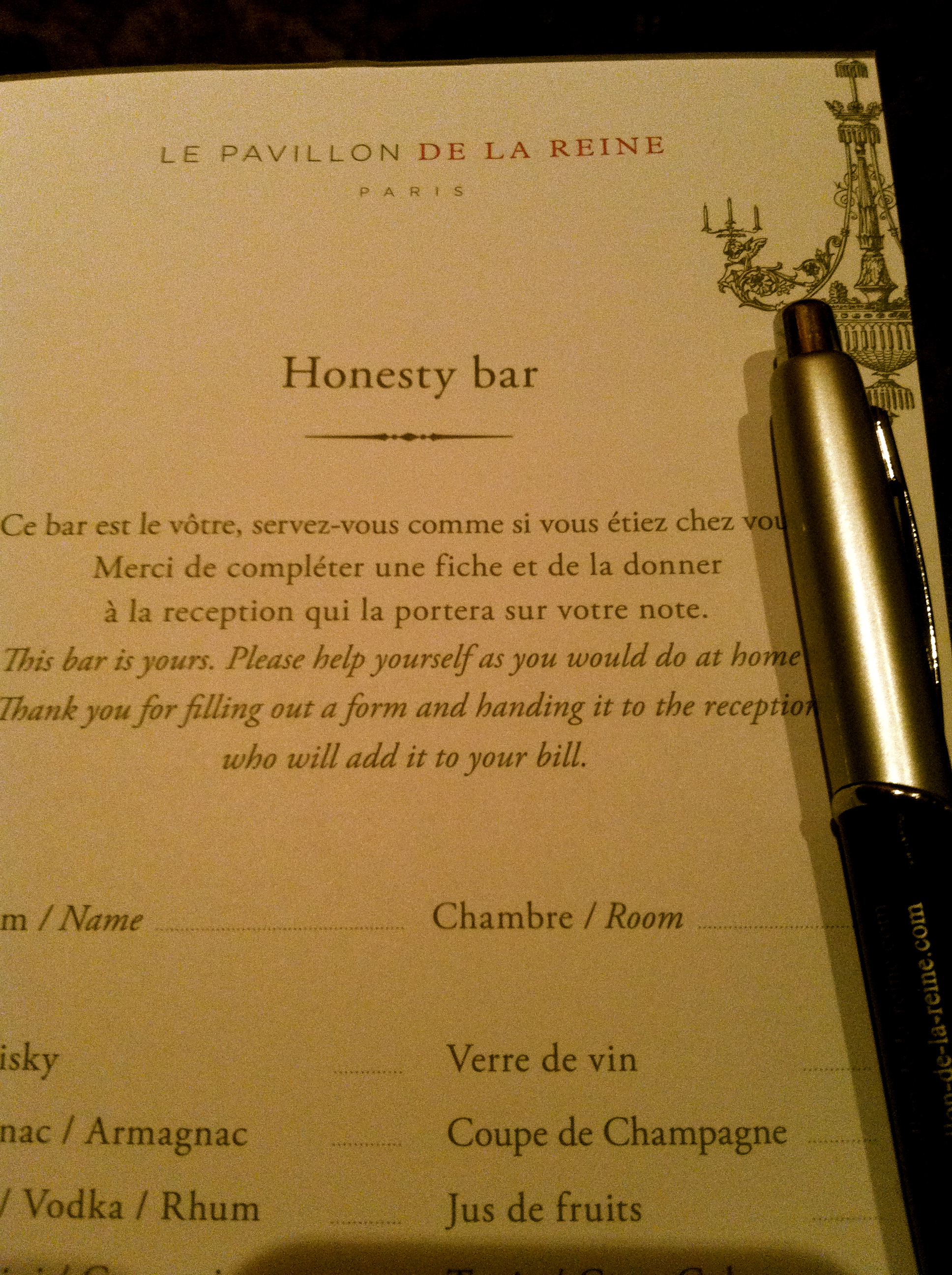
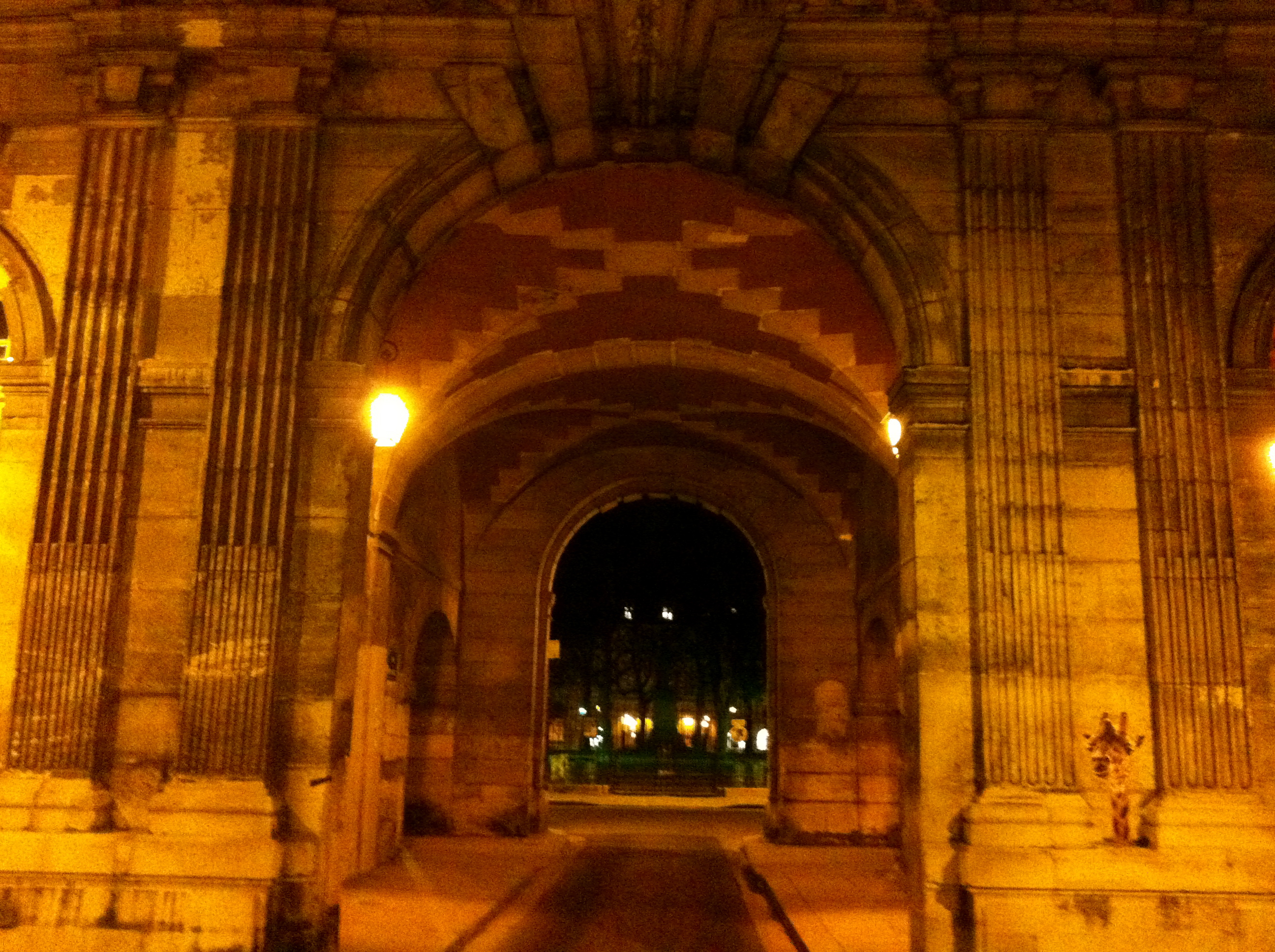
Located through a monumental arch on the north side of Place des Vosges, this is an ultra discreet boutique hotel set within a leafy courtyard.  Night time all peace and quiet except for the occasional high arias by a castrati in a long blue coat performing one arcade over.  The ambiance is warm and intimate, best expressed by the honesty bar in its lounge.

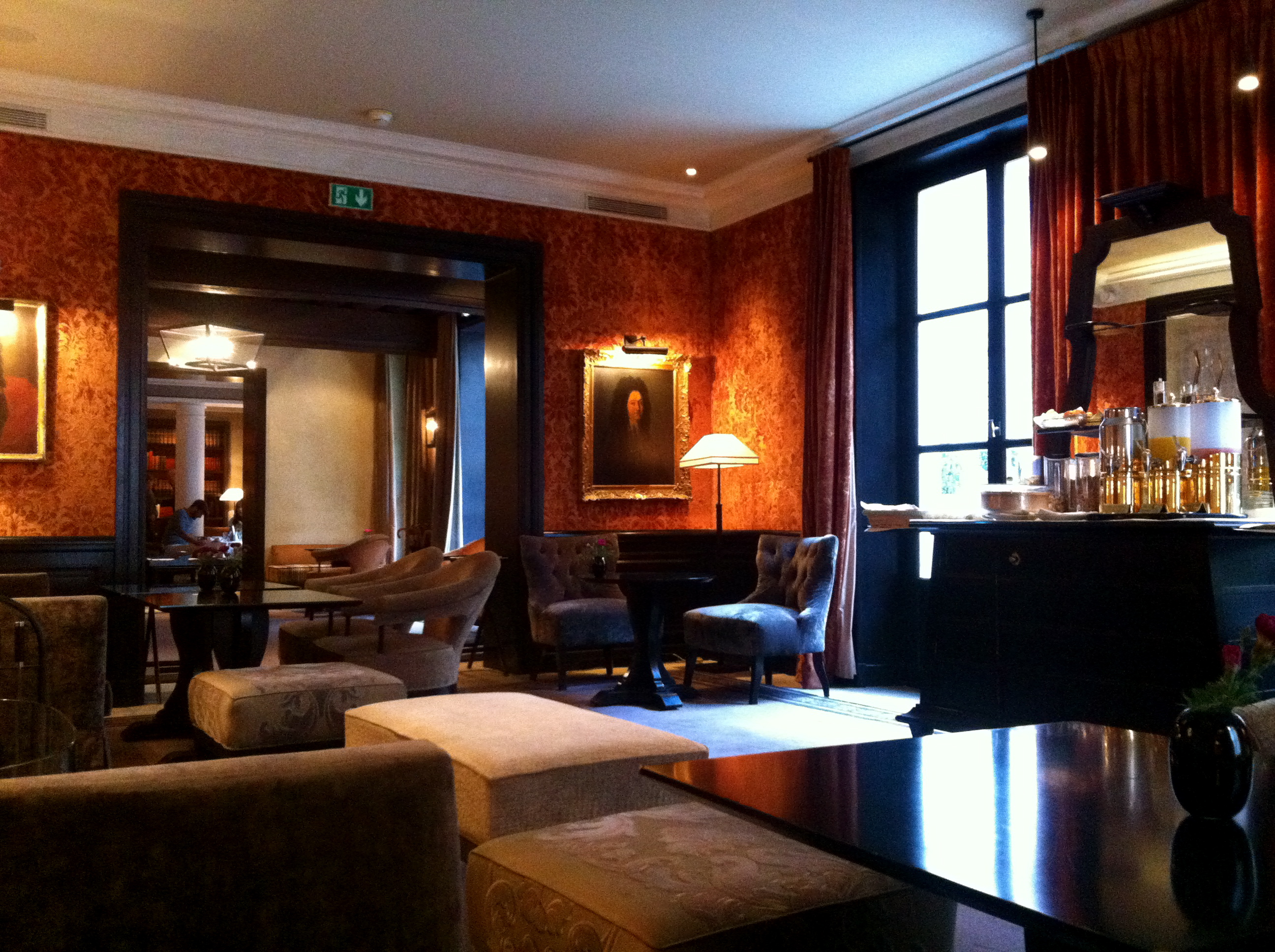
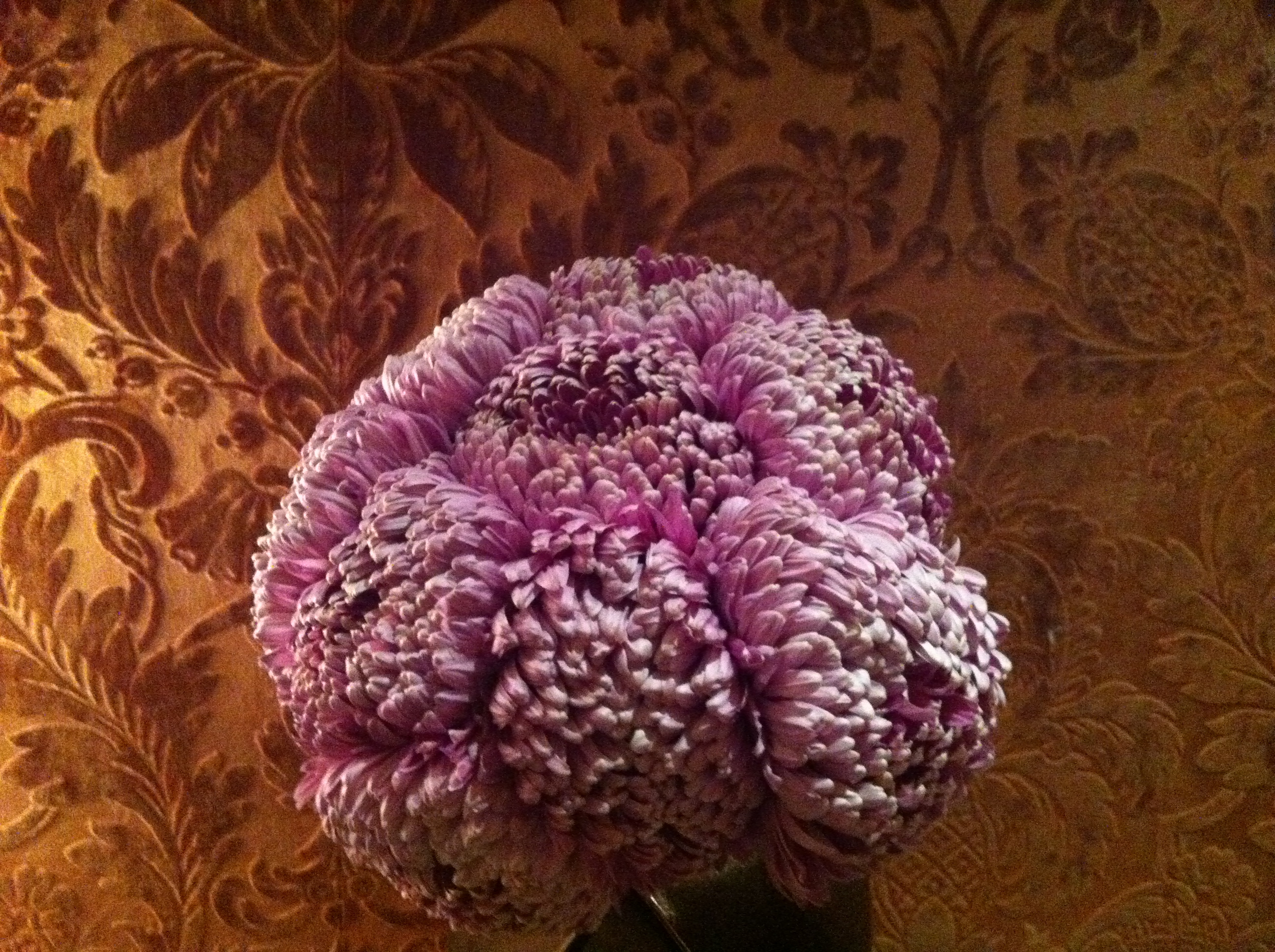
Constructed as a private mansion during the early 17th-century, the hotel is suave, elegant and layered in velvet, on the walls and over its furniture.

 The muted, earthy colours of autumn were all around.

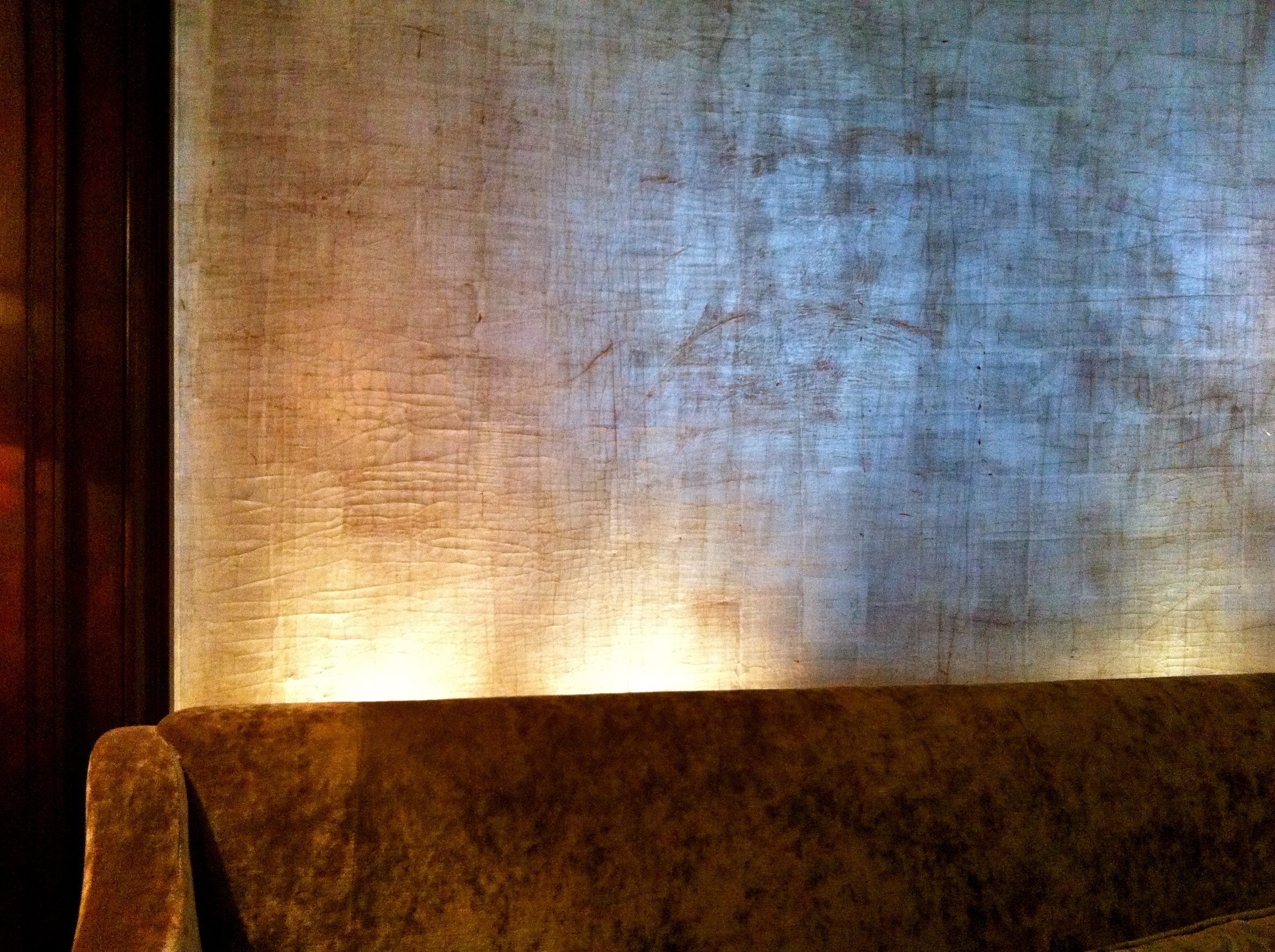
Why settle for mere drywall when you can transform a surface into crackling, shimmering art ?

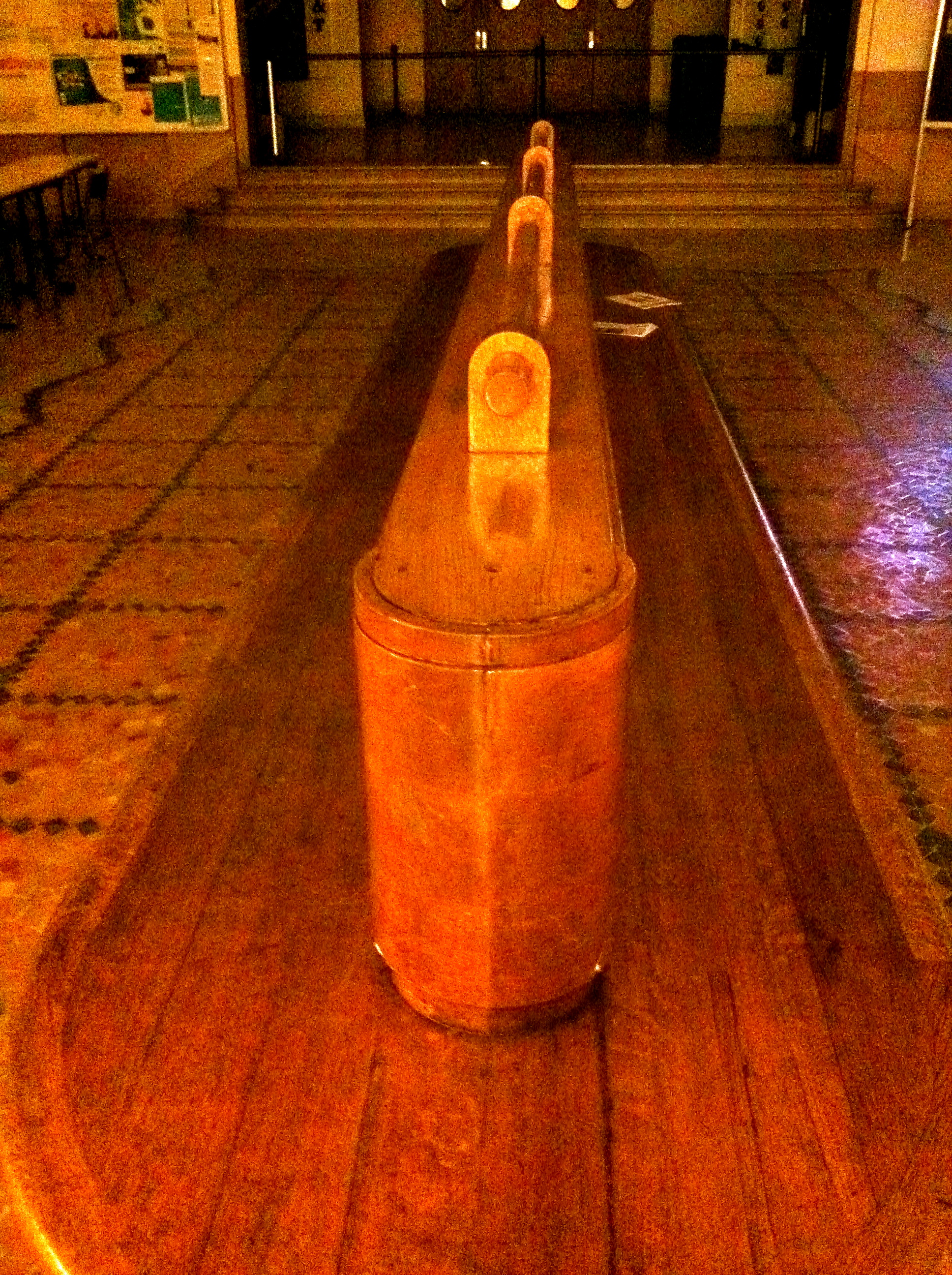
Every building needs a meeting spot. The wooden ‘peniche’ or barge where students still gather at my alma mater, L’Institut d’Etudes Politiques, a.k.a. Sciences Po, 27 rue St. Guillaume…right next door to the iconic Maison de Verre, designed by the early modern architect Pierre Chareau. 

Birthday celebrations at George, top of Centre Pompidou, with organic pods for private dining rooms.  Vintage sequined dress a friend bought for me at Bungalow, Kensington Market, Toronto. (I bought a silvery one for her.)

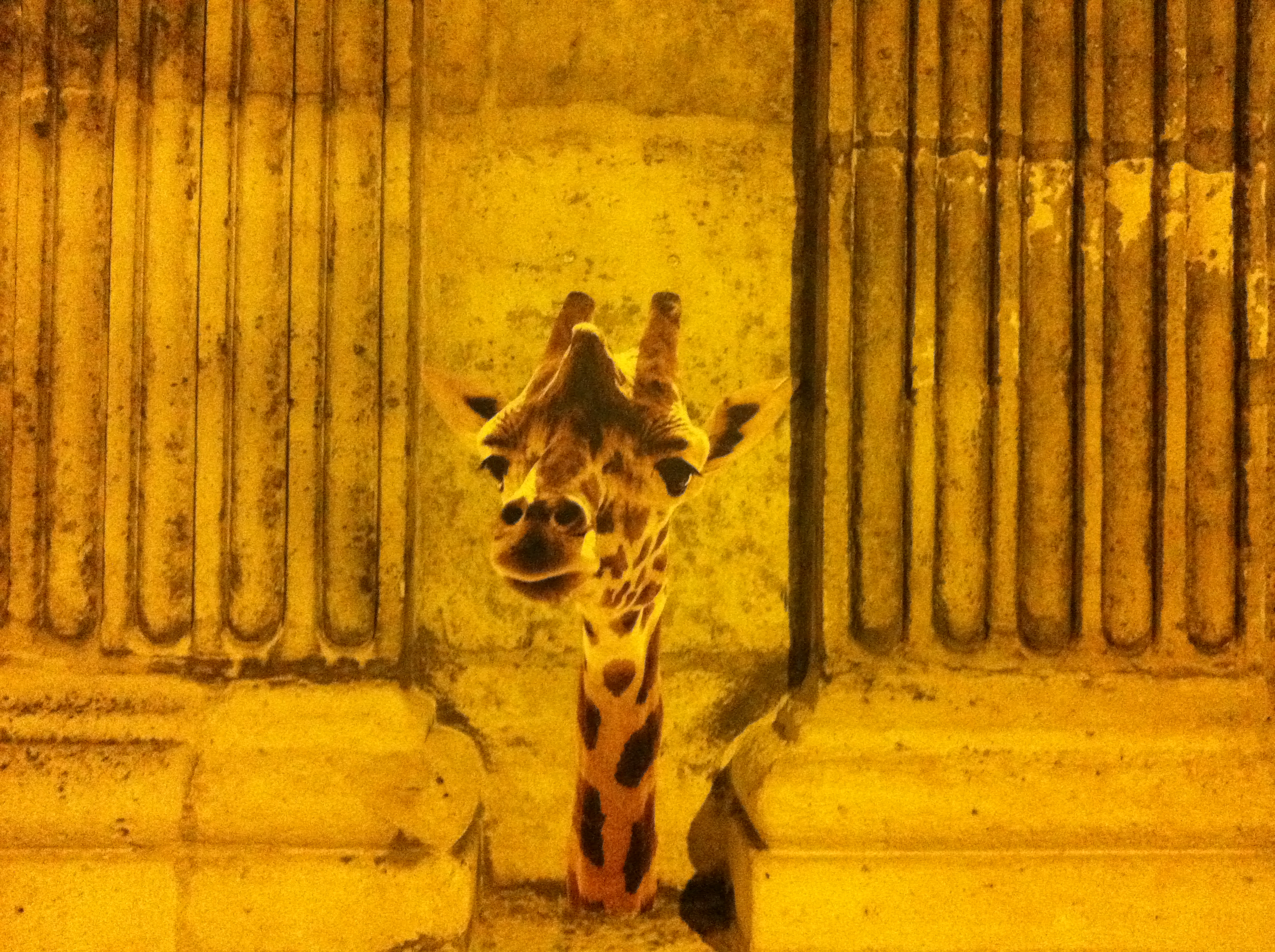
Third day back in Paris and I’m starting to notice the details that sustain the enchantment of a city.  Can you spy a spotted creature on this 17th-century archway?

 He’s watching you.

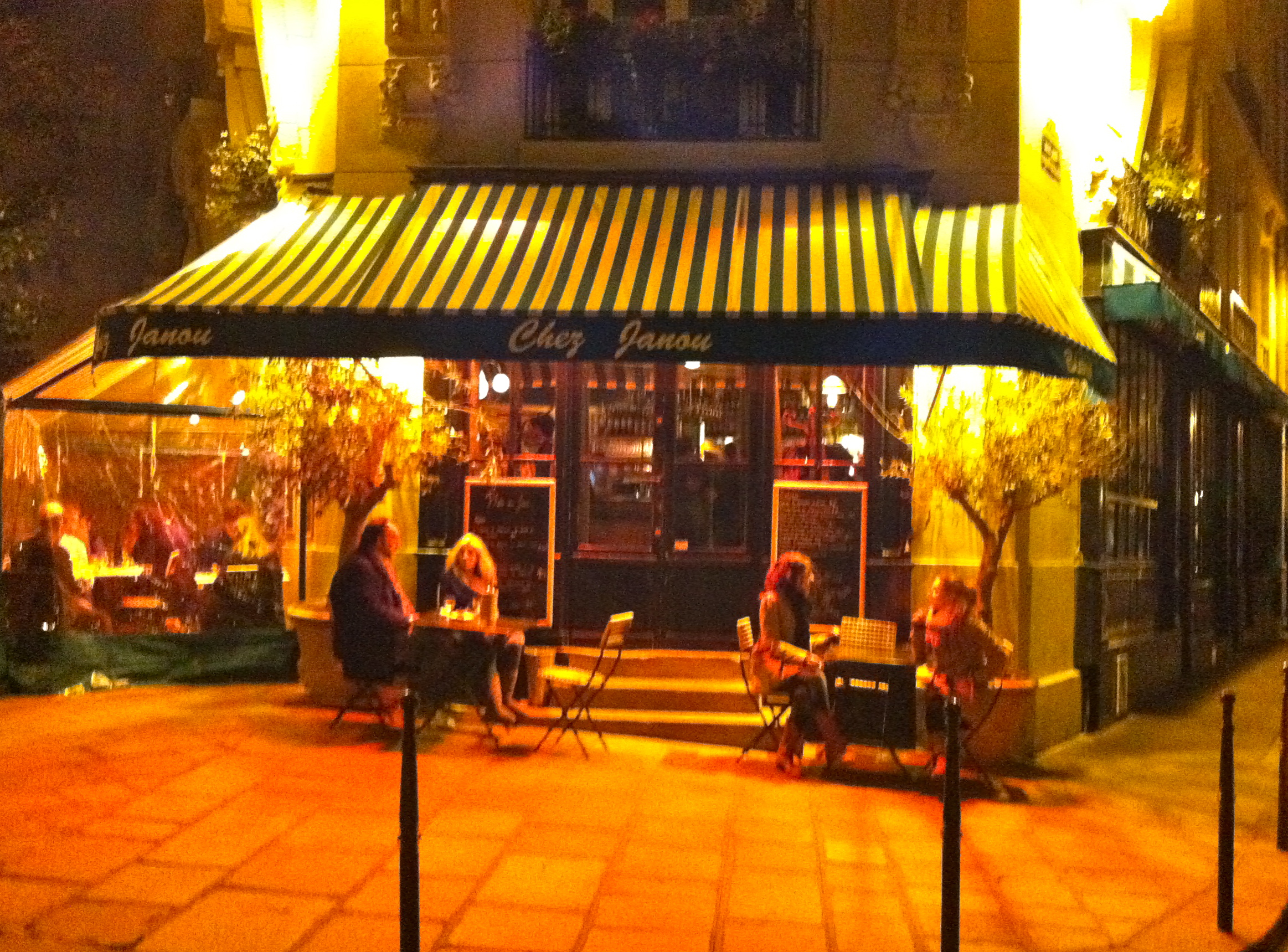
Chez Janou, an excellent Provencale restaurant, (absolutely packed even on a Sunday night) graces a rounded corner in Le Marais. The curve of the sidewalk, the striped canopy, the bistro tables all combine to make something grand of a small urban space. Which helps to explain why Paris is always hard to leave behind.

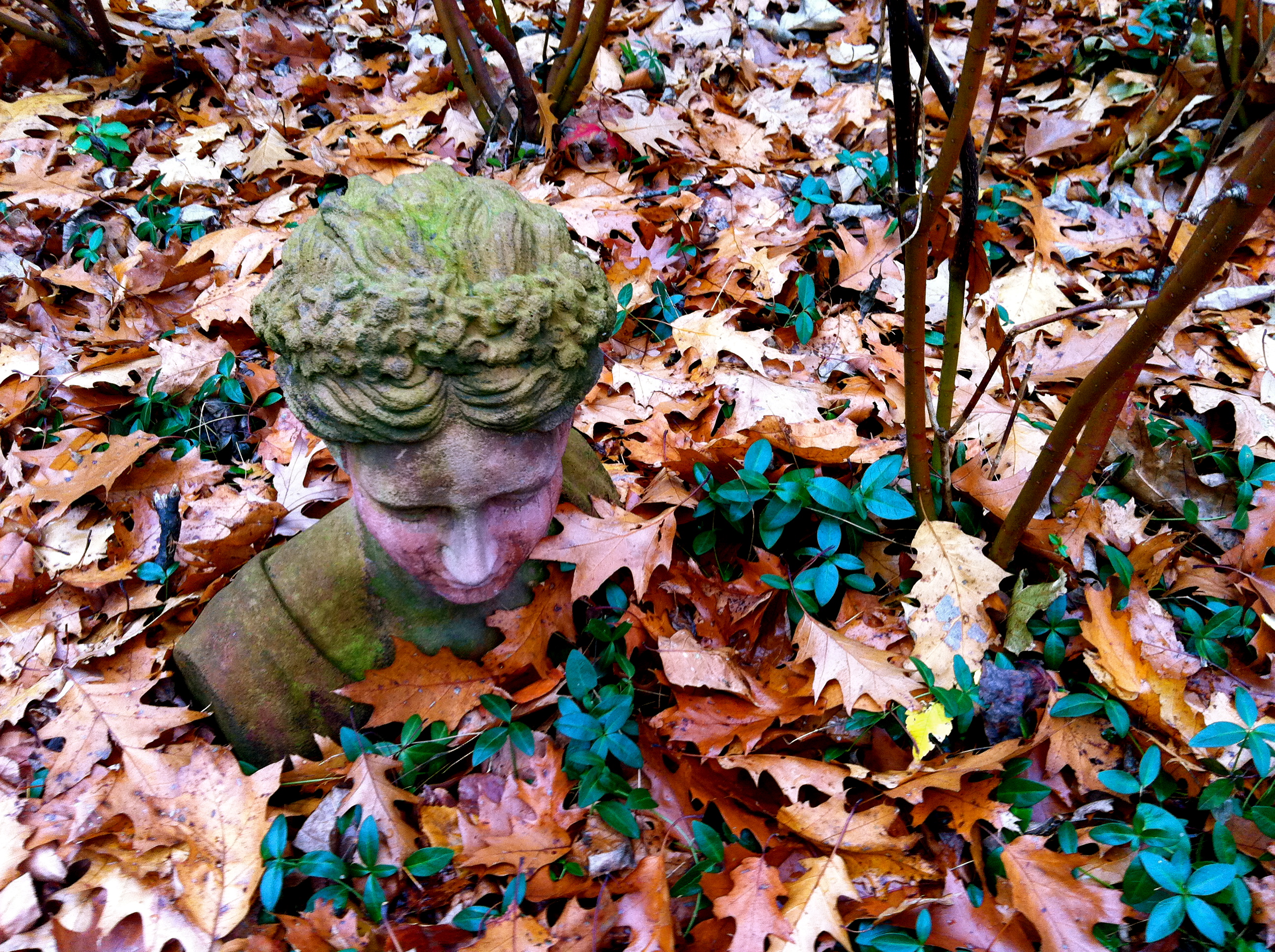
Autumn is all about the moshing up of layers and textures and weaving of cultures.  This Renaissance girl with a crown of braids – or is she a Greek god or a Wall Street activist ? – greeted me in the front yard today.  That got me thinking…about artful weavings…
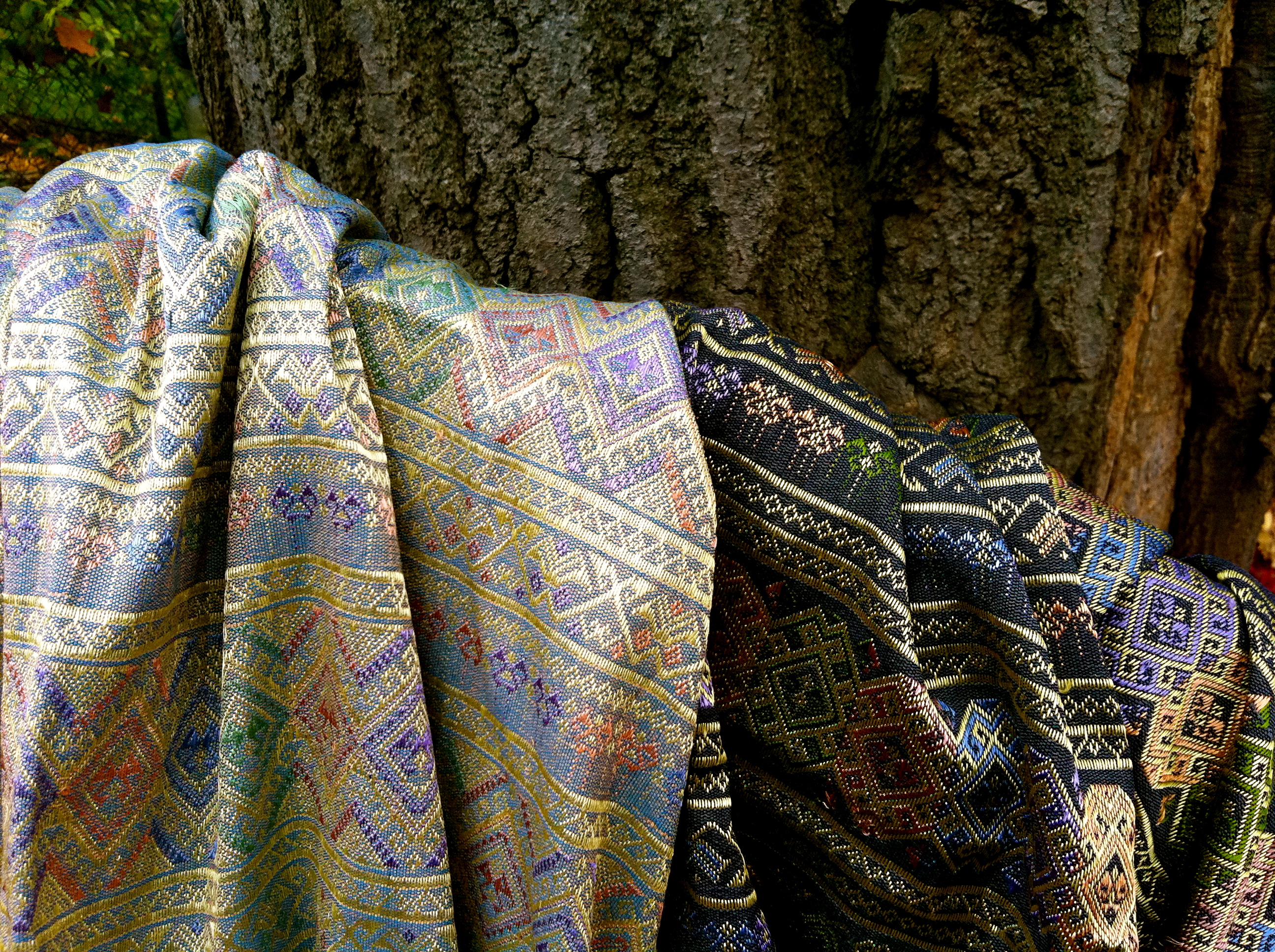
These textiles are like talismans to me. i brought them home from Kuala Lumpur.  They’re called Kebayas and the Malaysian Airline stewardesses wear them for their elegant uniforms.  Deeply coloured and heavy to carry, these fabrics left a trail of golden silk threads behind when I carried them outside to be photographed against a black oak.

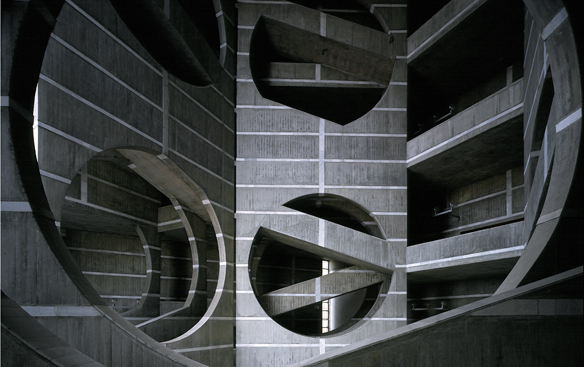
 This sari might have been woven out of these Japanese maple leaves.  But it was actually created by the amazingly talented sari weavers – unsung artists every one of them – in the muddy slums of Dhaka, Bangladesh.  Young architects took me there one afternoon during my trip to Dhaka to review the stunning National Assembly parliamentary complex by the great American modernist Louis Khan.  It was there, in a shanty room barely sheltered from the rain, that I tried on my first sari, and, later, back home, (in a very different world) wore it to the Maharaja gala at the Art Gallery of Ontario.

Another one of my most beloved saris from Dhaka hangs like a luminous veil in our rustic Canadiana room.  The pain-staking weaving of gold and silver brocade called Jamdani is unique to the Dhaka sari weavers.  The patterns of geometric flowers follow a 2,000-year old tradition and are created entirely by memory.  Now my Jamdani takes up pride of place in my home in Toronto, a city that embraces a healthy mosh-up of world cultures.