It’s time

To pour out

The sweeps and the slants
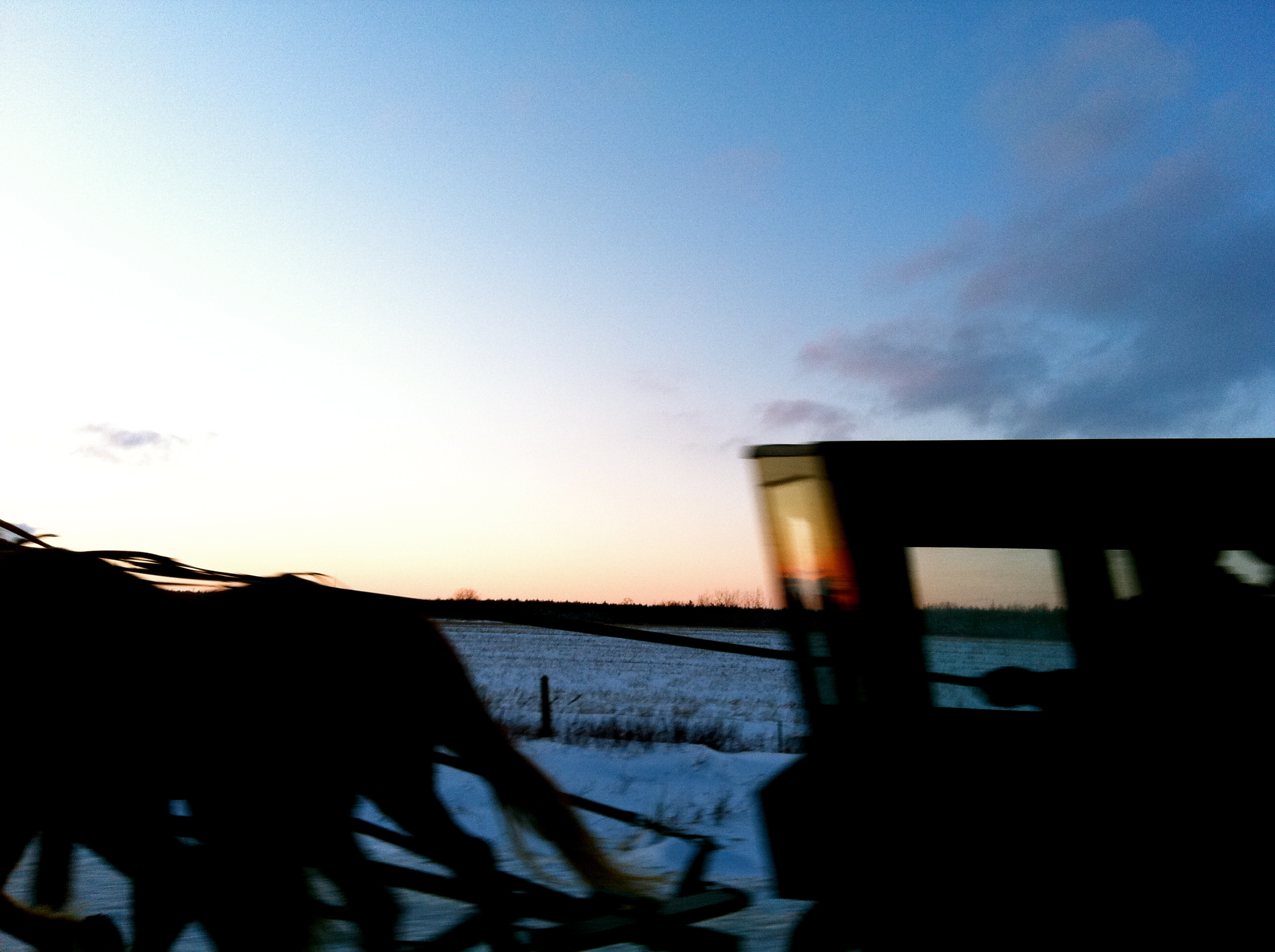
And the snow on the back roads, where the horses and buggies run
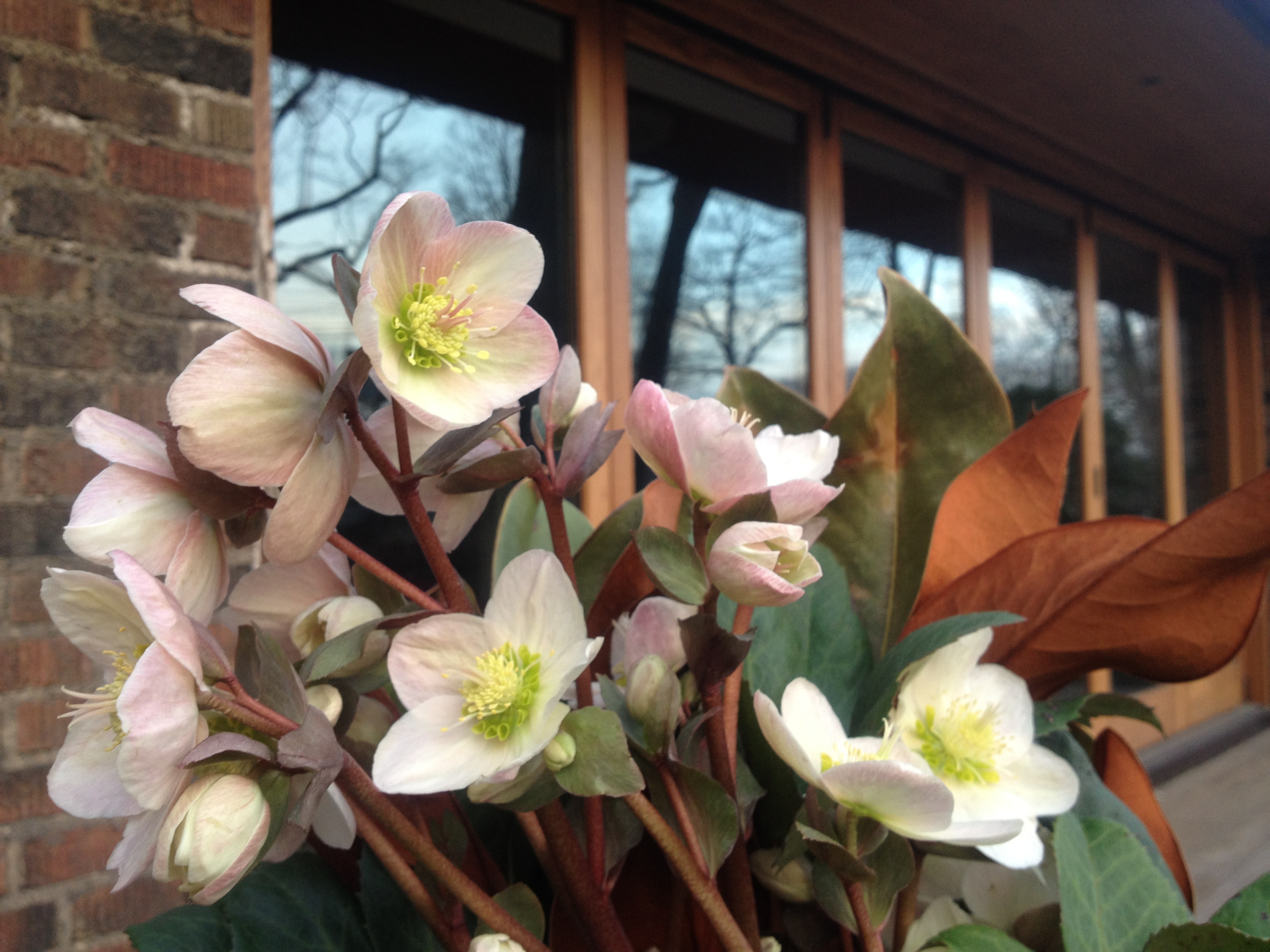
Because the Helleborus has blossomed
It’s time
To pour out
The sweeps and the slants
And the snow on the back roads, where the horses and buggies run
Because the Helleborus has blossomed
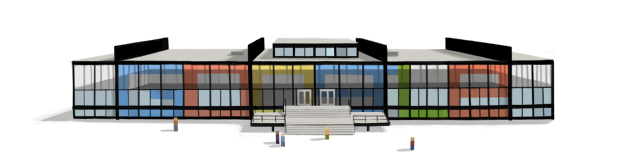
Today’s Google Doodle celebrates a great, ominously talented architect…it’s the 126th Anniversary of the birth of the modernist Mies van der Rohe. The Google image is of the German architect’s minimal design for Crown Hall (with its sweeping interior room) at the Illinois Institute of Technology on the south side of Chicago. Mies modernized ancient ideas of exquisite, unflinching logic, the embrace of courtyards and an honest use of the earth’s materials. Consider his Toronto-Dominion Centre as a modern-day Pompeii. His devotion to his principles meant repeating the same ideas of architecture in Chicago, New York and Toronto – and, in lesser versions, around the world. Today my blog background gets changed to Miesian black.
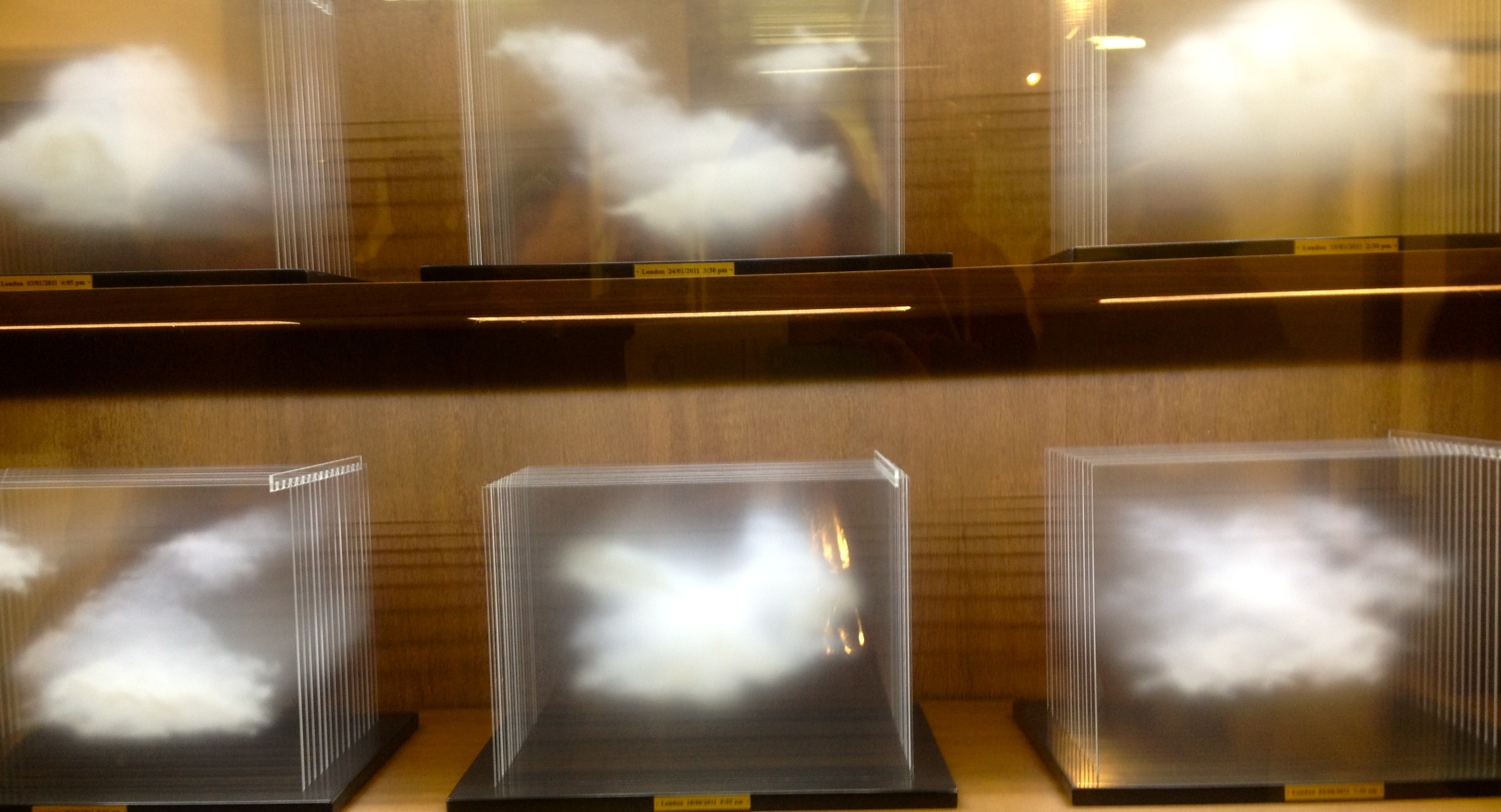
Last weekend, I went to NYC’s Armoury Show 2012 to see art from around the world, and found plenty by the South Americans to dream about: Fluffy mini clouds caught between layers of plexiglass by the Argentinian artist, Leandro Erlich. (Sold, apparently, for $65,000.)
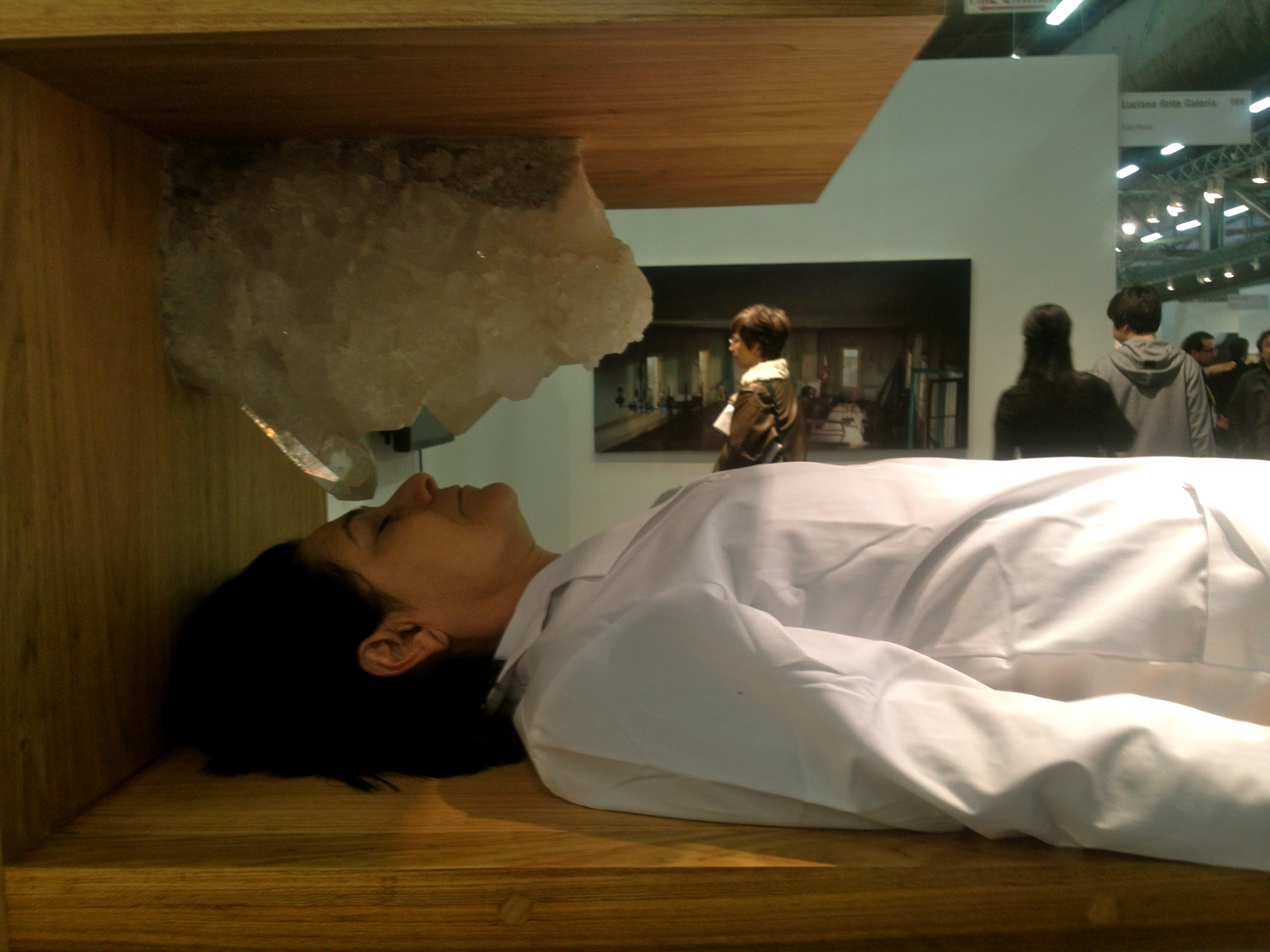
I thought she was made of wax, until I circled back after an hour and noticed that she was not merely still, but still breathing. Bed for Human Use, 2012, Luciana Brito Galeria of Sao Paulo, Brazil, as conceived and dressed by artist Marina Abramović. How do you install this – her – in your living room? And, would she agree to share that rockin’ crystal?
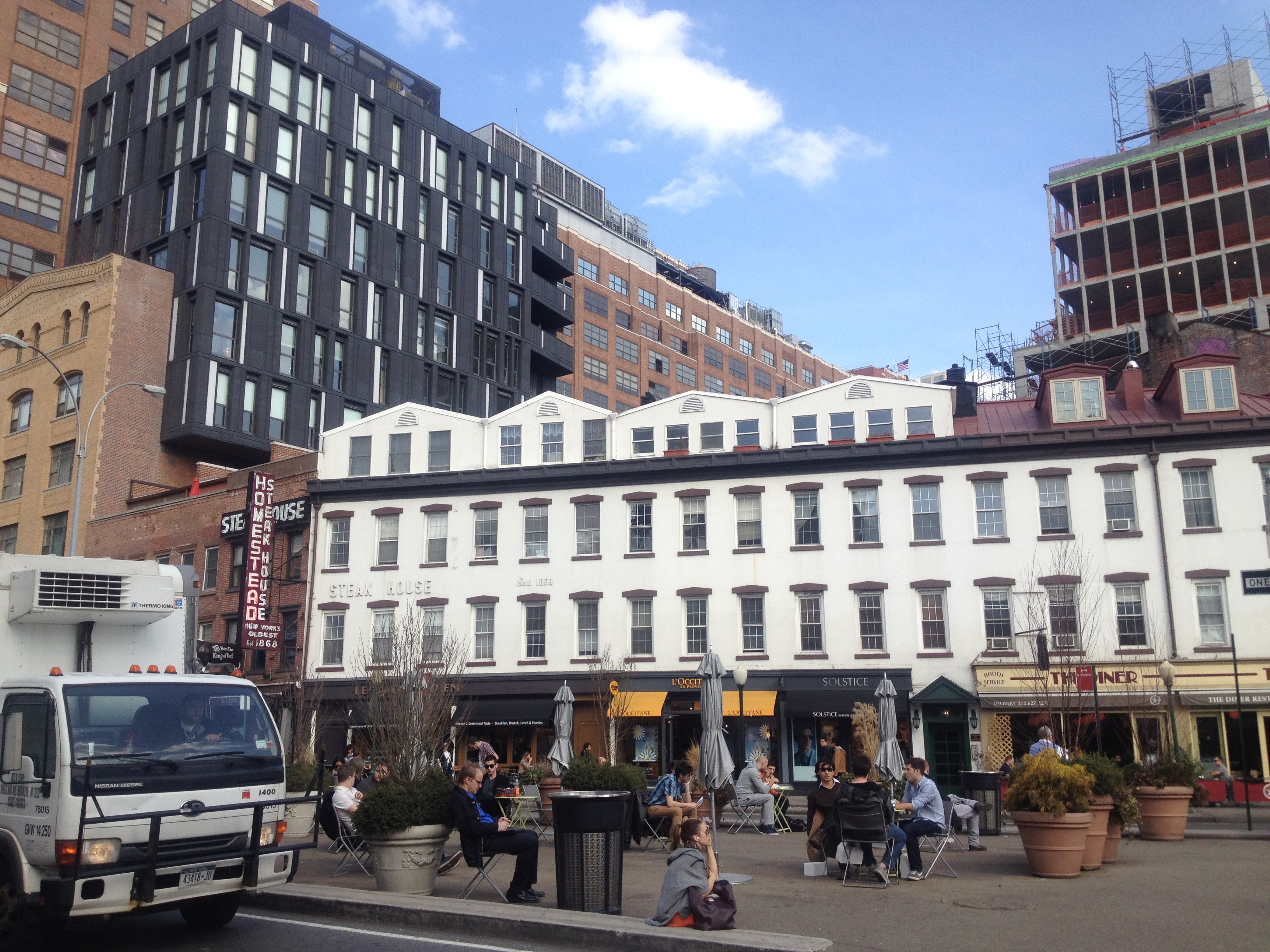
Travelled south along the Hudson River and discovered newly created public space in the Meatpacking District, where historic architecture still matters as much as contemporary condos and people are starting to matter more than trucks and cars. That’s the art of urbanity, and my pick for #3.

Across the street, there’s the radiant-cool Pastis restaurant, where New York and Paris artfully intersect, and wine comes in glass tumblers and the bartenders rarely smile even if the arugula salad is divine.

Look up and around and you’ll find work #5: grafitti and collage laid on thick on a wall in the Meatpacking District, 2012.
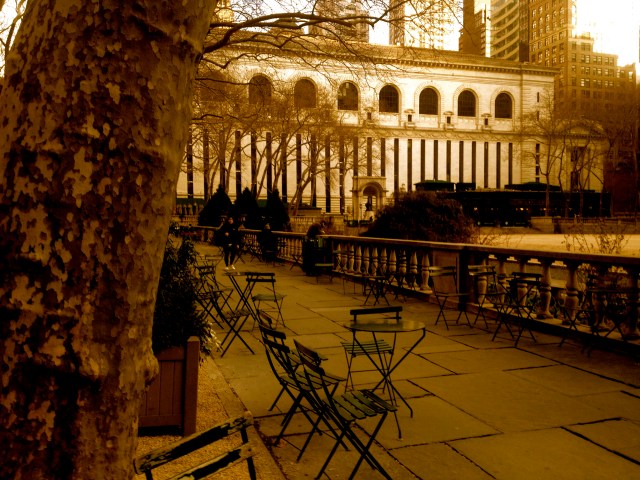
Late afternoon, Bryant Park at 42nd Street: an artful arrangement of Plane trees, sage-green chairs (just like the ones in the Jardin du Luxembourg) and the Beaux-Arts symmetry of the New York Public Library by Carrere and Hastings architects. Another reason to stand up for cities, then sit down and luxuriate in the middle of artwork #6.
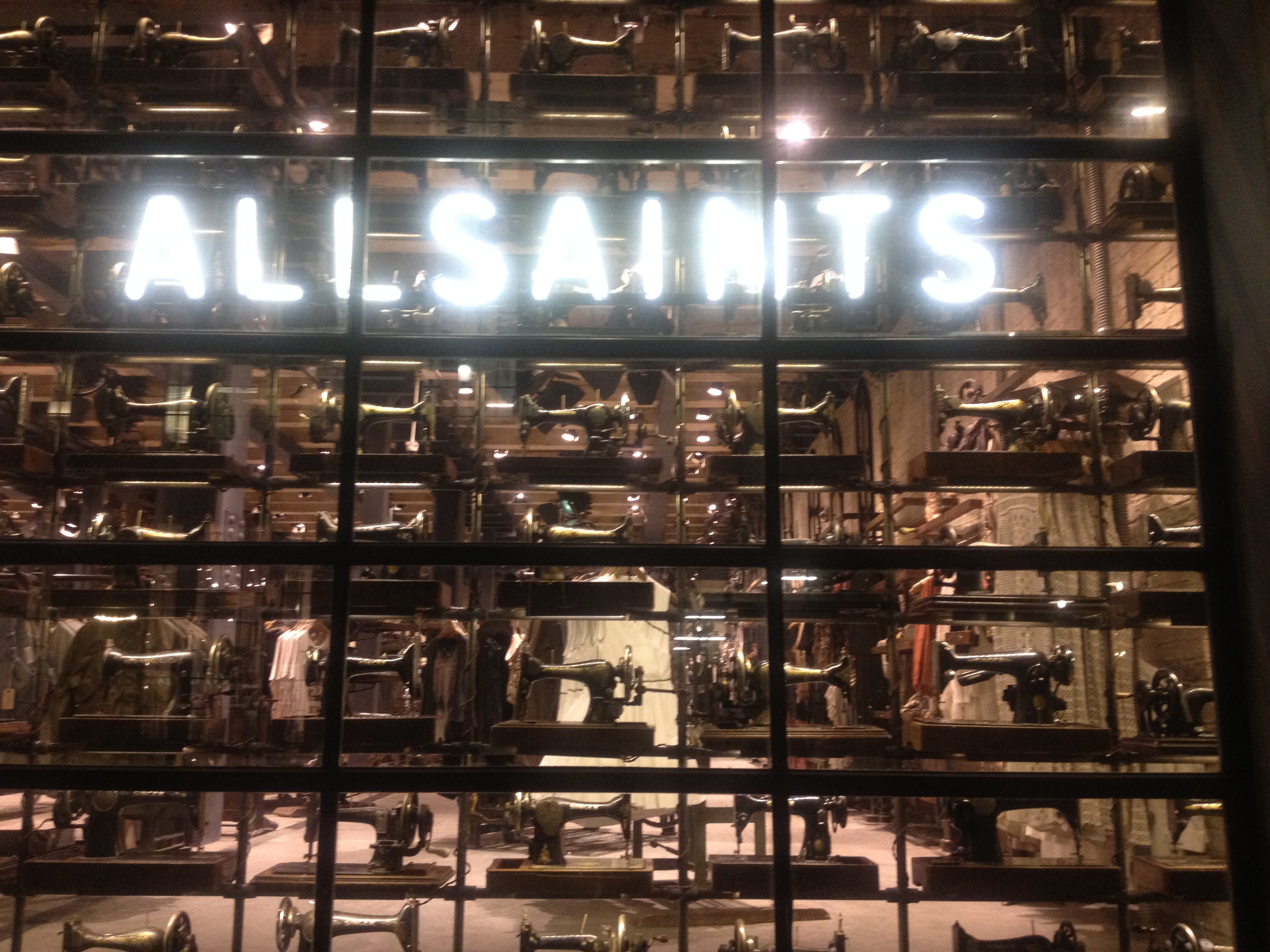
Why does New York’s Meatpacking District draw masses of people to it? Because of all the collisions of culture still happening there. The butchers and packers in white smocks are still at work in their brick factories. There are edgy, industrial-looking boutiques like All Saints. And, not far away, on 14th Street… Alexander McQueen, Carlos Miele, Diane von Furstenberg…and, until last month, Stella McCartney who has moved to Soho – where the rents are cheaper.
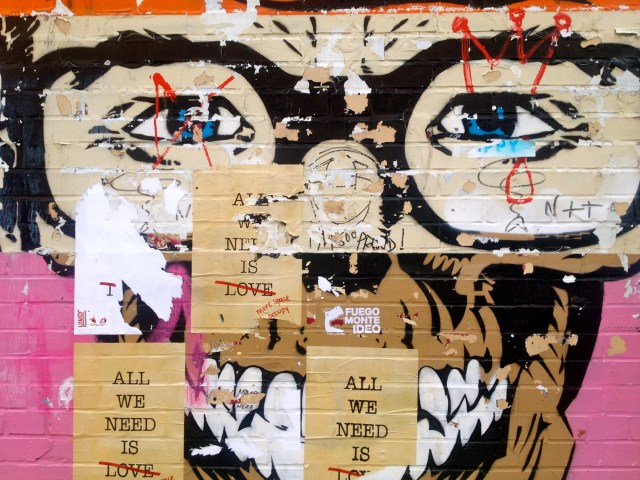
There is street art that The Pace and Mary Boone Gallery on 5th Avenue should collect. Don’t sterilize this away to please the clubbers, or the growing ‘South Beach’ crowd that swarm the Meatpacking District on Friday and Saturday nights.
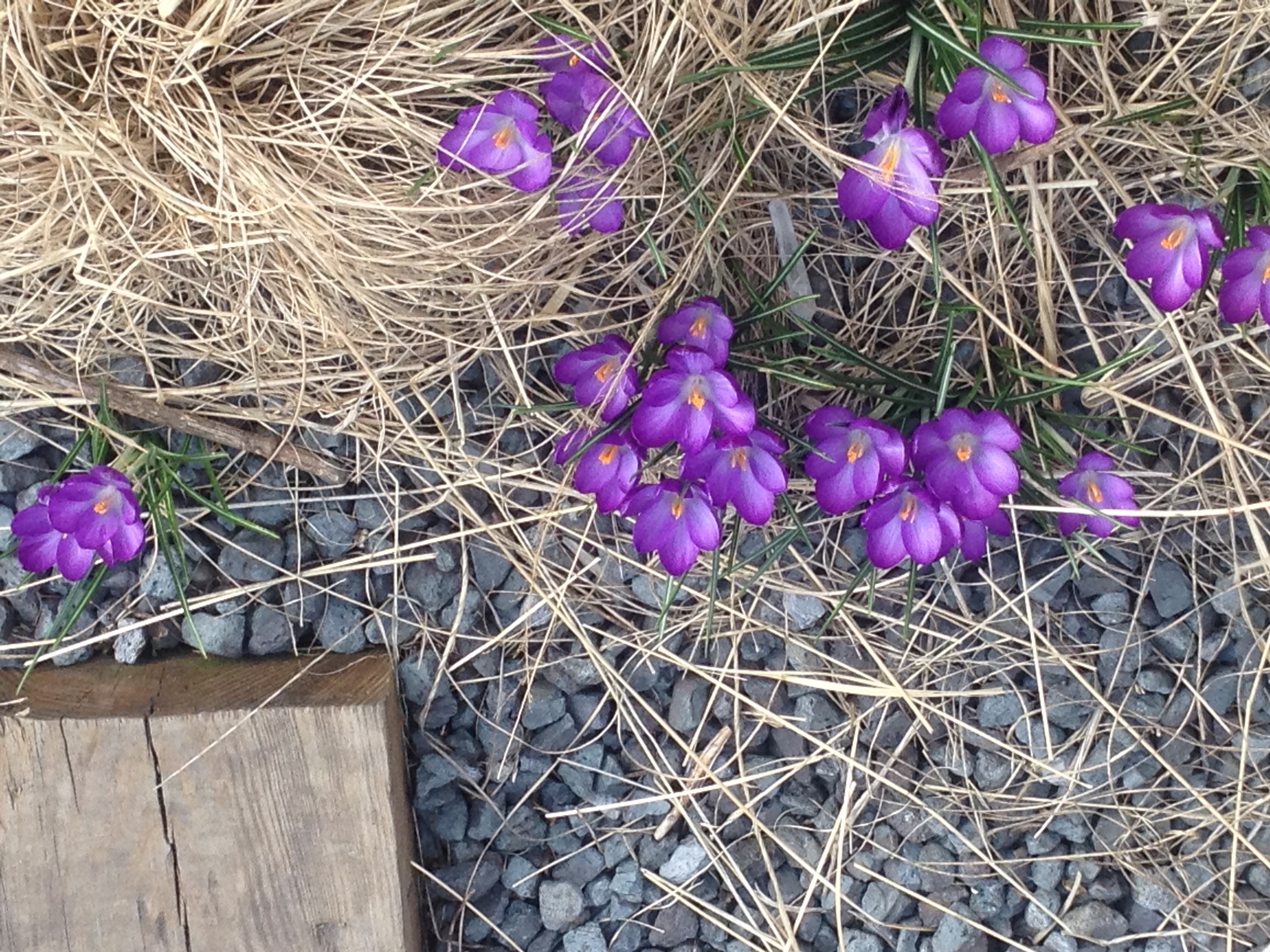
Of course, there’s the powerful pull of the High Line, once an old elevated freight line, now transformed through design to become one of the most magnetic new public spaces on the planet. That’s where I spent the last couple days, joining the spectacle of people. Where art collides with history, and spring appears to arrive in techni-colour.
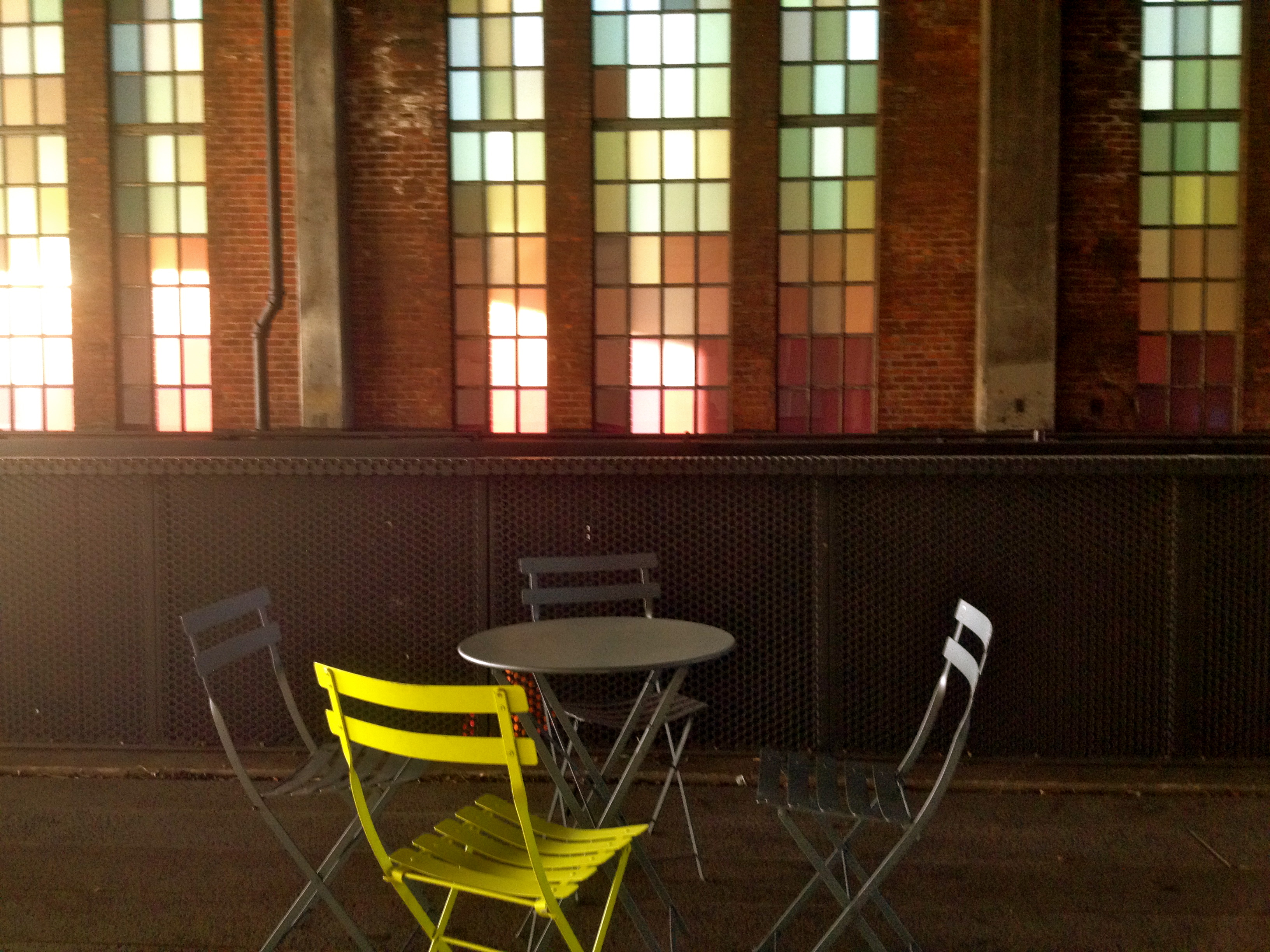
Shelter from the wind. Countless sound and visual experiences happen as you walk along the High Line, like this one: artist Spencer Finch’s “The River That Flows Both Ways”, panes of glass based on a single pixel point taken from a day’s shooting of the Hudson River.
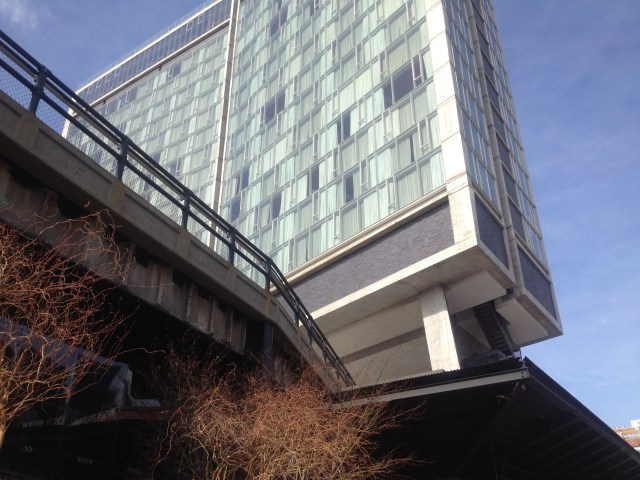
A hotel that opened with impeccable timing over the High Line three years ago, The Standard looks like a vintage inn – nicely done by Polshek Partnership – hoisted up and over the High Line.

Morning dawns golden at The Standard Hotel. Interiors by Roman and Williams of NYC.

And, no, despite what the weather man was warning, it didn’t rain.
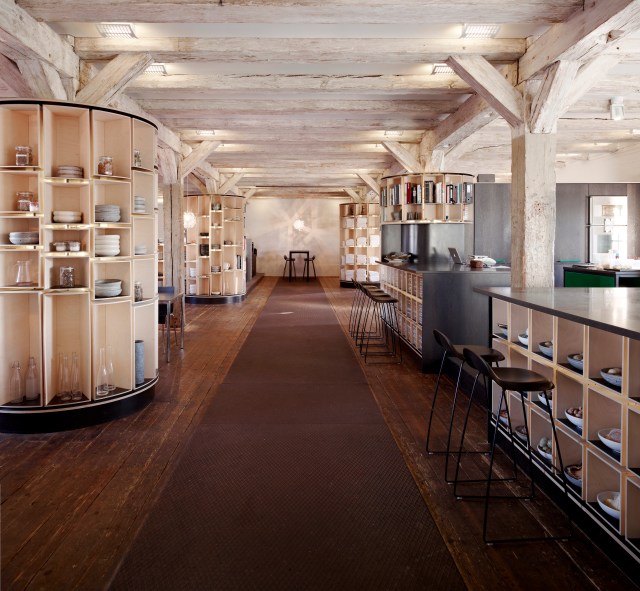
For foodies, Noma is known – and ranked on theworlds50best.com – as the best restaurant in the world. Actually, it’s an investigation led by its head chef René Redzepi of authentic Nordic cuisine and original sources: Icelandic skyr curd, halibut, Greenland musk ox, berries and purest possible water. But what if you trek across the world, arrive in the heart of Copenhagen, jump on a bike, pedal like mad and miss your dinner reservation? Still hungry? You might try your luck at the just-opened Noma Food Lab, a place of experimentation with locally-grown and foraged food.
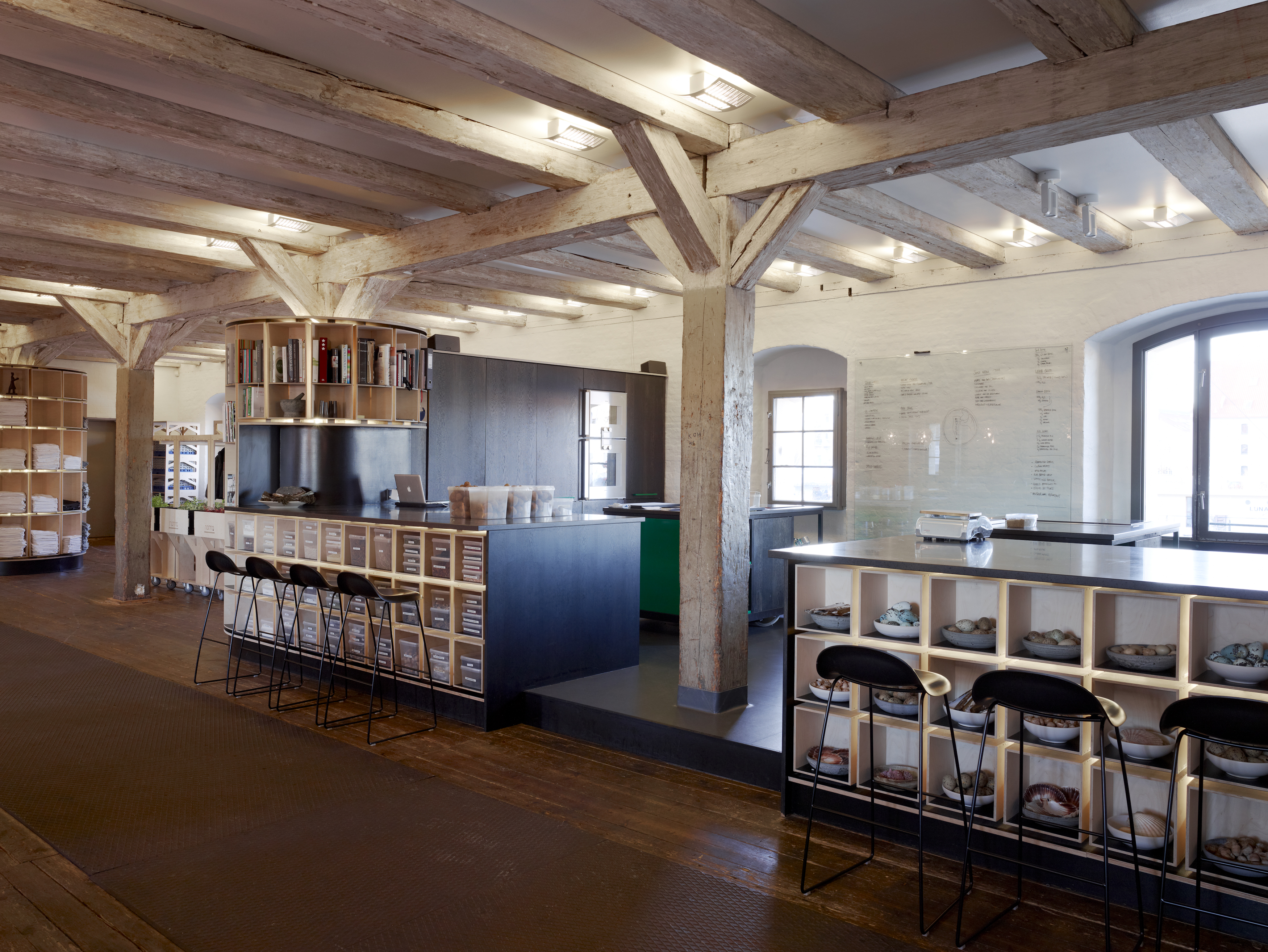
A palate of silver-ice, Nordic wood and dark historic flooring makes for a sublime combination, as imagined by Denmark’s 3XN architects and interior designers. Actually, the design was led by Kasper Jorgensen, head of the 3XN’s innovation unit, who spends his days testing materials for endurance and thinking about ways to upcycle buildings rather than merely demolishing them.
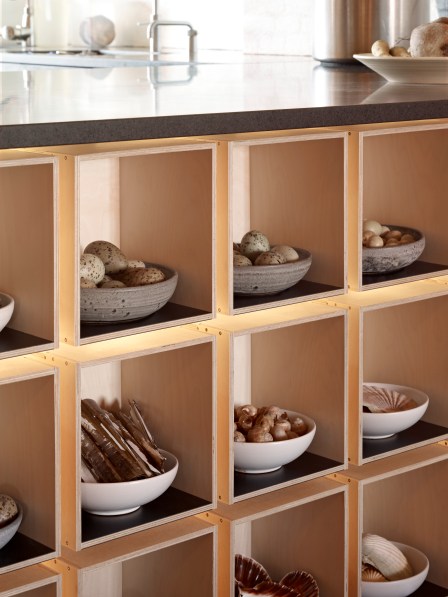
Noma Food Lab is set in an 18th-century heritage warehouse, not far from the original Noma, so the designers were required to deliver without banging a single nail into the walls or floors. Instead, they innovated a series of stacked wooden cubes made of Nordic plywood that rest on the historic floors. Are they really planning to crack open those blue speckled eggs?
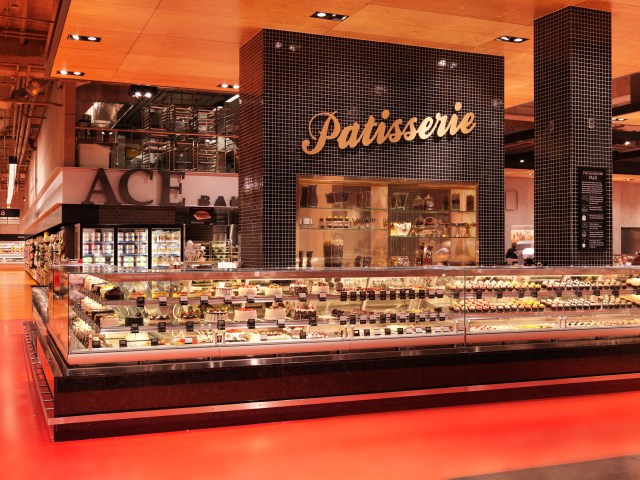
One of the things I try to avoid in life is shopping at a grocery store. Which explains why I still order most of our groceries from the awesome “Vincenzo’s” family-owned grocer on the Danforth in Toronto. Mr. Vincenzo cures his own prosciutto and invents his own spicey chicken sausages. His wife, “Sam” still works the cash. Their high-energy daughter, Mary, a fabulous chef, has advised countless times on what to serve at raucous kids’ birthdays or fancy dinner parties. The boxed groceries are delivered (for free!) by the gracious Al. I’m sticking with Vincenzo’s…but as an alternative it’s actually exhilarating to shop at the newly opened Loblaws at Maple Leaf Gardens in downtown Toronto. (Pics by Trevor Mein.)
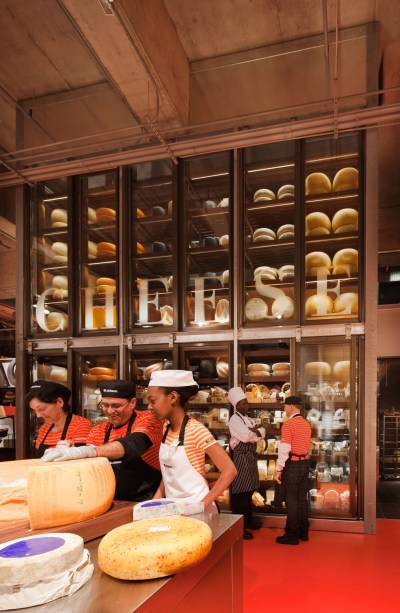
Pure foodie joy has been designed into this monumental space – what used to be, of course, the Art Deco home of Rolling Stone concerts and hockey played by the Toronto Maple Leafs.
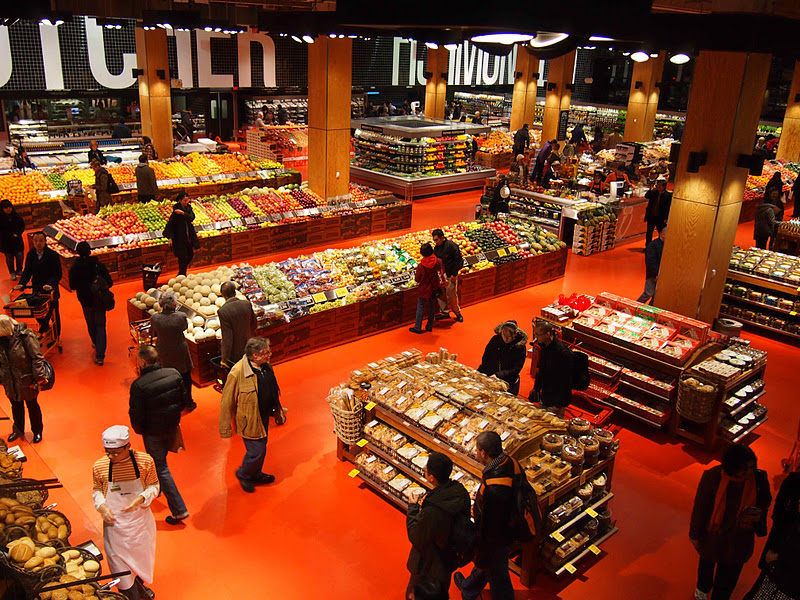
Unlike the cerebral Nordic aesthetic at Noma, there are lots of reds and oranges to whet the appetite at Loblaws. Get this irony: the flagship store, within one of Canada’s erstwhile cathedrals of hockey, was designed by an Australian…nicely done, by the way, by Mike Landini of Landini Associates. The cheap, shiny plastics used in most supermarkets were replaced with enduring materials: concrete, stone, white marble, ceramic tiles, and wood as well as a lighting scheme that plays up natural shadows. Feels deliciously civilized here. Go Leafs !
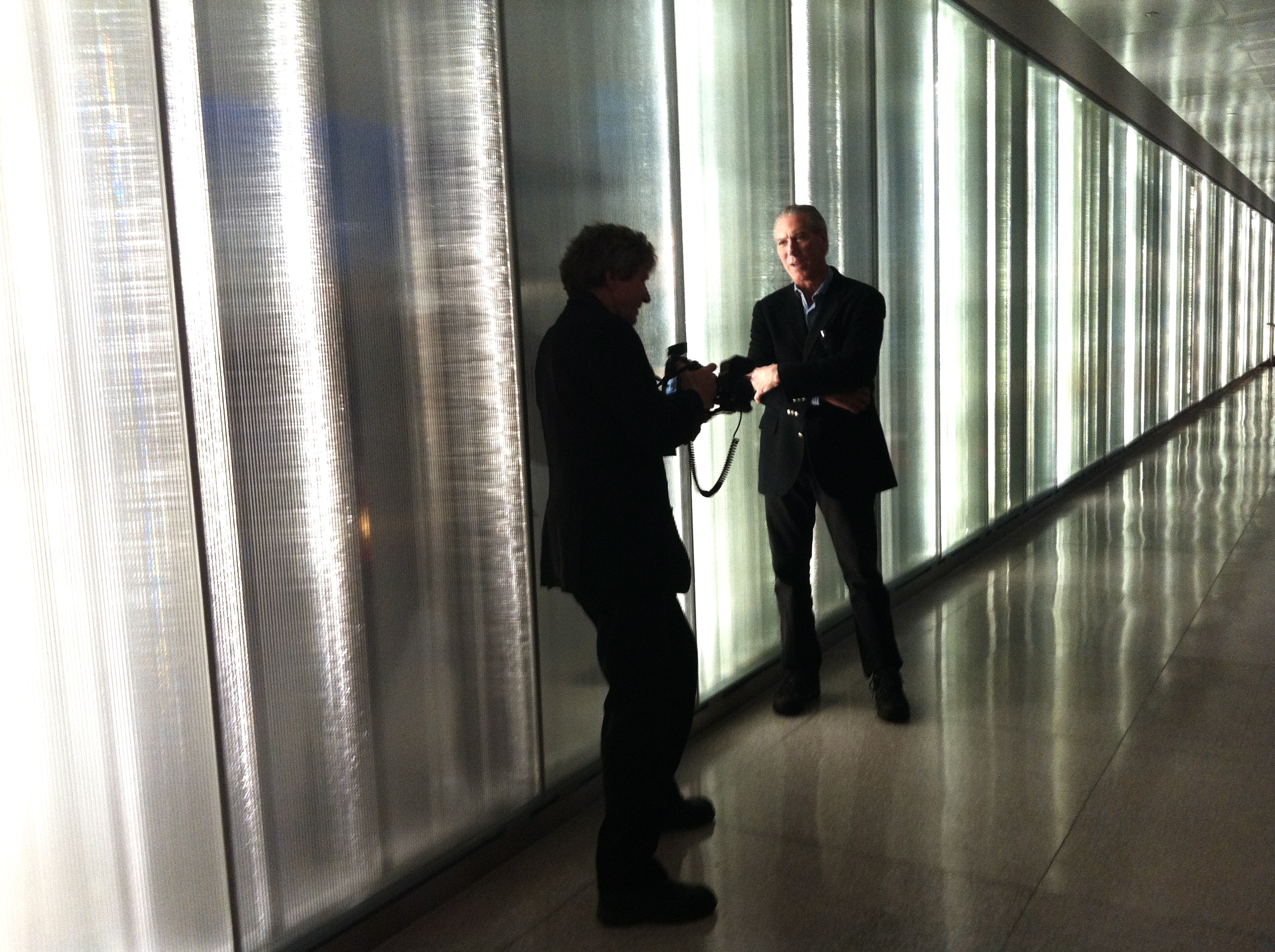
Because northern cities are Vitamin D deficient, artful weaving of light is not only critical, it’s life giving. For a pedestrian bridge in Toronto’s south financial district, New York light artist James Carpenter cast silver-golden sequins of light across a long, north wall. Something to wear as you’re walking by.
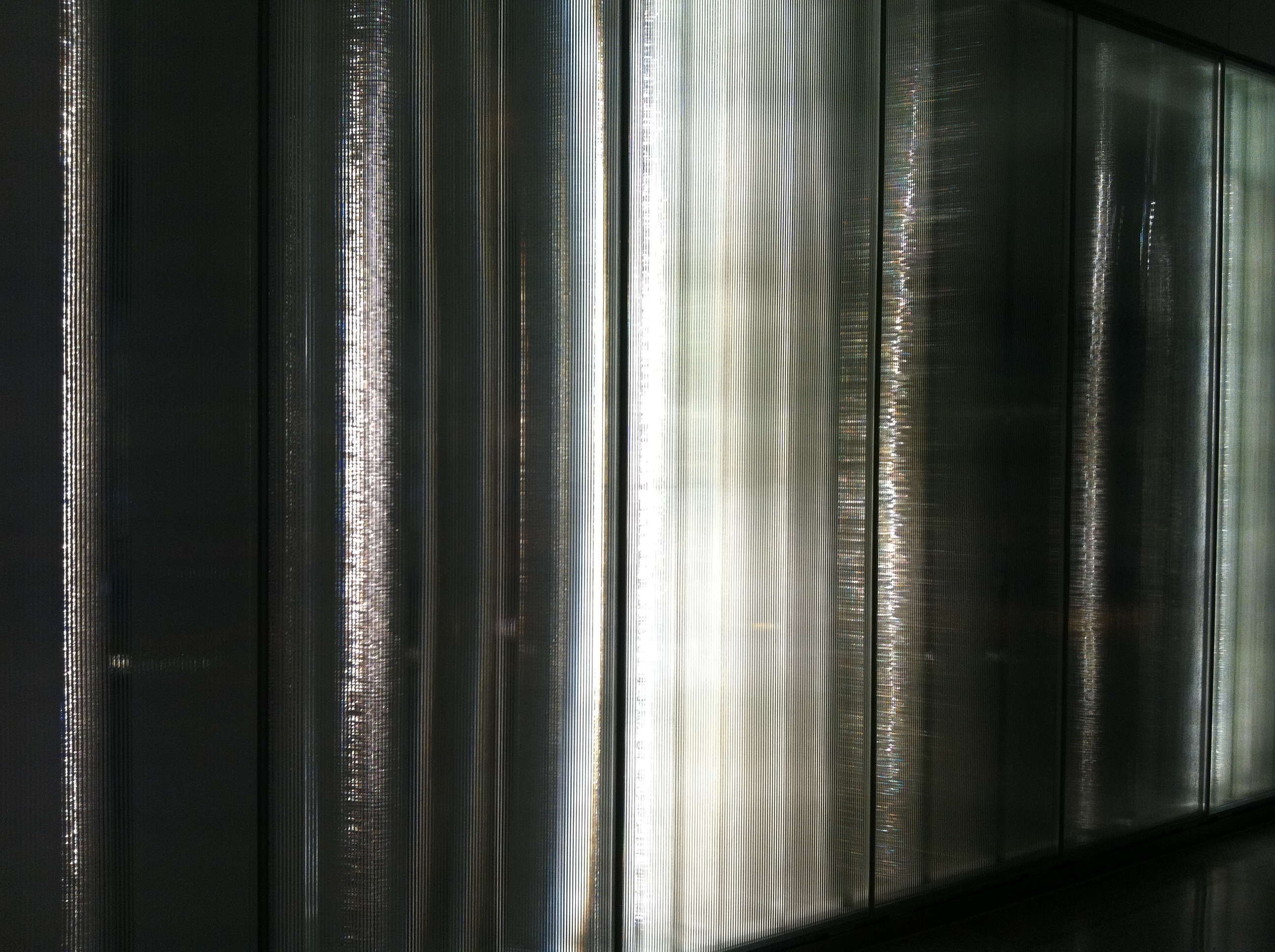
Somebody please assign Carpenter to work some cinematic magic on one of the 132 towers now being developed for Toronto. Because they will surely need his help. For more on what sculpting with light means, visit the SOM/James Carpenter 7 World Trade Centre, which has already elevated the future of Ground Zero.
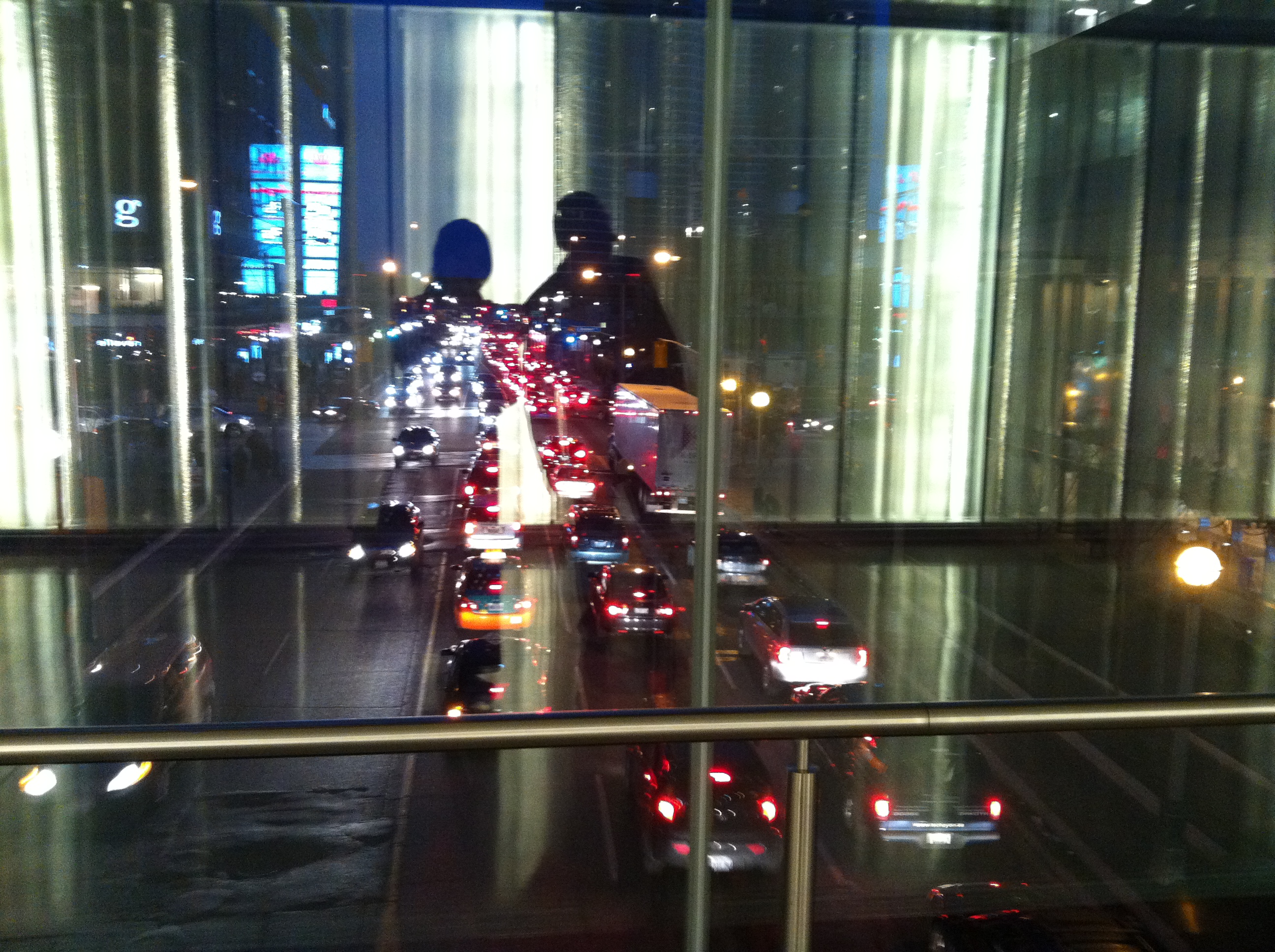
Tones of sepia from Carpenter’s light wall reflected onto commuter traffic in Toronto, where red brake lights finally serve an aesthetic purpose. Both calming and buzzy, (and I’m sure David’s Tea has a label for that one.)
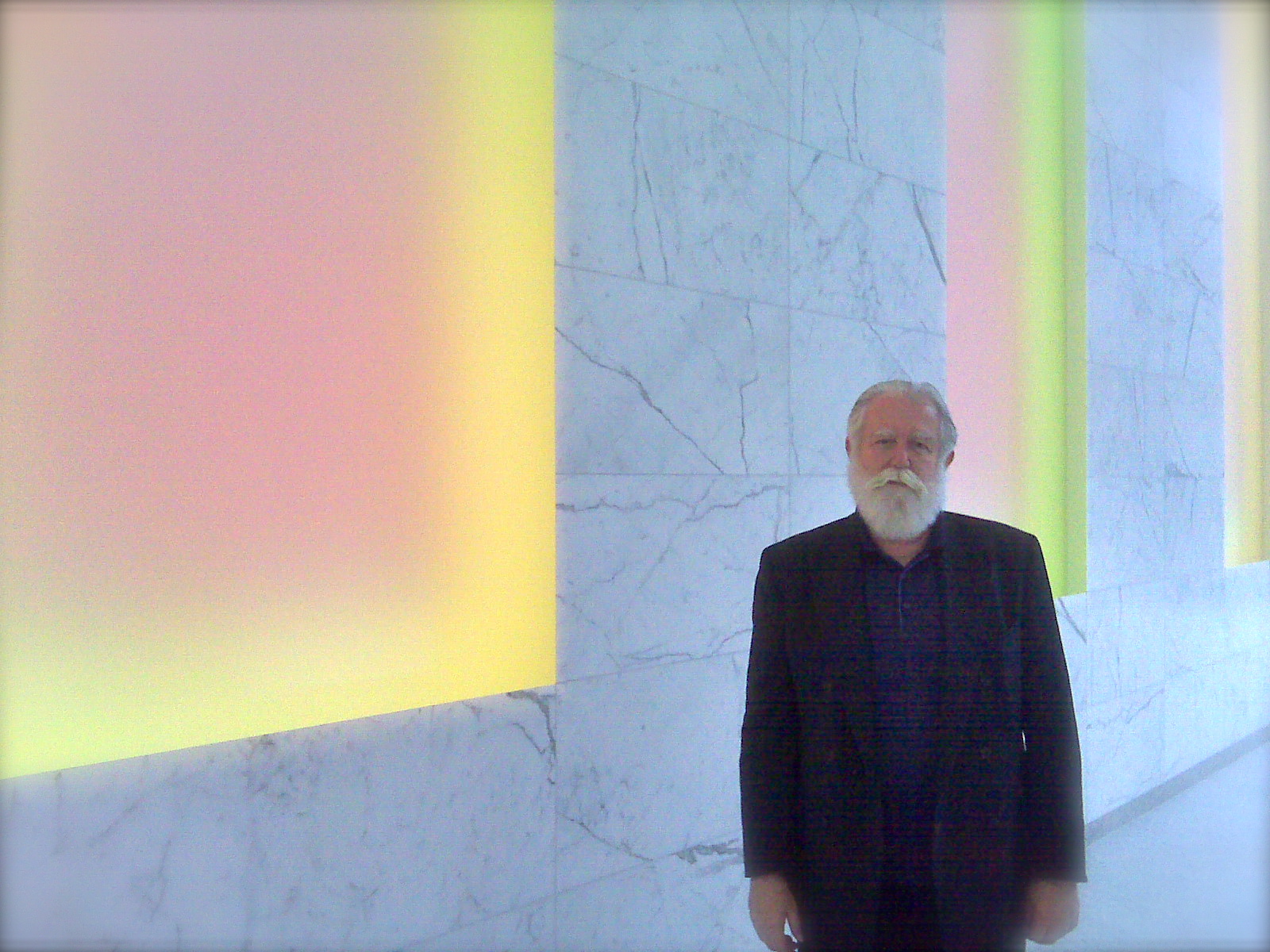
My hero of ethereal light: James Turrell, maker of the monumental Roden Crater installation and, here, next to his light wall at Bay-Adelaide Centre in downtown Toronto. For those curious about the subtle disappearance of colour this one is worth a pilgrimage. And it’s easier to find than an ancient volcanic crater in the desert near the Grand Canyon. Though I’m going to get there. Photo: Barbara Astman
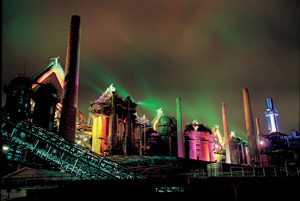
Post-apocalyptic steelworks re-imagined by light artist Hans Peter Kuhn, the guy who did large-scale urban light first and best. The Volklinger Hutte is a World Cultural Heritage site. Kuhn’s symphony of colour light shows us why.
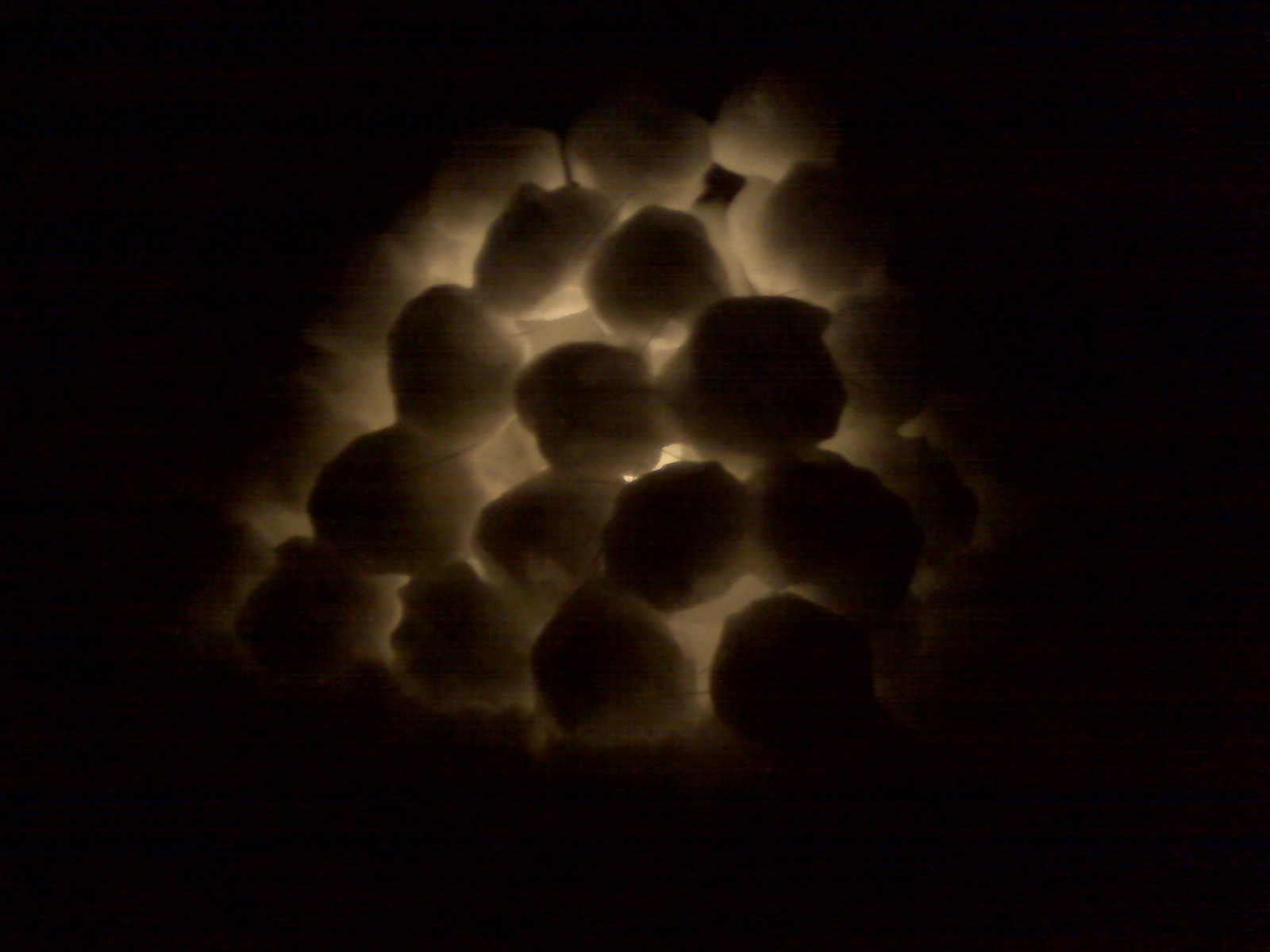
Even as a flicker, light illuminates. Considered as a measure of grace or as an up north street light: Snowball igloo, lit by a candle, made by freezing hands.
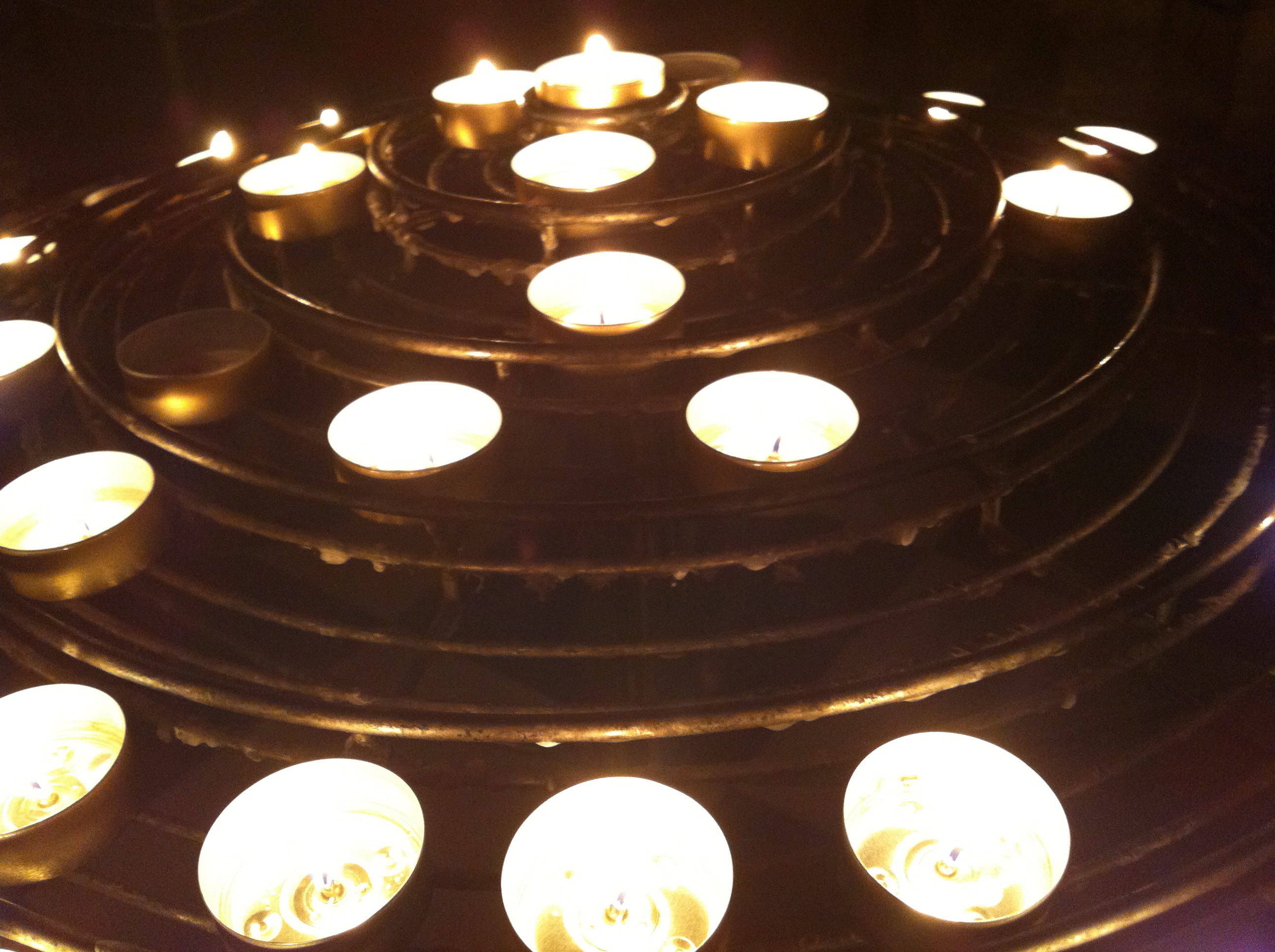
In the lugubrious shadows of a cavernous church: Prayer candles, Basilica of Santa Croce, Florence. Still burning hot. Still mesmerizing. Or, as James Turrell says: “Like the wordless thought that comes from looking in a fire.”

Gestures of love take time to imagine and create. So, to honour the time that it takes to create beauty, I’m renaming Valentine’s as Valentime’s. Like this table made one summer at the cottage by my son, Alexander. Every stick was selected from the North Kawartha forest, measured for scale and texture, then cut to size and secured with tiny, delicate dowels. Not a single nail was used. Rustic and honest, it seemed the perfect plinth for the Venus de Milo-style dark chocolate and golden goddess (made around the corner by the chocolatier Sharon Shoot), presented by my romantic man this morning as part of our 24 hour Valentime’s.

My version of Valentime’s means not only honouring each other, but spending time looking up and being amazed by all that grows beautiful on this planet of ours. Stake your claim to love. Make your mark on the Canada Kiss Map. Happy Valentime’s!!

Nature’s veil: Sea fan and Geneviève, Nevis.
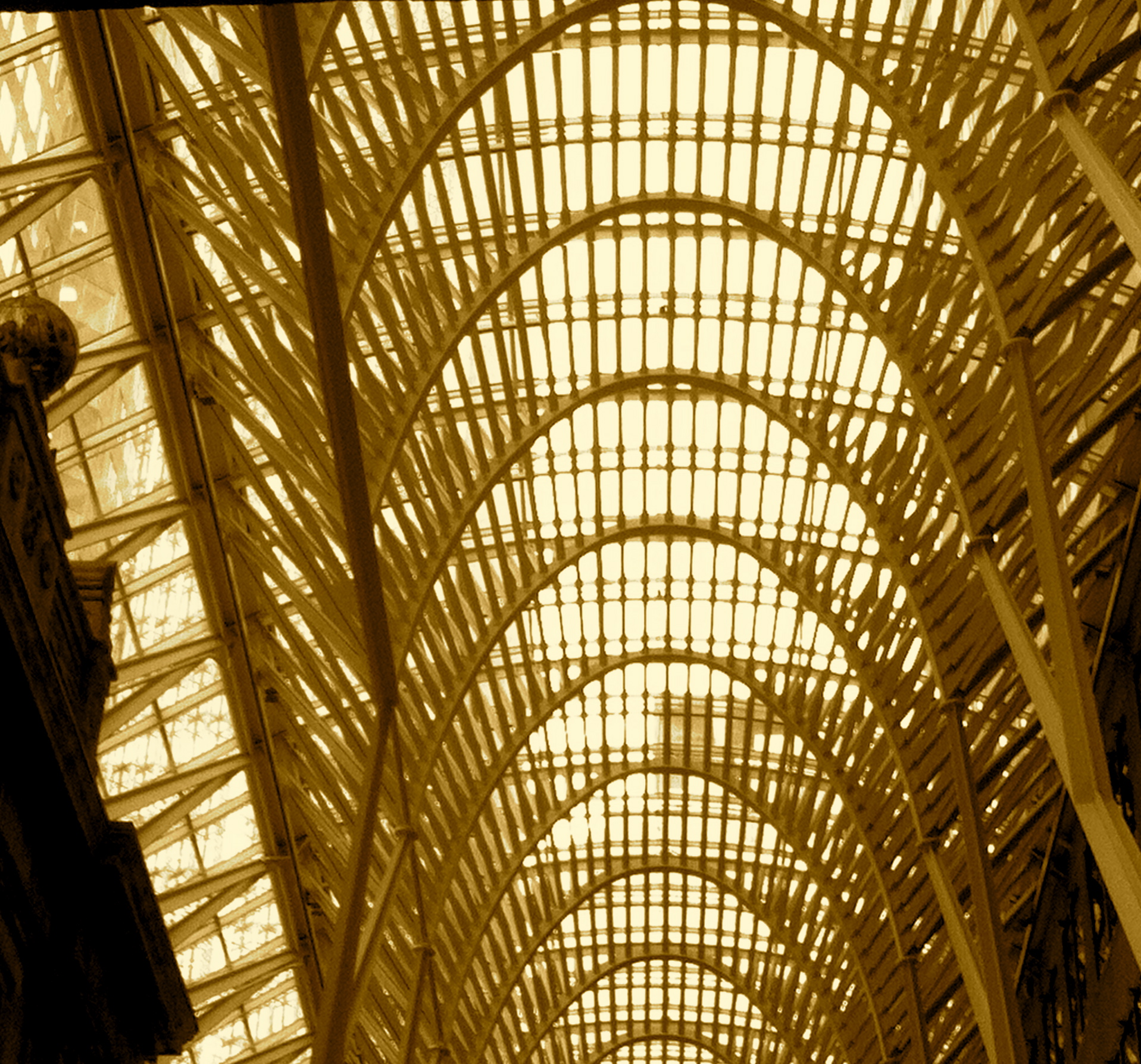
A veil is the mystery that comes before. Before the great flood of humanity moves below: Brookfield Place by Santiago Calatrava casts a veil over historic and modern office buildings, creating a monumental atrium in downtown Toronto.
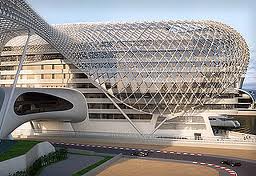
Particularly astute at combining seductive forms with astounding engineering, New York based-Asymptote Architects created a grid-shell exterior veil for the Bas Hotel, Dubai. It edges a Formula 1 racetrack.

Anybody recognize the bride? Her dress and the barely there veil of ivory silk tulle was designed by Alexander McQueen. Please note that the trim of hand-embroidered flowers was embroidered by the Royal School of Needlework. The veil is held in place by a Cartier ‘halo’ tiara, lent to Miss Middleton by The Queen…something new, something borrowed, something blue…
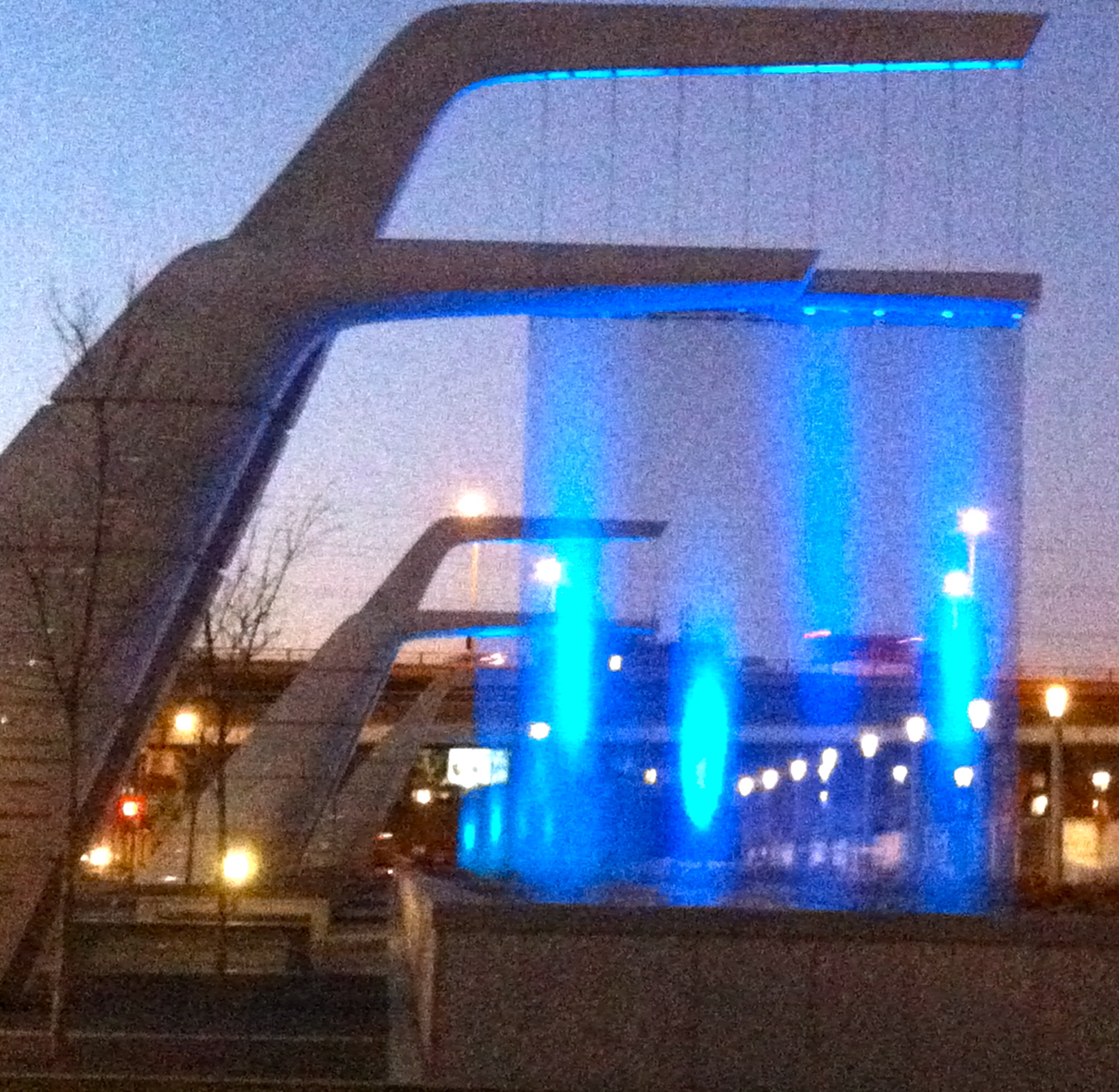
Blue Light Showers by public artist Jill Anholt. Water from Lake Ontario, purified by ultra-violet light, cascades down the mesh veil and into water channels at the newly opened Sherbourne Common on Toronto’s waterfront edge. Feeling blue? Go see this at night.
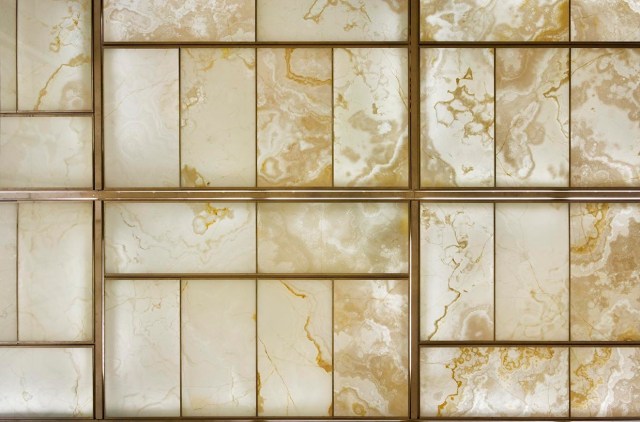
Onyx is a luminous marble that, when back lit, glows like a candle. There’s an entire galaxy ebbing and flowing in the golden and milky white onyx ceiling at the Multi-Faith Centre at the University of Toronto, where Sikhs and Muslims and Christians can worship in the same space. (Photo above and below by Tom Arban.)
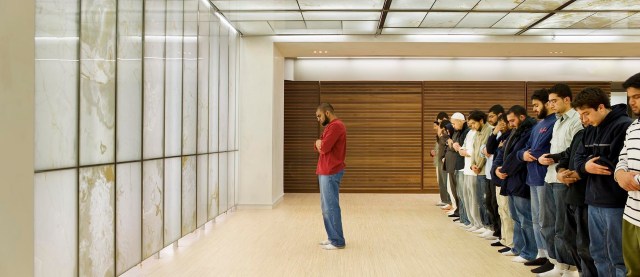
Poetically imagined by Moriyama & Teshima Architects, the design for the Multi-faith Centre is one of the first in North America. A pale onyx from an Italian quarry was selected as a means to express universality and spiritual tolerance. The ceiling onyx is recessed and back lit by tubes of light. The wall of onyx contains several tall cupboards where sweetgrass for aboriginal groups or sacred scrolls for Buddhists.

This is a highly minimal piece of modernism – it opened in 1963 – made remarkable by its large panes of onyx. Gordon Bunshaft of Skidmore Owings & Merrill designed the white onyx-clad Beinecke Rare Book and Manuscript Library at Yale University. The Vermont onyx has been cut so thin that light from the outside transfers powerfully to the inside. I’ve stood within this entirely enclosed space and felt as if the walls were on fire.
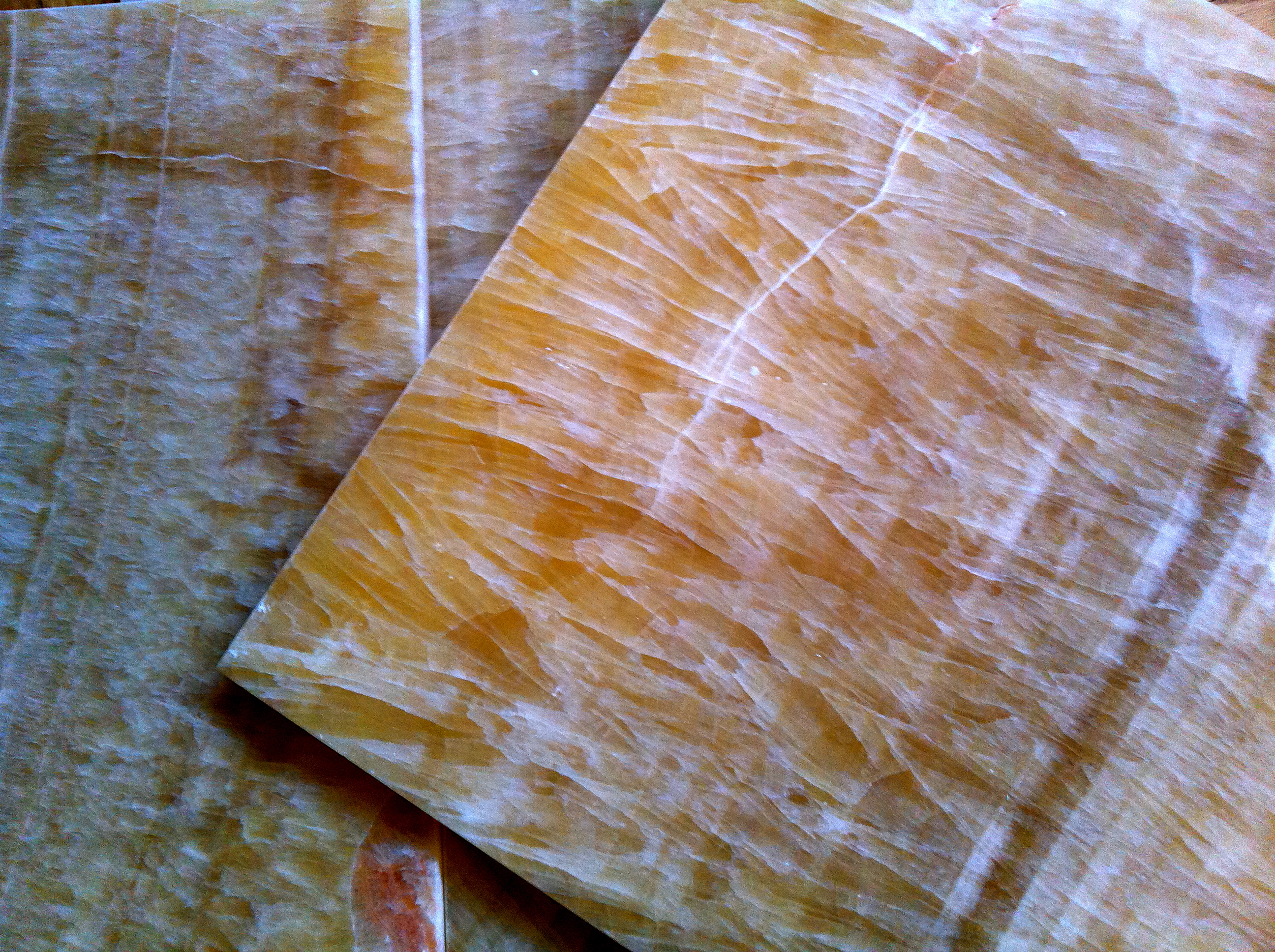
Inspired, I decided to use 12 X 12 inch onyx in the shower room and tiny tiles as a backsplash in the upstairs laundry room. The pattern of the veins running through the onyx is as complex as a honey comb but the wheat colour is ultra mellow. Luckily, several large tiles were left over after the work was complete and I decided to make wall lamps to hang outside.
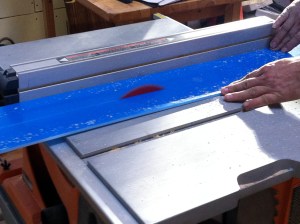
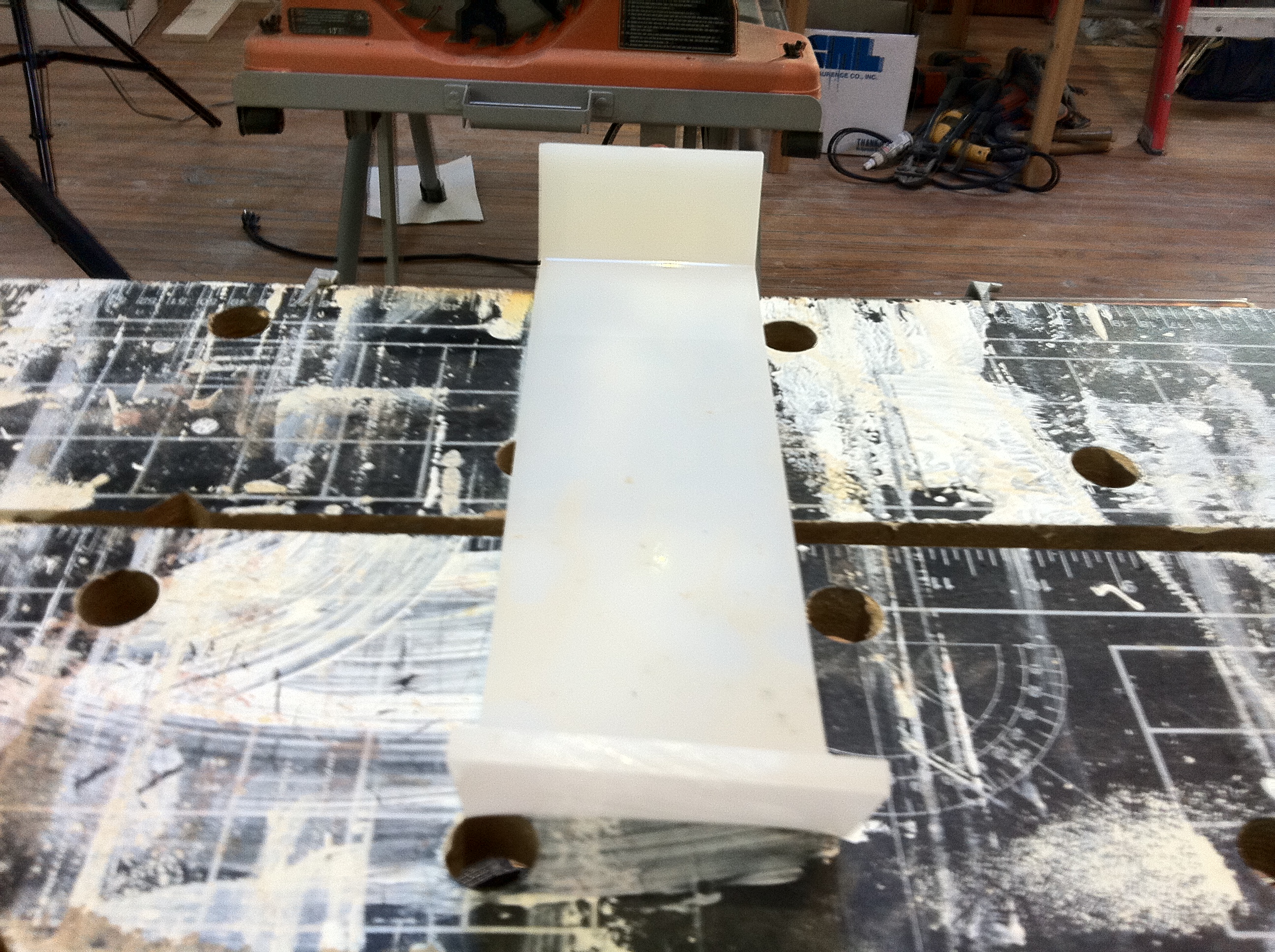


I designed the lights to feature two tiles stacked vertically on a box frame of white acrylic. My builder friend, George, agreed to help me with the construction. He cut long strips of the acrylic and then heated them slightly so as to create a gentle bend. (And, yup, we burned a couple strips a long the way…)
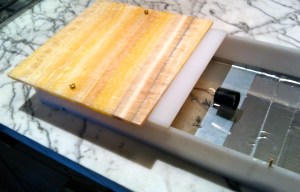
Reflecting tape was attached to the back of the box to spread out the glow. The tiles were pre-drilled and then secured to the acrylic with anodized aluminum bolts.
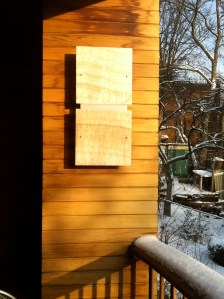
And then installed on the recessed cedar deck at the back of our house. So that’s my onxy light by day…
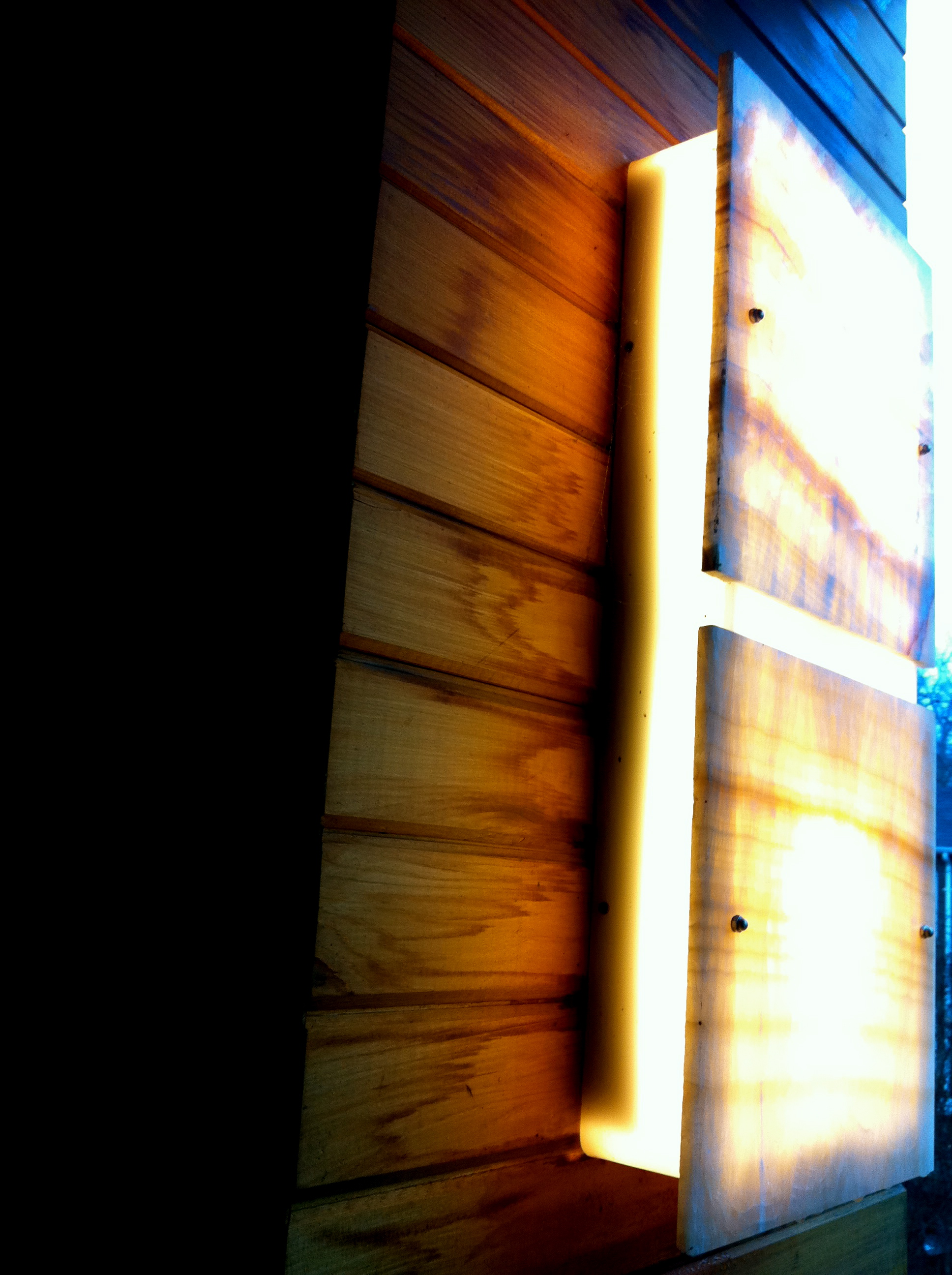
Can’t get enough of the onyx glow at night. The neighbours across our back yard say they like the glow, too.
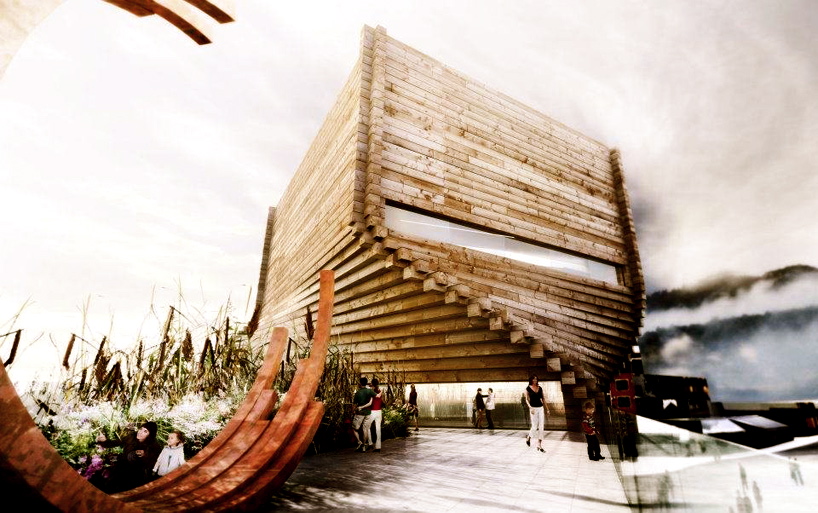
Heavy timber is making a come back, from way back. From underground mines to industrial warehouses to Canadian log cabins, timber is a legacy material stoked with memory. But, timber was stuck in its own architectural nostalgia. Thankfully, the cabin has recently been unlocked by Scandinavian architects. For their competition entry for the Kimball Art Center in Park City, UT, the powerhouse Danish firm Bjarke Ingels Group (BIG) ignores the straitjacket of convention to curve and contort timber as if it was plastic. Watch for new expressive architecture to land close to home: like other Scandinavians, BIG is debuting their design prowess in Canada – for towers in both Vancouver and Toronto.
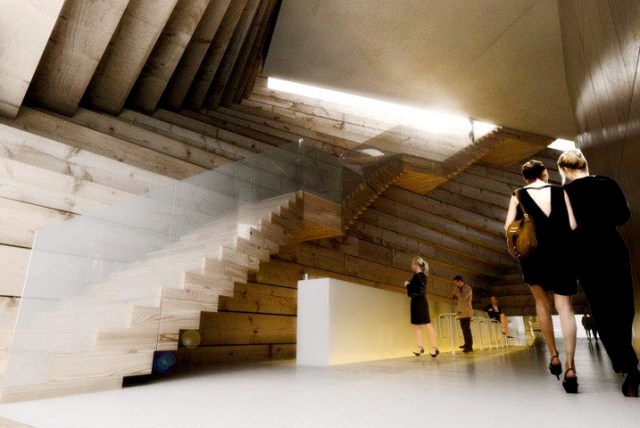
Proposed interior by BIG. Where the combination of timber and glass warms the coldest hearts.
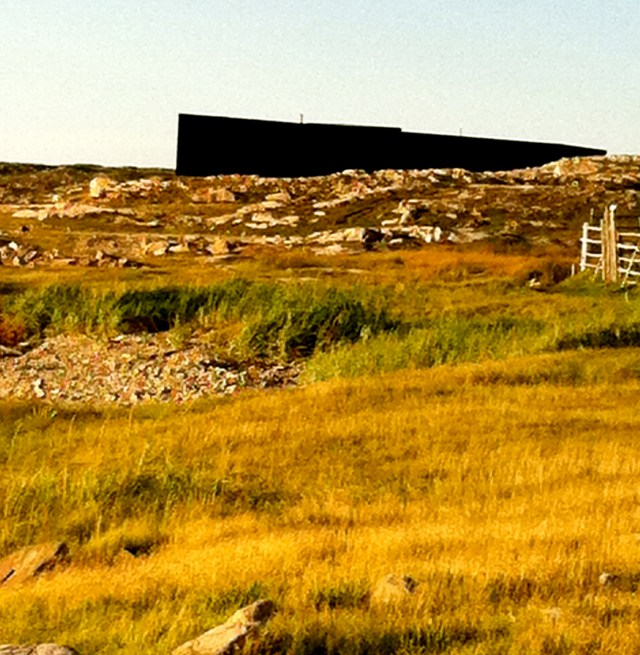
Norway-based for more than a decade, Canadian expat Todd Saunders treats architecture like monumental works of sculpture. Even in the remote and beautifully rugged Fogo Island – a seven hour drive north-east of St. John’s, Newfoundland, Saunders is designing exhilarating works in timber. Saunders grew up 100 kms away from Fogo Island in Gander, Nfld. so he speaks with an accent that is part Newfoundlander, part sing-song Norwegian. His architecture is of, and beyond, the land. When I visited Joe Batt’s Arm, Fogo Island, I encountered his Artist’s Studio this way: angled like the blade of a knife on the rocky landscape, with wild caribou trotting nearby, the wind beating back the grasses.
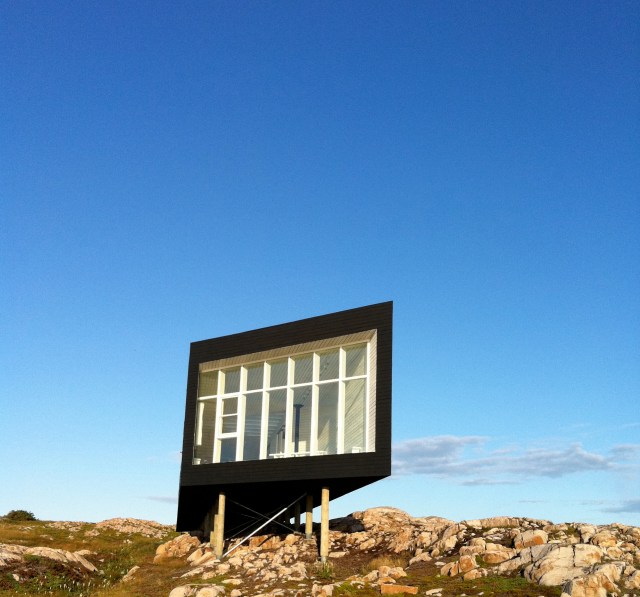
The Studio as well as a Writer’s Studio and a five-star Inn are all commissioned by the Shorefast Foundation and its tireless founder Zita Cobb, who hails from Joe Batt’s Arm. The revitalization of Fogo Island through art and architecture belongs to her, Todd Saunders and the locals who believe in their future, with or without cod.

Even on Queen Street West in downtown Toronto, dark, heavy timber defines Bannock, the latest restaurant to be launched by Oliver & Bonacini. The interior features pine and hemlock recovered from one of the Queen’s Wharfs submerged in Lake Ontario for the last century. I caught this picture today while a flurry of snow swirled all around and a red TTC streetcar trundled by.
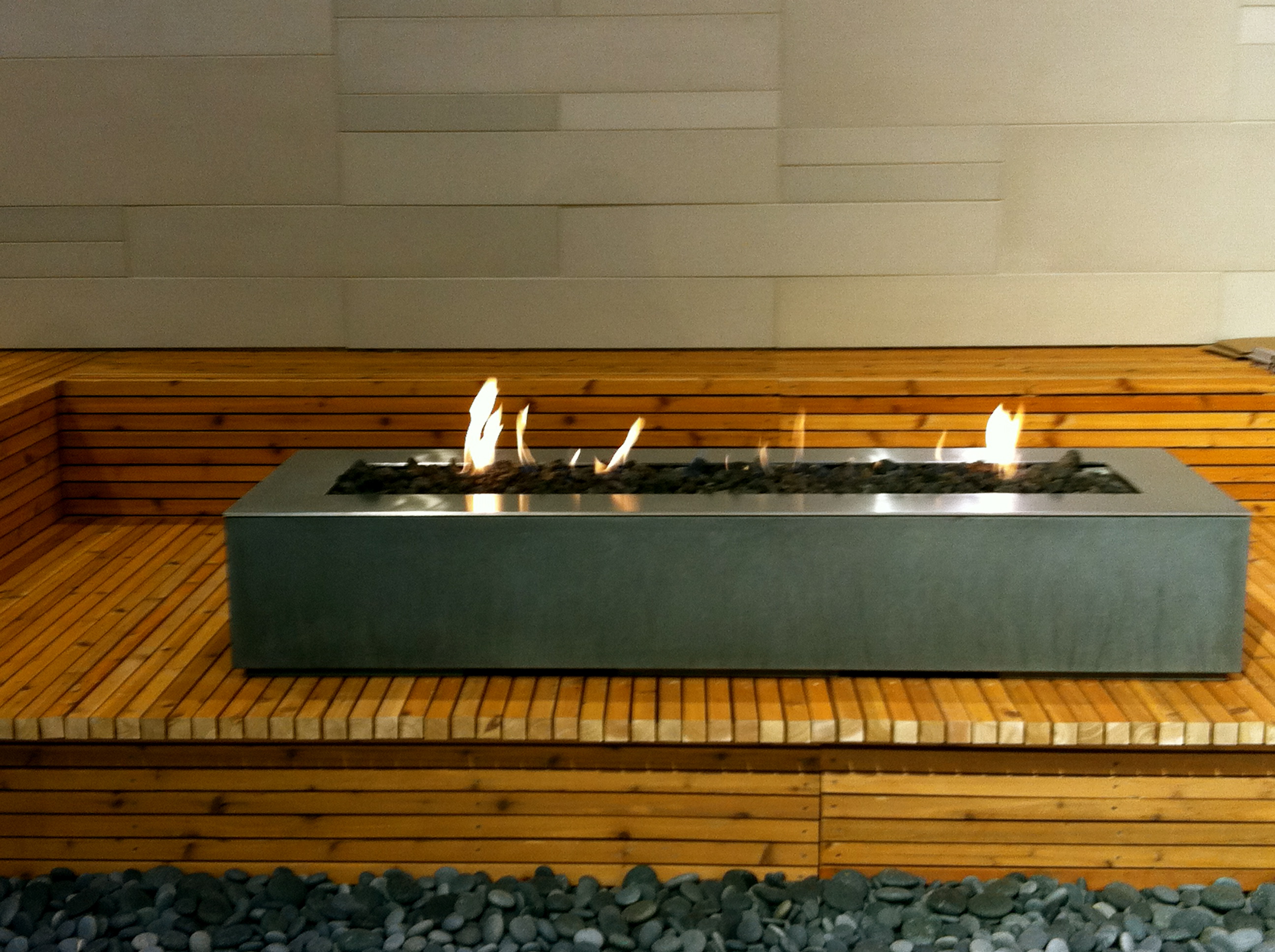
The recipe for bannock is easy…3 cups of flour, dash of salt, bigger dash of baking power, a few tbsp of butter and enough water to make it stick. What’s important is the twisting of the dough around a solid, dry stick so that it doesn’t slip from the wood. Leave it to roast on the stick over some hot coals, or a fire burning from something more minimal, like the stainless steel trough by Paloform – something that caught my eye today at the Interior Design Show. Wait until the dough has baked enough to slide easily from the stick. It’ll be golden, like cedar.
 chasing home